
Pellet Stoves Are Rare in Bloomingdale—But Not Unheard Of.
With only a handful of genuinely cold days a year and winter lows averaging 50°F, Bloomingdale homes rarely need a dedicated heat source. If you still want one, here's what actually makes sense—and who can install it.
Every Project Starts From One of These Five Situations
Bloomingdale's Mild Winters Rarely Call for Daily Heat.
Bloomingdale sits at just 61 feet of elevation in Hillsborough County's climate zone 2A—hot and humid, with only a handful of genuinely cold days a year. Compare that to a place like Duluth, Minnesota, which has a long, brutal winter with sustained sub-zero stretches that make a hopper-fed pellet stove a genuine daily workhorse. In Bloomingdale, the average winter low sits around 50°F, and most nights that dip into the 30s and 40s are brief cold snaps in January, not a heating season.
That's the honest reason pellet stoves are uncommon here: there's no sustained cold to justify the venting, hopper maintenance, and electrical draw a pellet appliance requires. Most Bloomingdale homes rely on Tampa Electric or Duke Energy Florida heat pumps for the handful of cool nights each year, and where homeowners want fireplace ambiance, gas and electric units are far more common. That said, a small number of Bloomingdale residents still install pellet stoves—usually in a sunroom for cool-evening ambiance, in a home office addition, or because they split time between here and a second property in a colder climate where pellets make more practical sense. If that's you, a local dealer can still get you set up correctly.
Three steps. No salesperson until you're ready.
Tell us about your project
Your zip code, your situation, and the fuel you're leaning toward—or let the answers point you to one.
See what's actually available
The brands dealers within 100 miles genuinely carry—real options, never a catalog mirage.
Get your dealer & Project Guide
A trusted local dealer, plus the free Project Guide & Parts List that names every component of the job.
Frequently Asked Questions
Does a pellet stove make sense for a Bloomingdale home?
For most homes, not as a primary heat source. With only a handful of genuinely cold days a year and winter lows averaging 50°F, Bloomingdale simply doesn't have the sustained cold that makes a pellet stove's daily hopper-and-auger routine worthwhile. The exceptions are homeowners who want supplemental warmth for the occasional January cold snap, ambiance in a sunroom or den, or a pellet appliance because they're already comfortable running one at a second property elsewhere. If that describes you, a local dealer can size a unit appropriately for occasional rather than daily use.
Why don't more homes in Bloomingdale have pellet stoves?
Two reasons: climate and infrastructure. Bloomingdale's zone 2A climate means most homes were built around electric heat pumps as the primary HVAC system, not solid-fuel backup heat, so there's rarely an existing chimney or hearth to retrofit. Combine that with a heating season that's measured in weeks rather than months, and the economics rarely favor pellet over simply running the heat pump on the rare cold night. Pellet stoves are far more common in homes with existing masonry fireplaces in the Southeast's upland or mountain regions, which Bloomingdale isn't.
If I still want a pellet stove installed, what's involved?
You'll need a dedicated 120V electrical outlet for the auger and blower motor, a straight vent run to the exterior (pellet stoves vent horizontally through a wall, unlike wood stoves), and a permit through Hillsborough County Building Services since Bloomingdale is unincorporated. Installed cost for a pellet stove typically runs $3,000 to $6,000 depending on the unit and venting distance—a local hearth dealer can give you a firm quote after seeing your space, since so few installs happen here that pricing isn't standardized the way it is in colder markets.
Where can I buy pellet fuel near Bloomingdale?
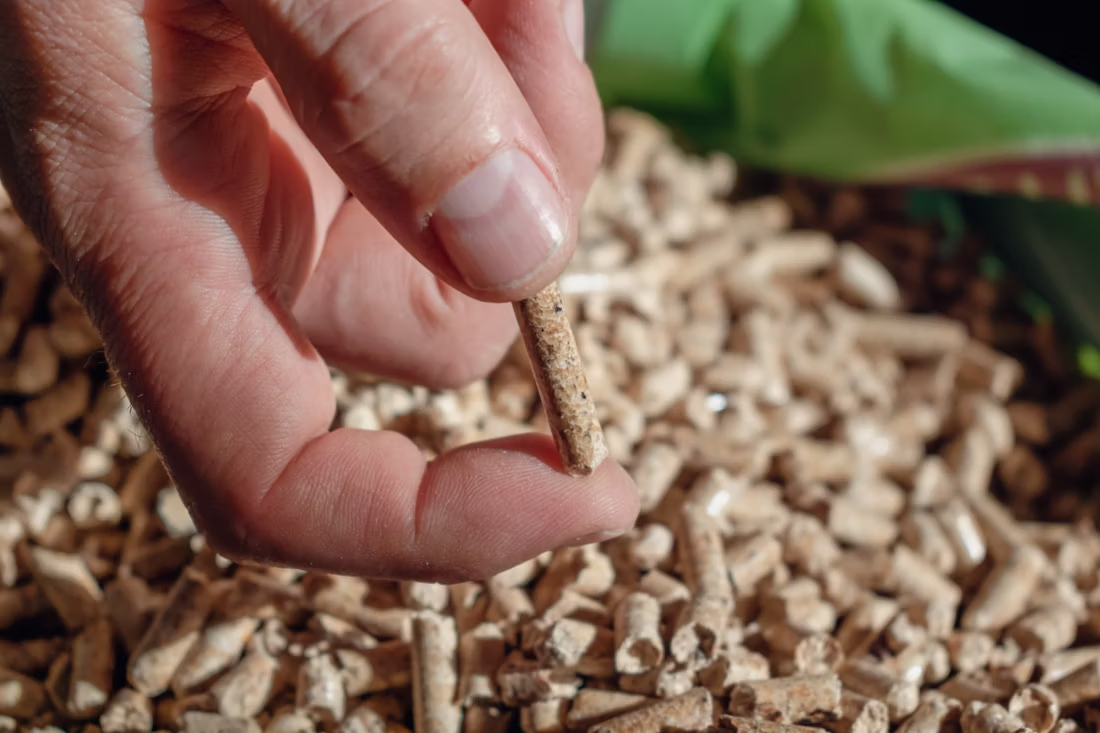
Regional brands like Lignetics, Hamer Pellet Fuel, and Greenway Renewable Energy show up at hardware stores and farm supply retailers across the Tampa Bay area, though stock is often driven more by grill and smoker demand than home heating. If you install a pellet stove, plan to buy bags in bulk when you see them in stock during fall, since Bloomingdale retailers don't carry the year-round pallet inventory you'd find in a place like Fargo, North Dakota, where pellet heat is mainstream.
Should I get a pellet stove or an electric fireplace instead?
For most Bloomingdale homeowners chasing ambiance rather than serious heat, an electric fireplace or insert is the simpler, more practical choice. It plugs into a standard outlet, needs no venting or fuel storage, and runs on Tampa Electric or Duke Energy Florida service at roughly 14.7 to 16.6 cents per kWh—a fraction of the maintenance a pellet appliance requires. Pellet stoves make sense only if you specifically want the look and feel of a real flame with some genuine heat output for a cool evening; electric covers the ambiance case with far less hassle here.
Is gas a better option than pellet for Bloomingdale?
For most homes, yes. Gas fireplaces and inserts are a standard, well-supported option in this area, typically run on propane since natural gas service is limited in unincorporated Hillsborough County, and deliver instant on-off heat without fuel storage or hopper maintenance. Pellet's main advantage—long, unattended burn times for sustained cold—just doesn't come into play in a climate with only a handful of genuinely cold days a year. If you want real heat output on demand for the rare cold night, gas is the more practical local choice.
Do I need a permit to install a pellet stove in Bloomingdale?
Yes. Because Bloomingdale is unincorporated, permitting runs through Hillsborough County Building Services rather than a city building department. You'll need sign-off on the venting installation and the electrical circuit for the unit. Given how infrequently pellet stoves get installed in this area, it's worth using a dealer who has pulled a Hillsborough County permit for one before, rather than a generalist contractor unfamiliar with pellet-specific venting clearances.
When does a pellet stove actually make sense in a place like Bloomingdale?
The clearest case is a homeowner who splits time between Bloomingdale and a colder second property—say, a cabin in the North Carolina mountains or further north—and wants the same equipment they already run elsewhere. The next most common case is a sunroom or converted garage used as a den, where the goal is visual warmth and a modest heat boost on a 40-degree evening, not whole-home heating. Outside of those situations, most local homeowners are better served by a gas or electric option.
Pellet stove vs. gas log set—which is right for occasional ambiance?
A gas log set, run on propane, gives you instant flame at the flip of a switch with zero fuel handling—ideal for the handful of cool Bloomingdale evenings each winter. A pellet stove requires keeping bagged fuel on hand, loading the hopper, and running the auger and blower, which is more effort than most local homeowners want for occasional use. Pellet only pulls ahead if you specifically want the visual and mechanical experience of a hopper-fed stove, or you already own one from a colder property. For pure convenience in this climate, gas is the easier answer.
Why is a fireplace insert so efficient?
An insert does two things: it seals the chimney completely, so you stop losing air you already paid to heat, and it radiates warmth into the room through the firebox and glass. Most add a heat-exchange fan that pulls cool room air underneath, wraps it around the hot firebox, and pushes it back out warm. Your home is more efficient before you've even lit the first fire.
What do I measure to size a fireplace insert?
Four numbers tell you what fits: the front width, the front height, the back width, and the overall depth of your existing fireplace opening. Grab a tape measure, jot those down, and snap a photo of the wall—those two things do more to move your project forward than anything else you can do today.
Does a fireplace add value to my home?
On average, a fireplace adds back to the home about the same amount you spent installing it. Add the monthly savings from heating the rooms you actually use instead of the whole house—often hundreds of dollars a year—and the value case is strong before you even count what a fire does for how your family uses the room.
How much should I budget for a fireplace?
For an average home—covering the fireplace, the vent pipe, and basic installation—a budget between $3,900 and $5,500 gives you a lot of options across wood, gas, and pellet. By the time you add finish work, gas line, and electrical, the average complete installation lands between $5,000 and $12,000 all-in. In a remodel or new build, a good rule is to put about 2.5% of the total project cost toward the fireplace.
Nearby Dealers
Hearth shops serving Bloomingdale and the surrounding area.
Pellet Brands Stocked Around Bloomingdale
Manufacturers will point you to the nearest stocking dealer.
Find your pellet fireplace in Bloomingdale.
Whether pellet is genuinely the right fit for your Bloomingdale home or you'd be better served by a gas or electric alternative, tell us about your project and we'll match you with a trusted local dealer and send over a free Project Guide & Parts List—the exact equipment, vent kit, and recommended installer for your situation.
Find Your Fireplace →