
Find your pellet stove in Austin County, Texas.
With winter lows averaging 42°F and only a short winter heating season each year, Austin County doesn't demand much from a heating appliance. If you still want a pellet stove—for ambiance, a rural property, or backup during a hard freeze—we'll match you with a dealer who can size and install it right.
Every Project Starts From One of These Five Situations
Pellet stoves are the exception here, not the rule.
Austin County sits along the US-90/I-10 corridor between Houston and San Antonio, with Bellville as the county seat and Sealy, San Felipe, and New Ulm rounding out the population of under 15,000. The climate is Zone 2A—hot and humid most of the year, with a short winter heating season. For comparison, a place like Duluth, MN has a long, brutal heating season nearly seven times as demanding; Austin County sees a small fraction of that. Winter lows average 42°F, and hard freezes are the exception rather than the season. That's simply not the climate pellet stoves were built for, and it's why you won't find many local dealers stocking them or many chimney sweeps who service them regularly.
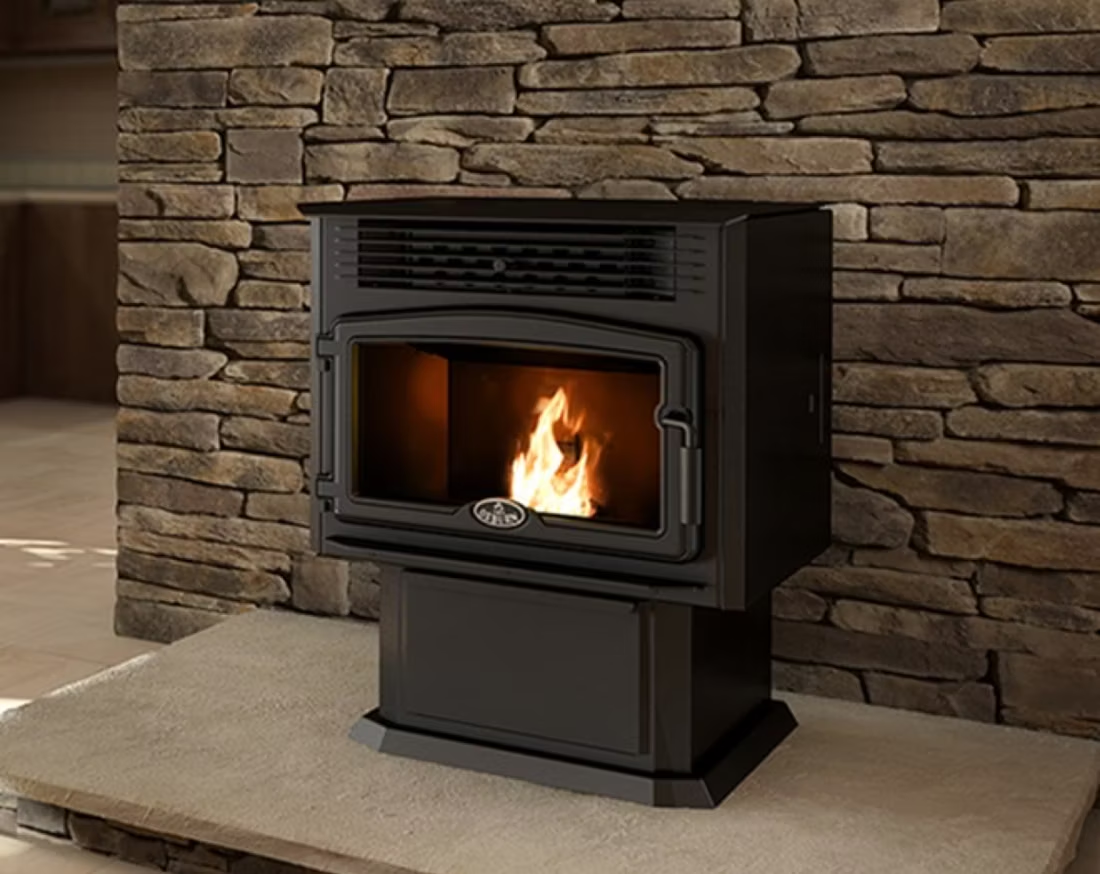
That doesn't mean nobody wants one. Some Austin County homeowners install a small pellet stove for the look and feel of a real fire without the mess of cordwood, especially in rural properties outside Bellville and Sealy where a wood-burning fireplace already exists but full-time wood heat doesn't make sense. Others remember Winter Storm Uri in February 2021, when the Texas grid failed statewide, and want some form of backup heat—though it's worth knowing upfront that pellet stoves run on electricity for the auger and blower, so they wouldn't have helped during that particular outage. Local wood species like oak, pecan, and mesquite are common here, but they mostly end up in backyard smokers rather than pellet mills—there's no regional pellet production, so any pellets burned locally are trucked in from brands like Forest Energy or Lignetics through regional farm and hardware suppliers.
Three steps. No salesperson until you're ready.
Tell us about your project
Your zip code, your situation, and the fuel you're leaning toward—or let the answers point you to one.
See what's actually available
The brands dealers within 100 miles genuinely carry—real options, never a catalog mirage.
Get your dealer & Project Guide
A trusted local dealer, plus the free Project Guide & Parts List that names every component of the job.
Frequently Asked Questions
Is a pellet stove a good fit for Austin County's climate?
Not really, and it's worth saying plainly. With winter lows averaging 42°F and only a short winter heating season each year, most Austin County homes need heat for a handful of weeks, not months. A pellet stove sized to run efficiently in a place like Buffalo, NY or Fargo, ND would be badly oversized for a Bellville or Sealy home, and it would sit unused for most of the year. If you want supplemental warmth and the look of a real flame on the occasional cold night, a smaller unit or a gas fireplace insert generally makes more practical sense—but if you specifically want pellet heat, a dealer can size a unit appropriately for light, occasional use rather than sustained winter output.
How much does a pellet stove installation cost in Austin County?
Because pellet stoves are installed infrequently in Austin County, there isn't a deep local pricing history to draw from, but typical installations across similar mild-climate markets in Texas run roughly $3,500 to $6,500, depending on the unit, whether venting needs to be run through an exterior wall, and whether an existing fireplace opening can be used. Dealers who cover Austin County often also serve the greater Houston or San Antonio markets, so expect a travel or scheduling consideration if you're out toward San Felipe or New Ulm.
Where can I find a pellet stove dealer near Austin County?
Because Austin County's population is under 15,000 and pellet heat is a niche request here, most dedicated pellet stove dealers and service techs are based in the Houston or San Antonio metro areas and travel into the county for installs. A handful of hearth and farm-supply retailers along the I-10 corridor carry pellet units and stock bags from regional brands like Forest Energy and Lignetics. Ask any dealer directly whether they regularly service Austin County—some will, but it's not a given the way it would be in a colder market.
Can I buy pellet fuel locally in Austin County, or does it need to be shipped in?
There's no pellet mill in Austin County, so any fuel you burn is trucked in from regional producers. Forest Energy and Lignetics both distribute into the broader Texas market and show up at farm and ranch supply stores and some hardware retailers near Bellville and Sealy, though selection is thinner than you'd find in a Northern state where pellet heat is standard. It's worth buying a season's supply when you see it in stock rather than assuming you can restock mid-winter, since demand—and therefore inventory—is low here.
Would a pellet stove have helped during a power outage like Winter Storm Uri?
No, and this is the most common misunderstanding we hear from Austin County homeowners considering one. Pellet stoves need electricity to run the hopper auger and combustion blower—no power, no fire, regardless of how much fuel you have on hand. During the February 2021 grid failure, homes with pellet stoves were in the same position as everyone else. If backup heat independent of the grid is your actual goal, a wood-burning stove or fireplace is the appliance that delivers that—pellet heat is really about convenience and clean burning, not off-grid resilience.
Is a wood stove a better option than a pellet stove for my Austin County home?
Wood heat is also uncommon here for the same climate reasons as pellet—with only a short winter heating season each year, sustained wood-burning demand just isn't part of daily life the way it is farther north. That said, some rural Austin County properties still burn oak, pecan, or mesquite in an existing fireplace for ambiance or occasional cool-evening use, and that setup doesn't require electricity the way a pellet stove does. If grid independence matters to you, wood edges out pellet. If convenience and clean burning matter more, pellet is easier to live with day to day. Either way, both are secondary heat sources here, not primary ones.
Would gas or electric make more sense than pellet for my home?
For most Austin County homes, yes. Natural gas and propane fireplaces are far more common locally, offer instant on-off convenience without any fuel hopper to load, and are considered standard equipment by area dealers—unlike pellet units. Small electric fireplaces are also widely available and require no venting at all, which suits a climate where the appliance is mostly running for a few cold nights a year rather than a full heating season. Pellet still has a place if you specifically want that fuel and burn style, but most homeowners in Bellville, Sealy, or San Felipe end up choosing gas or electric once they compare the options with a local dealer.
Do I need a permit to install a pellet stove in Austin County?
Most likely yes for anything involving new venting through an exterior wall or roof—check with your local building permit office, whether that's the county for unincorporated areas or the city permit desk in Bellville or Sealy if you're inside city limits. Because pellet installs are infrequent locally, it's worth confirming directly rather than assuming; a dealer who has actually pulled permits in the county before can usually walk you through exactly what's required and often handles the paperwork as part of the install.
Pellet stove vs. wood-burning fireplace—which fits Austin County better?
Both are niche choices in a climate this mild, so the decision comes down to what you actually want out of it. A pellet stove is cleaner, easier to load and control, and burns compressed fuel shipped in from producers like Forest Energy or Lignetics—but it needs electricity to run, which matters if you're thinking about storm backup. A wood-burning fireplace or stove can burn locally available oak, pecan, or mesquite, works with no power at all, and fits the rural, self-sufficient character of much of the county outside Bellville—but it demands more hands-on tending for what amounts to a handful of cold nights a year. Neither is a primary heating strategy here; both are about ambiance, backup, or personal preference.
Can a pellet stove heat a whole house?
It genuinely can. I burned a pellet stove as my only heat source for years after a furnace died, and it kept the entire house warm. Pellets feed automatically from a hopper, so you get wood-heat economics with thermostat-style control. Two honest caveats: it needs weekly cleaning during the season, and most models need electricity to run—ask about battery backup if outages are a concern.
What do I measure to size a fireplace insert?
Four numbers tell you what fits: the front width, the front height, the back width, and the overall depth of your existing fireplace opening. Grab a tape measure, jot those down, and snap a photo of the wall—those two things do more to move your project forward than anything else you can do today.
Can I install a fireplace myself?
If you're putting a fire in your house on purpose, it's best to work with an expert. Unless you're genuinely experienced in framing, gas line, vent pipe, and the national code on clearances to combustibles, have a professional do it—and ideally the same company that sells you the fireplace, so warranty, service, and liability all live under one roof.
What is an in-home preview and do I need one?
It's a visit where a hearth professional measures your space, confirms the model you picked actually works in your home, and walks the specs—framing, gas line, venting, finish work—before anything is ordered. Some details you just can't know until you see the house. Never make a down payment without one; it's the single most-skipped step that burns buyers.
Stove and Fireplace Dealers in Austin County
Listings include WhyFire partner dealers, dealers we have verified as authorized for the brands we recommend, and established local businesses that carry hearth products. Every listing shows which one it is. The ones marked Preferred run on WhyFire's software, so they can show you real pricing and book your appointment right here. No manufacturer pays for placement. How we verify dealers →
Patio 1
All Thingz U Need Inc
Pellet Brands Stocked Around Austin County
Manufacturers will point you to the nearest stocking dealer.
Find your pellet stove in Austin County.
Tell us about your home and how you'd actually use a pellet stove, and we'll match you with a trusted local dealer and send over a free Project Guide & Parts List—sized correctly for Austin County's mild winters, with the vent kit and parts spelled out.
Find Your Fireplace →