
Keep Your Family Warm and Safe—No Matter What
With winter lows averaging 36°F, most Florence homes don't need wood as a primary heat source—but plenty of homeowners still want the look and feel of a real fire. Here's how to do it right, and connect with a local dealer who can install it properly.
Every Project Starts From One of These Five Situations
Wood heat is optional here—and that's fine.
Florence sits in climate zone 3A at just 124 feet of elevation, with a short, mild heating season and winter lows that average 36°F. Compare that to a place like Duluth, MN, where the heating season is far longer and colder and single-digit nights are routine all winter—Florence simply doesn't have the sustained cold that makes wood heat a necessity. A wood stove here is rarely anyone's primary or even backup heat source; the electric grid and mild winters make that unnecessary for most households.
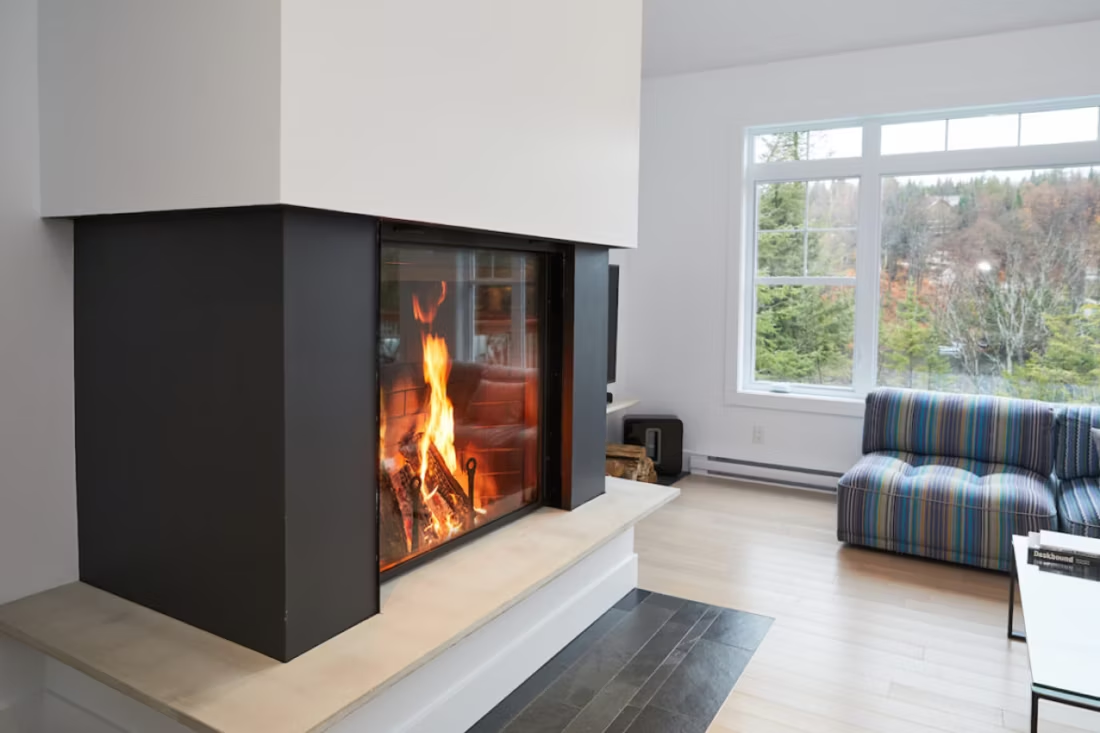
That said, plenty of Florence homeowners still install a wood-burning fireplace or insert for the atmosphere of a real fire on the occasional cold front, for a den or sunroom that doesn't get central heat, or simply because they grew up with one. Local oak, pine, and hickory are all readily available from area firewood sellers, and a trusted local dealer can size a small-to-medium unit that suits occasional use rather than all-winter burning. If you're set on wood, a properly installed unit with correct clearances and venting is still worth doing right—just don't expect it to carry your heating bill the way it would in a colder state.
Three steps. No salesperson until you're ready.
Tell us about your project
Your zip code, your situation, and the fuel you're leaning toward—or let the answers point you to one.
See what's actually available
The brands dealers within 100 miles genuinely carry—real options, never a catalog mirage.
Get your dealer & Project Guide
A trusted local dealer, plus the free Project Guide & Parts List that names every component of the job.
Frequently Asked Questions
Do people actually use wood stoves in Florence, SC?
Some do, but it's a minority use case compared to colder parts of the country. With winter lows averaging 36°F and a short, mild heating season overall, Florence homes generally rely on electric heat pumps or central HVAC through Duke Energy Progress or Pee Dee Electric. A wood stove or fireplace here tends to be installed for ambiance, for heating a detached room like a sunroom or den, or for the handful of nights each winter when temperatures drop into the 20s. It's a supplemental or occasional-use appliance, not primary heat, for almost everyone in the Pee Dee region.
How much does a wood stove or fireplace installation cost in Florence?
Installation costs in Florence tend to run on the lower-to-middle end of national ranges, typically $3,500 to $7,000 for a freestanding stove or insert, since most projects here are smaller units without the heavy-duty, all-season venting and clearance work required in colder climates. Costs shift with whether you have an existing masonry chimney (an insert is usually cheaper) or need new Class A pipe and a hearth pad for a freestanding stove in a room without one. A local hearth dealer can give you a firm number after seeing your space.
What wood species are available locally for burning?
Oak, pine, and hickory are the most common species available around Florence and the Pee Dee. Oak and hickory are dense hardwoods that burn hot and long, making them the better choice if you actually want heat output from occasional use. Pine is plentiful and easy to source locally but burns faster and produces more resin buildup, so it's better suited to kindling or shorter evening fires rather than the workhorse wood in your stack. Seasoned wood (dried at least 6-12 months) matters more in a place like Florence, where humidity is high and green wood won't season as quickly as it would in a drier climate.
Do I need a permit to install a wood stove in Florence?
Yes—the City of Florence Building Department or Florence County Building Codes office (depending on your address) requires a building permit for a new wood-burning appliance installation, covering the unit, venting, and hearth clearances. There's no county-wide air quality non-attainment issue here, unlike some western cities, so you won't run into burn curtailment days. Most local hearth retailers who sell and install wood stoves will pull the permit as part of the job, so it's rarely something you have to manage yourself.
Is a wood stove or fireplace worth it if I rarely need extra heat?
It depends on what you're after. If you want a genuine reduction in your electric bill, the math is tough in Florence—with such a short, mild heating season overall, you simply won't burn enough wood often enough to offset a meaningful chunk of your Duke Energy Progress or Pee Dee Electric usage. But if the goal is ambiance, a focal point for a living room, or backup heat for the rare ice storm that knocks out power, a wood stove or fireplace insert still makes sense—you just shouldn't expect it to function as your main heating strategy the way it would in a colder region.
What size wood stove do I need for a Florence home?
Most Florence installations lean toward small-to-medium stoves rated for spaces under 1,500 square feet, since the goal is usually occasional supplemental heat or a single room rather than whole-home heating. Going smaller than you'd guess is often the right call here—an oversized stove in a mild climate like this one gets run at low, smoldering burns most of the time to avoid overheating the room, which builds creosote faster and shortens the life of the unit. A local dealer can size the right unit for your square footage during an in-home visit.
How often does a wood-burning fireplace need chimney service in a mild climate like Florence?
Even with light seasonal use, the Chimney Safety Institute of America recommends an annual inspection, and Florence is no exception—humidity here can actually accelerate certain types of chimney deterioration, including mortar and flue liner wear, even when burn frequency is low. If you're only burning a handful of times each winter, you may not need a full sweep every year, but skipping inspections entirely is how small issues like creosote glazing or animal nesting go unnoticed until they become expensive.
Wood stove vs. gas fireplace—which makes more sense in Florence?
Given how mild Florence winters are, gas has a real edge for most homeowners: it lights instantly, requires no wood storage or ash cleanup, and works well as an occasional-use amenity in a den or living room without the ongoing maintenance a wood-burning chimney needs. Wood still wins if you want the authentic look and smell of a real fire, have access to affordable local oak or hickory, or want a heat source that doesn't depend on electricity or gas service during a storm. Many Florence homeowners choose gas for convenience and reserve wood-burning setups for vacation properties or family land elsewhere in the Carolinas where winters run colder.
Where can I buy firewood in Florence?
Local firewood sellers throughout Florence County typically sell seasoned oak, pine, and hickory by the truckload or half-cord, with prices generally running $150 to $250 per cord depending on species and delivery distance. Because Florence's humidity slows down seasoning compared to drier climates, ask any seller how long the wood has been split and stacked—wood cut just a few months prior may still be too wet to burn cleanly. Buying a season ahead and stacking it yourself in a covered, ventilated spot is the more reliable route if you want dry wood by the time cold weather arrives.
Why is my open fireplace making my house colder?
Open fireplaces suck—literally. As the fire burns, it consumes air your furnace already paid to heat and pulls it out through the chimney, so the house is actually colder after the fire goes out than before you lit it. An insert fixes this: it seals the chimney, puts fixed glass across the front, and turns that hole in your house into a real heat source.
Why won't my new wood stove get going like my old one?
New wood stoves are 70%+ efficient, so far less heat goes up the flue—which also means less draft to get a fire established. The rule: build a genuinely hot fire for about 45 minutes before you choke it down. Skip that and you get smoke in the room, creosote in the chimney, and a fire that never takes off. Most performance complaints trace straight back to this.
Can I install a fireplace myself?
If you're putting a fire in your house on purpose, it's best to work with an expert. Unless you're genuinely experienced in framing, gas line, vent pipe, and the national code on clearances to combustibles, have a professional do it—and ideally the same company that sells you the fireplace, so warranty, service, and liability all live under one roof.
What is an in-home preview and do I need one?
It's a visit where a hearth professional measures your space, confirms the model you picked actually works in your home, and walks the specs—framing, gas line, venting, finish work—before anything is ordered. Some details you just can't know until you see the house. Never make a down payment without one; it's the single most-skipped step that burns buyers.
Nearby Dealers
Hearth shops serving Florence and the surrounding area.
Find your wood fireplace in Florence.
Tell us about your space and how you plan to use it, and we'll match you with a trusted local dealer and send over a free Project Guide & Parts List—sized right for occasional Florence use, not a colder climate's stove.
Find Your Fireplace →