
Not the Default Heat in Troy—But Right for Some Homes.
Troy runs mostly on natural gas and electric heat, but pellet stoves still make sense for backup warmth, detached garages, and homes outside the urban core. Find out if one fits yours, and connect with a trusted local dealer.
Every Project Starts From One of These Five Situations
A supplemental option in a gas-and-electric city.
Troy sits along the Hudson River in Rensselaer County, a dense grid of 19th-century brick rowhouses and worker cottages built when coal and later natural gas became the default heat source. At 246 feet elevation with a climate zone of 5A, winters here are genuinely cold—average lows around 17°F and a long, demanding heating season, on par with Burlington, Vermont, just up the interstate. But unlike more rural stretches of the Northeast, most Troy homes already have natural gas service or electric baseboard through Niagara Mohawk, and the tight lot lines and shared walls of downtown housing stock leave little room for the venting and pellet storage a stove needs.
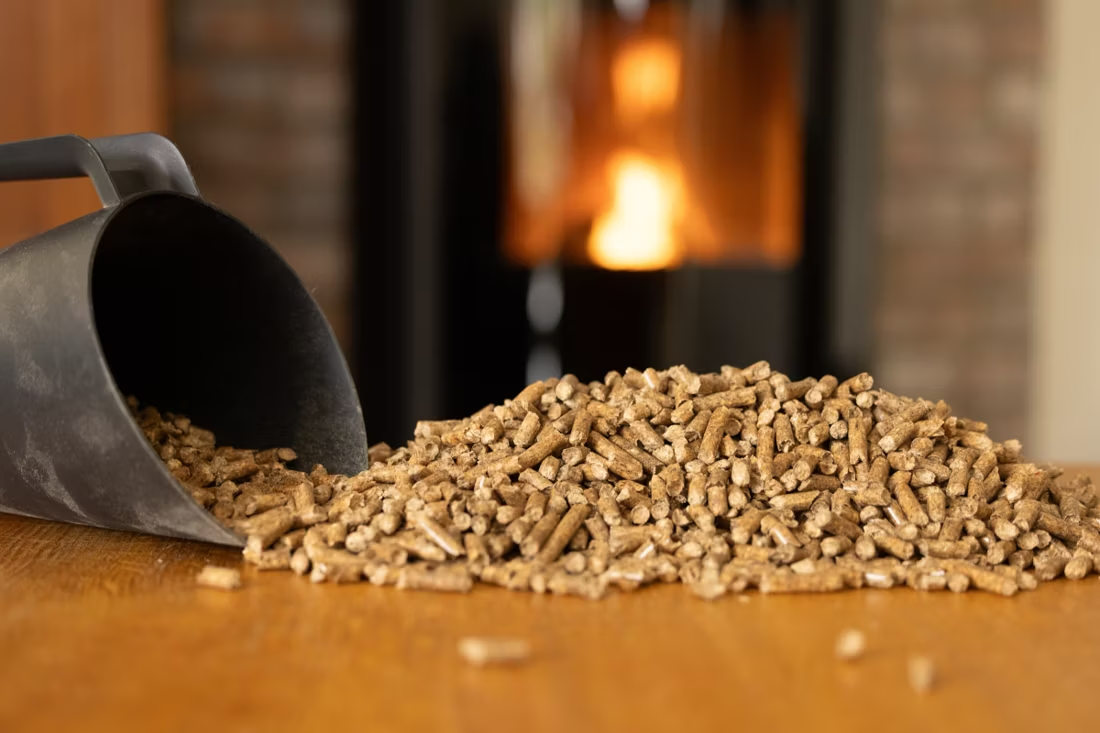
That's why pellet stoves show up more as a secondary or backup heat source here than a primary system—in detached houses in Lansingburgh or Brunswick, in garages and workshops, or as insurance against the ice storms that occasionally take down power lines along the Hudson. When homeowners do go this route, they're usually sourcing bagged pellets from regional mills like Energex, Hamer Pellet Fuel, or Greene Team Pellet Fuel rather than cutting their own firewood—the nearest public cutting permits are through the Green Mountain & Finger Lakes National Forest, a considerable drive from the Capital Region.
Three steps. No salesperson until you're ready.
Tell us about your project
Your zip code, your situation, and the fuel you're leaning toward—or let the answers point you to one.
See what's actually available
The brands dealers within 100 miles genuinely carry—real options, never a catalog mirage.
Get your dealer & Project Guide
A trusted local dealer, plus the free Project Guide & Parts List that names every component of the job.
Frequently Asked Questions
How much does a pellet stove installation cost in Troy?
Pellet stove installations typically run $3,000 to $6,000 nationally, and Troy tends to land in that range—a freestanding stove with a simple through-wall vent kit costs less than a pellet insert going into an existing masonry fireplace, which needs a liner and hearth adaptation. Because pellet heat isn't the default system in most Troy homes, pricing depends heavily on whether you already have a usable hearth or you're starting from a bare wall. A local dealer will give you a firm number after seeing your space, but expect the venting kit and any electrical work for the auger and blower to be a meaningful share of the bid.
Are pellet stoves actually common in Troy?
Not especially—and it's worth saying plainly. Most homes in Troy's urban core rely on natural gas or electric baseboard through Niagara Mohawk, and the row house and duplex housing stock that makes up much of downtown Troy and South Troy doesn't lend itself to standalone pellet appliances the way a detached home in Brunswick or North Greenbush does. Pellet stoves here tend to be a deliberate secondary choice—for a finished basement, a garage workshop, or backup heat during the ice storms that periodically knock out power along the Hudson—rather than a primary heating system.
Where do I buy pellets locally, and what does it cost?
You won't find Forest Service cutting permits for pellets the way you would for firewood—pellets come bagged from regional mills. Energex, Hamer Pellet Fuel, and Greene Team Pellet Fuel all supply the broader Capital Region and are commonly stocked at hardware stores and hearth dealers around Troy. Premium hardwood pellets typically run in the $250-$300 per ton range across the Northeast, and a stove used for supplemental heat through a long, cold Troy winter might burn through one to two tons in a season, more if it's your primary heat for a room.
What permits do I need to install a pellet stove in Troy?
Pellet stove installations in Troy require a building permit through the City of Troy Building Department, and homes outside city limits fall under Rensselaer County's jurisdiction. Because pellet appliances vent through a wall or roof rather than a full masonry chimney, the inspection mostly covers clearances, the vent termination point, and the electrical circuit for the stove's auger and blower—it's a simpler review than a wood-burning chimney installation. A local dealer who regularly works in Troy will typically pull the permit as part of the install.
Pellet stove or gas fireplace—which makes more sense for a Troy home?
For most Troy homes, gas wins on convenience: natural gas service is already standard through much of the city, and a direct-vent gas fireplace or insert gives you instant heat with no fuel to store. Pellet stoves make more sense when you specifically want a hedge against outages—many pellet units can run on a small battery backup—or when you're heating a detached space like a garage or a home without gas service nearby. Given how common natural gas already is in Troy's housing stock, pellet is usually the secondary system, not the primary one.
Will a pellet stove keep working during a power outage?
Only with backup power. Pellet stoves rely on an electric auger to feed fuel and a blower to circulate heat, so a standard unit shuts down the moment Niagara Mohawk power drops—which matters in a river city that sees its share of ice storms and downed lines in winter. Some models accept a small battery backup or inverter setup that can run the stove for several hours on a single charge. If outage resilience is the main reason you're considering pellet heat, ask your local dealer specifically about battery-backup compatibility before you buy.
What size pellet stove do I need for a Troy home?
With a long, cold winter season and average winter lows near 17°F, Troy sits solidly in cold-climate territory—similar to Burlington, Vermont, just across the state line. A pellet stove used for full-room or full-floor heat in an older, less-insulated Troy home generally needs to be sized toward the upper end of the manufacturer's square footage rating, since drafty windows and uninsulated brick walls common in the city's older housing stock pull heat out faster than a comparable newer build. For supplemental heat in a single room or finished basement, a smaller unit is usually plenty.
How much maintenance does a pellet stove need?
More frequent but lower-effort than wood: the ash pan and burn pot typically need emptying every few days of regular use, the glass needs periodic cleaning, and most manufacturers call for a full professional service once a year, including the auger, blower motor, and venting. Because pellet stoves are less common in Troy than gas or electric systems, it's worth confirming your dealer or a local hearth service technician actually services pellet units before you buy—not every fireplace shop in the Capital Region specializes in them.
Is a pellet insert a good option for an old Troy fireplace?
It can be, with caveats. Many of Troy's 19th-century homes have decorative masonry fireplaces that were never built for heavy heating use, and a pellet insert can bring real BTU output to a fireplace that currently does little more than look nice. But pellet inserts vent differently than wood or gas—they typically run a smaller-diameter vent pipe up through the existing flue rather than using it as-is—so an older chimney needs to be inspected and often relined first. A local installer familiar with Troy's older housing stock can tell you quickly whether your specific fireplace is a good candidate.
Why is my open fireplace making my house colder?
Open fireplaces suck—literally. As the fire burns, it consumes air your furnace already paid to heat and pulls it out through the chimney, so the house is actually colder after the fire goes out than before you lit it. An insert fixes this: it seals the chimney, puts fixed glass across the front, and turns that hole in your house into a real heat source.
What's the difference between an insert and a zero-clearance fireplace?
An insert is a fireplace that slides into a pre-existing wood-burning fireplace—if you don't have one, there's nothing to insert it into. A zero-clearance fireplace is built into a framed wall, which makes it the answer for remodels and new construction. Simple test: existing masonry fireplace means insert; blank or framed wall means zero-clearance.
Does a fireplace add value to my home?
On average, a fireplace adds back to the home about the same amount you spent installing it. Add the monthly savings from heating the rooms you actually use instead of the whole house—often hundreds of dollars a year—and the value case is strong before you even count what a fire does for how your family uses the room.
What is an in-home preview and do I need one?
It's a visit where a hearth professional measures your space, confirms the model you picked actually works in your home, and walks the specs—framing, gas line, venting, finish work—before anything is ordered. Some details you just can't know until you see the house. Never make a down payment without one; it's the single most-skipped step that burns buyers.
Preferred Dealers in Troy
Pellet Brands Stocked Around Troy
Manufacturers will point you to the nearest stocking dealer.
Find your pellet stove in Troy.
Tell us about your home and how you plan to use pellet heat—primary, backup, or a detached space—and we'll match you with a trusted local dealer and send over a free Project Guide & Parts List with the exact parts, including the vent kit, for your Troy project.
Find Your Fireplace →