
Reliable, Low-Fuss Heat for Pulaski County Winters.
From Waynesville to St. Robert and the neighborhoods around Fort Leonard Wood, pellet stoves give Pulaski County homeowners thermostat-like control without a woodpile. Find the right unit and connect with a trusted local dealer.
Every Project Starts From One of These Five Situations
Automated warmth for Ozark Plateau winters.
Pulaski County sits on the Ozark Plateau in south-central Missouri, home to about 30,556 residents, the county seat of Waynesville, the city of St. Robert, and the sprawling Fort Leonard Wood installation. Winters here are moderate by national standards—an average low near 22 degrees and a winter heating load that's only a fraction of what a place like Duluth, MN or International Falls, MN sees in a typical season. That milder profile means homeowners aren't fighting for survival heat every night, but they still want dependable warmth through the county's cold snaps and ice storms, and increasingly they're choosing pellet appliances over splitting and stacking cordwood from the oak, hickory, walnut, and maple that dominate local woodlots.
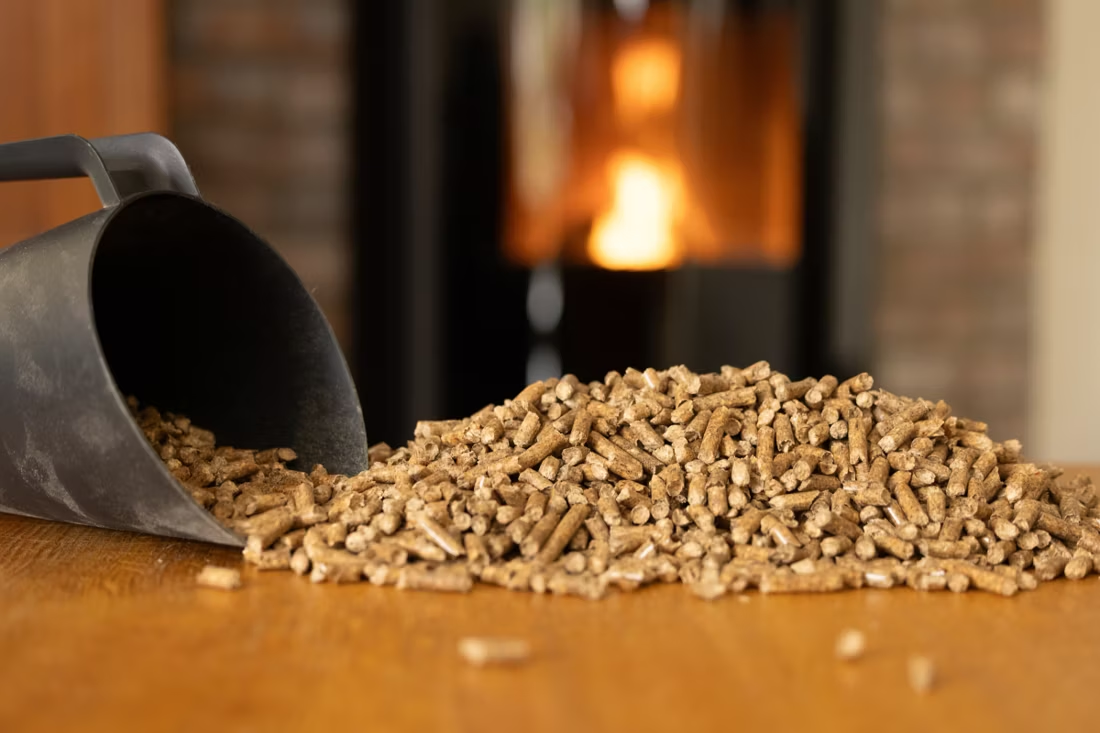
Pulaski County has no air quality non-attainment designations or winter burn curtailments, so the appeal of pellet heat here isn't regulatory—it's practical. A pellet stove loads from a bag instead of a woodpile, holds a steady burn for 24 hours or more on a full hopper, and produces a fraction of the ash of a cordwood fire. That convenience matters in a county with a high share of renters and frequently-relocating military families near Fort Leonard Wood, and it matters for homeowners in town who want real heat without chimney maintenance. Regional suppliers including Lignetics and Indeck Energy Services keep hardwood and softwood pellet fuel in reasonable supply through area dealers and farm stores, so fuel access isn't the obstacle it can be in more remote counties.
Three steps. No salesperson until you're ready.
Tell us about your project
Your zip code, your situation, and the fuel you're leaning toward—or let the answers point you to one.
See what's actually available
The brands dealers within 100 miles genuinely carry—real options, never a catalog mirage.
Get your dealer & Project Guide
A trusted local dealer, plus the free Project Guide & Parts List that names every component of the job.
Frequently Asked Questions
How much does a pellet stove installation cost in Pulaski County?
Most pellet stove installations in Pulaski County land in the range of roughly $3,000 to $6,500, depending on the stove model, whether the vent run is a simple through-wall PL vent or a longer horizontal-then-vertical run, and whether a hearth pad or dedicated electrical outlet needs to be added for the hopper motor and igniter. Pellet installs are typically less expensive than a comparable wood stove project because they don't require a full masonry chimney or Class A pipe—a local dealer can walk your specific wall or floor plan and give you a firm number.
What size pellet stove do I need for my home?
Sizing depends on square footage, insulation quality, and whether the stove is meant to carry the whole house or just supplement central heat. Given Pulaski County's moderate climate profile—average lows around 22 degrees rather than the deep-negative nights of a northern Plains winter—many homes here do well with a mid-size unit rated for 1,200 to 2,000 square feet, even in older, less-insulated farmhouses common outside Waynesville and St. Robert. Newer, tighter-built homes near the Fort Leonard Wood housing areas often need less output than the square footage alone would suggest. A local dealer can size the unit properly during an in-home visit rather than relying on a generic chart.
Pellet stove vs. wood stove—which makes more sense in Pulaski County?
Wood heat has deep roots here, with plenty of oak, hickory, walnut, and maple available locally for cutting or purchase, and a wood stove keeps working through a power outage—an advantage during the ice storms that periodically hit the Ozarks. Pellet stoves trade that off for convenience: no splitting, no daily loading, a cleaner glass, and more even heat output, but they need electricity to run the auger, igniter, and combustion blower, so a standard unit goes dark in an outage unless it's paired with a battery backup. For a primary residence in town where reliable power is the norm, pellet is often the easier day-to-day choice; for a rural property that loses power more often, a wood stove or a pellet stove with battery backup are both worth discussing with a dealer.
Where can I buy wood pellets in Pulaski County?
Regional brands including Lignetics and Indeck Energy Services supply pellets to hearth dealers and farm and hardware stores throughout the area, and most homeowners buy by the 40-pound bag or the full pallet (roughly a ton) ahead of the winter season for the best pricing. Buying a season's supply early—before the first cold snap hits Waynesville and St. Robert—typically means better availability and avoids the scramble that can happen when demand spikes during an early winter storm.
Do I need a permit to install a pellet stove in Pulaski County?
Most jurisdictions, including Pulaski County's building department, require a permit for a new solid-fuel appliance installation, covering the unit's clearances, the vent termination location, and any electrical work for the hopper circuit. Because pellet stoves vent through a smaller PL vent pipe rather than a full masonry chimney, the inspection process is usually more straightforward than a wood stove install. Most local dealers handle the permit paperwork as part of the installation, so it's worth asking upfront whether that's included in your quote.
How is a pellet stove vented, and can it go anywhere in my house?
Pellet stoves vent through PL (pellet vent) pipe, which can run horizontally through an exterior wall in many installations rather than requiring a full vertical chimney—this is one of the reasons pellet installs tend to be simpler and less expensive than wood stove installs in Pulaski County homes without an existing masonry chimney. That said, the vent still needs proper clearance from windows, doors, and combustible surfaces, and longer or more complex runs (including any vertical rise through multiple floors) add cost. A local dealer will map the vent path during a site visit before finalizing a quote.
How much maintenance does a pellet stove need?
Pellet stoves need more frequent light maintenance than a wood stove but far less heavy lifting. Plan on emptying the ash pan every few days to weekly depending on use, cleaning the burn pot and glass regularly during the heating season, and scheduling a full professional cleaning and inspection of the venting, auger, and blower components once a year—typically before the season starts in early fall. Neglecting the burn pot is the most common cause of poor combustion and stove shutdowns in daily-use homes.
Will my pellet stove work if the power goes out?
A standard pellet stove needs electricity to run the auger motor, igniter, and combustion blower, so it will shut down in a power outage unless paired with a battery backup system, which several manufacturers offer as an add-on. This is worth discussing with your dealer if you're in a more rural part of Pulaski County or an area that has historically lost power during ice storms—a small inverter or backup battery can keep a pellet stove running for a day or more on a single charge, which is often enough to bridge a typical outage.
Pellet vs. gas—which is the better fit for a Pulaski County home?
Gas fireplaces offer instant on-off convenience and no fuel handling at all, but they depend on either a natural gas line—which isn't universally available outside the Waynesville and St. Robert core—or a propane tank, which adds a recurring delivery cost. Pellet stoves require more hands-on involvement (loading the hopper, emptying ash) but the fuel is easy to store in bags or on pallets, doesn't require tank installation, and often costs less per BTU than propane in a rural county like this one. Homeowners without existing natural gas service, or who want a hedge against propane price swings, often lean pellet; homeowners who already have a gas line run to the house may find gas the simpler retrofit.
How often does a pellet stove need cleaning?
A clean pellet stove is a happy pellet stove. Plan on cleaning the burn pot about once a week when you're burning regularly—ash and clinkers gum up the air holes just like a pellet barbecue. Most pellet stove problems trace back to skipped cleaning that nobody explained up front. Some designs make it easy with a trapdoor burn pot: pull a lever and the gunk drops into the ash pan.
Why is my open fireplace making my house colder?
Open fireplaces suck—literally. As the fire burns, it consumes air your furnace already paid to heat and pulls it out through the chimney, so the house is actually colder after the fire goes out than before you lit it. An insert fixes this: it seals the chimney, puts fixed glass across the front, and turns that hole in your house into a real heat source.
Can I install a fireplace myself?
If you're putting a fire in your house on purpose, it's best to work with an expert. Unless you're genuinely experienced in framing, gas line, vent pipe, and the national code on clearances to combustibles, have a professional do it—and ideally the same company that sells you the fireplace, so warranty, service, and liability all live under one roof.
Does a fireplace add value to my home?
On average, a fireplace adds back to the home about the same amount you spent installing it. Add the monthly savings from heating the rooms you actually use instead of the whole house—often hundreds of dollars a year—and the value case is strong before you even count what a fire does for how your family uses the room.
Pellet Brands Stocked Around Pulaski County
Manufacturers will point you to the nearest stocking dealer.
Find your pellet stove in Pulaski County.
Tell us a bit about your home and we'll match you with the right pellet stove or insert, plus a free Project Guide & Parts List with the vent kit and other parts your installer will need—and a trusted local dealer to install it.
Find Your Fireplace →