
A pellet stove that makes sense for Gladstone's mild winters.
Pellet stoves aren't the default heat source here—natural gas and electric handle most Gladstone homes just fine. But if you want supplemental zone heat or backup warmth without a wood supply, we'll connect you with a local dealer who actually stocks and installs them.
Every Project Starts From One of These Five Situations
A specialty option in a natural-gas town.
Gladstone sits at about 1,016 feet in the Kansas City metro, with an average winter low of 22°F and roughly 4,613 heating degree days a year—a fraction of what a place like Minneapolis logs each winter. That's a moderate cold-climate profile, not an extreme one, and it's a big reason pellet stoves never became a mainstream fixture in Clay County homes the way they have in colder, more rural parts of the Midwest. Natural gas and electric service through Evergy Missouri West and the City of Kansas City (KS) cover most of the area at residential rates around $0.125 to $0.154 per kWh, and central gas furnaces handle whole-home heating without anyone needing to haul fuel.
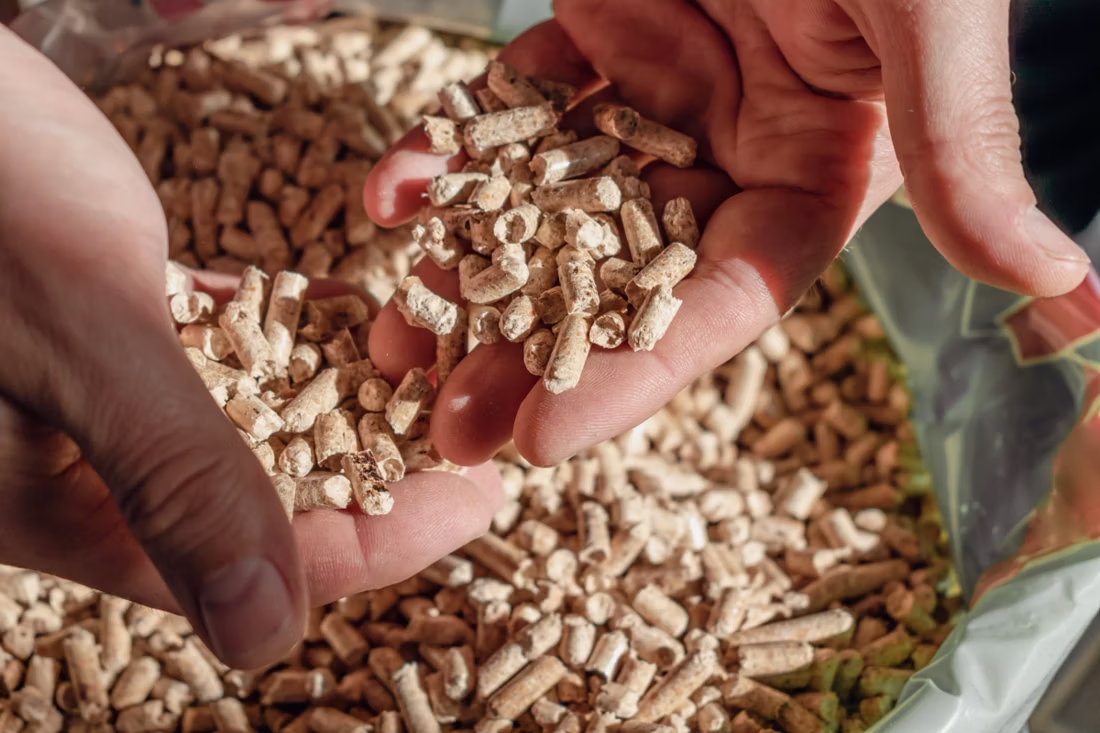
That said, a small number of Gladstone homeowners do install pellet stoves—usually for a finished basement or room addition that the main furnace doesn't reach well, or as a lower-maintenance alternative to a wood stove after an ice storm knocks out power for a few days. Clay County's oak, hickory, walnut, and maple forests don't feed a local pellet mill, so bagged fuel here comes from regional suppliers carrying brands like Lignetics and Indeck Energy Services rather than anything milled nearby. If a pellet stove genuinely fits your situation, we'll match you with a dealer who installs and services them regularly—not one for whom it's an occasional side job.
Three steps. No salesperson until you're ready.
Tell us about your project
Your zip code, your situation, and the fuel you're leaning toward—or let the answers point you to one.
See what's actually available
The brands dealers within 100 miles genuinely carry—real options, never a catalog mirage.
Get your dealer & Project Guide
A trusted local dealer, plus the free Project Guide & Parts List that names every component of the job.
Frequently Asked Questions
Are pellet stoves actually a good fit for a Gladstone home?
For most Gladstone homes, no—not as a primary heat source. With an average winter low of 22°F and about 4,613 heating degree days, the climate here doesn't demand the kind of supplemental heat that drives pellet stove adoption in colder regions, and natural gas or electric heat already covers most homes affordably. Where pellet stoves do make sense locally is targeted: a finished basement, a converted garage, a sunroom addition the ductwork never reached, or a backup source for the handful of days each winter when an ice storm takes down power lines. If that's your situation, it's worth a conversation with a dealer who installs pellet units regularly rather than occasionally.
What does a pellet stove installation cost in the Gladstone area?
Nationally, a pellet stove installation typically runs $3,500 to $7,000 depending on the unit, whether it's a freestanding stove or an insert into an existing fireplace, and how much venting work is involved. Because pellet installers are less common around Gladstone and the broader Kansas City metro than gas fireplace or furnace technicians, expect quotes to reflect that specialization—get two or three estimates and ask specifically about the installer's pellet-stove experience, not just hearth work in general.
Where do I buy pellet fuel near Gladstone?
Dedicated pellet retailers are scarce in this part of Clay County simply because demand is low. Most owners special-order bagged pellets from regional suppliers or stock up seasonally through home improvement stores carrying brands like Lignetics or Indeck Energy Services. Because there's no local pellet mill feeding off the region's oak and hickory forests, buying a season's supply—typically 1 to 3 tons for a supplemental stove—before the first ice storm hits is smarter than trying to source it mid-January when demand spikes.
Will a pellet stove keep my house warm if the power goes out?
Not without help. Pellet stoves rely on an electric auger to feed fuel and a blower to push heat into the room, so a standard unit shuts down in a power outage—which matters in a Missouri ice storm year when Evergy Missouri West customers can lose power for a day or more. Some owners pair a pellet stove with a small battery backup or generator specifically to keep it running through outages. If uninterrupted backup heat without any electricity is the real goal, a wood stove or a battery-backup gas fireplace is a more dependable choice than pellet.
What size pellet stove do I actually need?
Given Gladstone's moderate winters—a 22°F average low and 4,613 heating degree days—most local installs are sized for supplemental zone heat, not whole-home output. A stove in the 40,000 to 60,000 BTU range typically handles a basement, addition, or large living room. Sizing a pellet stove to heat an entire older Gladstone home the way a furnace does is usually overkill and leads to over-firing the unit; a local installer can size it correctly during an in-home visit.
Do I need a permit to install a pellet stove in Gladstone?
Yes—a new hearth appliance installation with venting through an exterior wall or roof typically requires a building permit through the City of Gladstone or Clay County, depending on your address. Because pellet installs are less frequent here than gas fireplace conversions, it's worth confirming with your installer that they've pulled pellet-specific permits before and know the venting clearance requirements the inspector will check for.
Pellet stove or gas insert—which makes more sense for a Gladstone home?
For most homeowners here, a gas insert or fireplace is the more practical choice: natural gas service is widely available, heat is instant, and there's no fuel to haul or ash to empty. Pellet makes sense in narrower cases—someone who wants a real flame and radiant heat without managing cordwood, or who's heating a space where running a gas line isn't feasible. Worth noting: a pellet stove still needs electricity to operate, so it doesn't solve the same power-outage problem that draws some Missouri homeowners toward wood heat in the first place.
How much maintenance does a pellet stove need?
Plan on emptying the ash pan every few days during regular use, cleaning the burn pot and glass weekly, and having the venting and hopper mechanism professionally serviced once a year. Because pellet-specific service techs are less common around Gladstone than gas appliance technicians, schedule your annual service in late summer or early fall—before the handful of installers who do this work locally get booked up ahead of the first cold snap.
Are there any rebates or tax credits for installing a pellet stove in Missouri?
Missouri doesn't currently offer a state-level rebate specific to pellet stoves, but a qualifying pellet stove rated at 75% efficiency or higher is eligible for the federal biomass stove tax credit under the Inflation Reduction Act—30% of the cost including installation, up to $2,000 per year. Evergy Missouri West periodically offers efficiency rebates on electric equipment, but those programs don't currently extend to pellet appliances, so the federal credit is the main incentive to ask your installer about.
Why is a fireplace insert so efficient?
An insert does two things: it seals the chimney completely, so you stop losing air you already paid to heat, and it radiates warmth into the room through the firebox and glass. Most add a heat-exchange fan that pulls cool room air underneath, wraps it around the hot firebox, and pushes it back out warm. Your home is more efficient before you've even lit the first fire.
Are pellet stoves loud?
They make some noise—there are two fans running plus an auger motor that turns as it feeds pellets. But there's a real range: premium models are engineered quiet, and the best offer a whisper-quiet mode you can comfortably watch TV next to. If noise matters in your room, ask to hear a stove running before you buy—it's a five-minute test that saves years of annoyance.
What is an in-home preview and do I need one?
It's a visit where a hearth professional measures your space, confirms the model you picked actually works in your home, and walks the specs—framing, gas line, venting, finish work—before anything is ordered. Some details you just can't know until you see the house. Never make a down payment without one; it's the single most-skipped step that burns buyers.
Can I install a fireplace myself?
If you're putting a fire in your house on purpose, it's best to work with an expert. Unless you're genuinely experienced in framing, gas line, vent pipe, and the national code on clearances to combustibles, have a professional do it—and ideally the same company that sells you the fireplace, so warranty, service, and liability all live under one roof.
Nearby Dealers
Hearth shops serving Gladstone and the surrounding area.
Pellet Brands Stocked Around Gladstone
Manufacturers will point you to the nearest stocking dealer.
Find your pellet stove fit in Gladstone.
Tell us about your home and heating goals, and if a pellet stove is genuinely the right call, we'll match you with a local dealer and send over a free Project Guide & Parts List—the exact parts, venting, and installer recommendation for your space.
Find Your Fireplace →