
Add clean, convenient heat to your Copiah County home.
Copiah County's winters are short and mild, but a pellet stove still earns its keep on the cold snaps and during the ice storms that knock out power across the county. Find the right unit and connect with a trusted local dealer.
Every Project Starts From One of These Five Situations
Convenient heat for a mild Mississippi winter.
Copiah County sits in south-central Mississippi's climate zone 3A, with an average winter low around 37°F and one of the lighter winter heating loads in the country. Most homes in Hazlehurst, Crystal Springs, Wesson, and the outlying Gallman and Georgetown communities lean on central heat pumps for daily comfort, and a wood-burning tradition built on the county's oak, pine, and pecan stands has long filled in the gaps. Pellet stoves fit into that same gap-filling role—supplemental heat for the handful of genuinely cold weeks each winter, plus the appeal of a clean, low-maintenance flame in a den or sunroom.
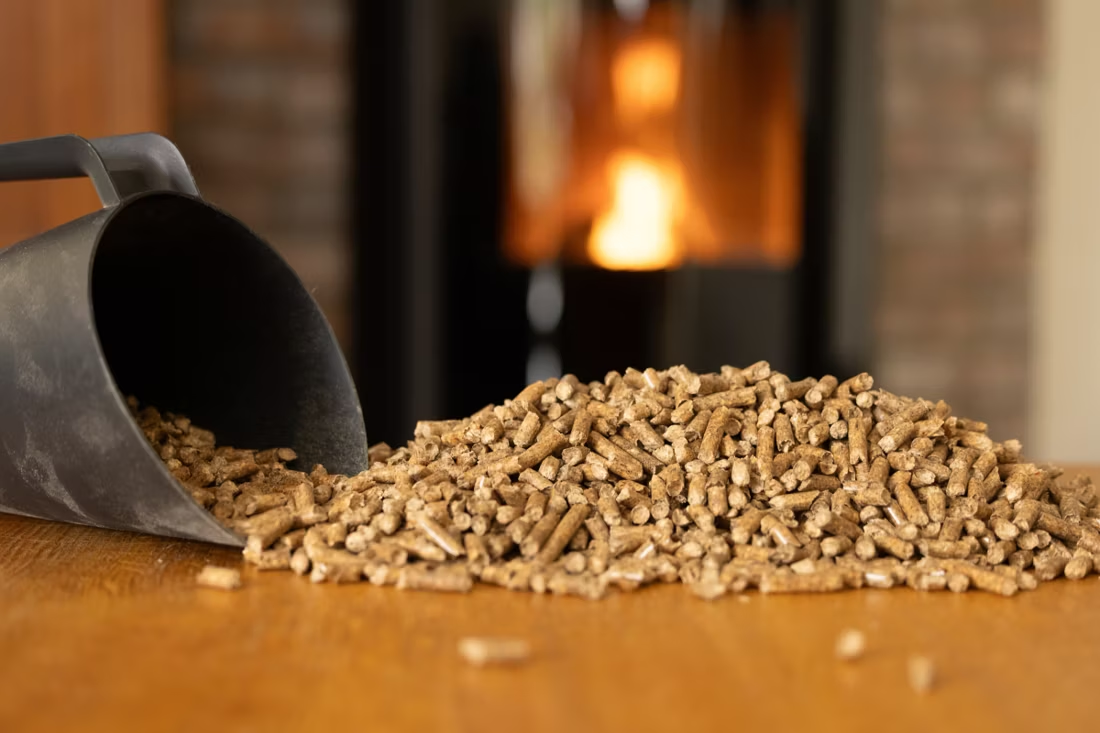
Because Copiah County sits in Mississippi's pine belt, pellets made from Southern yellow pine are the regional norm, and brands like Lignetics, Hamer Pellet Fuel, and Greenway Renewable Energy are commonly stocked by hearth dealers serving the county. One honest caveat: pellet stoves rely on an electric auger and blower to run, so they aren't a stand-alone backup during the ice storms that periodically take down power lines in rural Copiah County—pairing one with a small generator or battery backup is worth discussing with your dealer if outage resilience matters to you.
Three steps. No salesperson until you're ready.
Tell us about your project
Your zip code, your situation, and the fuel you're leaning toward—or let the answers point you to one.
See what's actually available
The brands dealers within 100 miles genuinely carry—real options, never a catalog mirage.
Get your dealer & Project Guide
A trusted local dealer, plus the free Project Guide & Parts List that names every component of the job.
Frequently Asked Questions
How much does a pellet stove installation cost in Copiah County?
A typical pellet stove installation runs in the $3,000 to $6,000 range, depending on the unit, whether it's a freestanding stove or an insert into an existing fireplace, and how much vent pipe work is needed. Because Copiah County's mild climate means most installs are supplemental rather than whole-house heating systems, homeowners often choose a smaller-capacity stove, which trims the cost versus a large-BTU unit sized for a harsher climate. Copiah County Building Department requires a permit for the install, and most local dealers include that paperwork as part of the job.
What size pellet stove do I need for my Copiah County home?
With a light winter heating load compared to most of the country, Copiah County's heating load is light compared to most of the country—a small to mid-size pellet stove (rated for 1,000 to 1,500 square feet) is usually plenty for supplemental heat in a den, living room, or open-plan main floor. Homeowners looking to heat a whole single-story home as their primary source, rather than just take the edge off cold snaps, should size up and talk through insulation and ceiling height with a local dealer. Given the mild winter lows here—averaging around 37°F—oversizing is the more common mistake, and an oversized stove will just cycle on and off rather than run efficiently at a steady low burn.
Where can I find a certified pellet stove installer near me?
Look for an installer with NFI (National Fireplace Institute) pellet certification, which confirms training specific to pellet-burning appliances rather than general wood-stove work. Trusted local dealers serving Copiah County typically handle the venting, hearth clearance, and Copiah County Building Department permit as part of the sale, which keeps warranty coverage intact if something needs service later. Because pellet stoves vent horizontally through an exterior wall in most cases (unlike a wood stove's vertical chimney), the installer's experience with wall-vent placement and clearances matters more than it might elsewhere.
What's the difference between a pellet stove and a pellet insert?
A freestanding pellet stove sits on its own hearth pad and vents through a wall or existing chimney—it works in homes with or without an existing fireplace. A pellet insert is built to slide into an existing masonry fireplace opening, which is a common upgrade for older Copiah County homes built around a wood-burning fireplace that's rarely used. For a home with an existing fireplace already in a good location, an insert is usually the simpler and less expensive path since it reuses the masonry opening rather than requiring new wall penetrations.
Do I need a permit to install a pellet stove in Copiah County?
Yes—new pellet stove and insert installations require a permit through the Copiah County Building Department, covering the appliance clearances and the vent penetration through the wall or existing chimney. Most local dealers pull the permit as part of the installation, so homeowners typically don't have to navigate it directly. Copiah County has no air quality non-attainment restrictions or seasonal burning curtailments to work around, which simplifies things compared to counties with winter inversion concerns.
What's the best pellet stove for Copiah County's climate?
Given the mild winter lows here—averaging around 37°F with a short heating season—most Copiah County homeowners do well with a mid-efficiency pellet stove sized for supplemental heat rather than a large-capacity unit built for sustained sub-zero climates. Ask your local dealer about hopper capacity, too: a larger hopper (60+ pounds) means fewer refills if you're running the stove through a cold stretch, which matters more here since pellet burning tends to be occasional rather than daily. Pellets from Lignetics, Hamer Pellet Fuel, or Greenway Renewable Energy are the regional standard and widely stocked by dealers in the area.
How much maintenance does a pellet stove need?
Pellet stoves need the ash pan emptied roughly every few days to weekly during regular use, and the glass and burn pot cleaned periodically to keep combustion efficient—far less involved than sweeping a wood-burning chimney. An annual professional service visit is still worth scheduling, covering the auger, exhaust fan, and vent pipe, especially before the first cold snap of the season. Because pellet stoves in Copiah County often sit idle for stretches during the mild months, a pre-season check catches anything that settled or seized over the summer.
Where can I buy pellet fuel in Copiah County?
Southern yellow pine pellets from regional producers like Lignetics, Hamer Pellet Fuel, and Greenway Renewable Energy are the most common bags found through hearth dealers and farm supply stores serving Copiah County. Buying by the ton (40 to 50 bags) ahead of the season is the usual approach for homeowners who burn regularly, and given the county's shorter, milder heating season, most households use noticeably fewer tons per year than colder-climate homes. Your local dealer can point you toward the closest stocking retailer.
Pellet stove vs. wood stove—which is right for my Copiah County home?
Wood stoves burn cordwood cut from local oak, pine, or pecan, work without any electricity, and provide reliable heat during power outages—a real consideration given the ice storms that periodically hit rural Copiah County. Pellet stoves are more convenient day to day (load the hopper, set the thermostat, less ash) and burn cleaner, but the auger and blower require continuous power, so they go dark in an outage unless backed by a generator. For a primary residence where outage resilience matters, wood or a dual setup makes sense; for a den, sunroom, or homeowner who wants low-effort supplemental heat in a mild climate, pellet is usually the easier fit.
Why is a fireplace insert so efficient?
An insert does two things: it seals the chimney completely, so you stop losing air you already paid to heat, and it radiates warmth into the room through the firebox and glass. Most add a heat-exchange fan that pulls cool room air underneath, wraps it around the hot firebox, and pushes it back out warm. Your home is more efficient before you've even lit the first fire.
What's the difference between an insert and a zero-clearance fireplace?
An insert is a fireplace that slides into a pre-existing wood-burning fireplace—if you don't have one, there's nothing to insert it into. A zero-clearance fireplace is built into a framed wall, which makes it the answer for remodels and new construction. Simple test: existing masonry fireplace means insert; blank or framed wall means zero-clearance.
Does a fireplace add value to my home?
On average, a fireplace adds back to the home about the same amount you spent installing it. Add the monthly savings from heating the rooms you actually use instead of the whole house—often hundreds of dollars a year—and the value case is strong before you even count what a fire does for how your family uses the room.
Can I install a fireplace myself?
If you're putting a fire in your house on purpose, it's best to work with an expert. Unless you're genuinely experienced in framing, gas line, vent pipe, and the national code on clearances to combustibles, have a professional do it—and ideally the same company that sells you the fireplace, so warranty, service, and liability all live under one roof.
Stove and Fireplace Dealers in Copiah County
Pellet Brands Stocked Around Copiah County
Manufacturers will point you to the nearest stocking dealer.
Find your pellet stove in Copiah County.
Tell us a bit about your home and we'll match you with the right pellet stove or insert, plus a free Project Guide & Parts List—and connect you with a trusted local dealer in Copiah County.
Find Your Fireplace →