
Ambiance without the heat you don't need.
With winter lows averaging 54°F on the Kona coast, an electric fireplace here is about atmosphere, not survival. Get matched with a local dealer who can size and install the right unit.
Every Project Starts From One of These Five Situations
A fireplace for atmosphere, not survival heat.
Kahaluu-Keauhou sits at 482 feet on the leeward Kona coast of Hawaii Island, in climate zone 1A, with an average winter low of 54°F and an almost nonexistent heating season all year. For context, a single cold January night in Duluth, MN can generate more heating demand than this entire town sees in a typical winter. Wood stoves and pellet stoves aren't installed here for a reason—there's simply no cold season to justify a chimney, a wood pile, or a hopper of pellets.
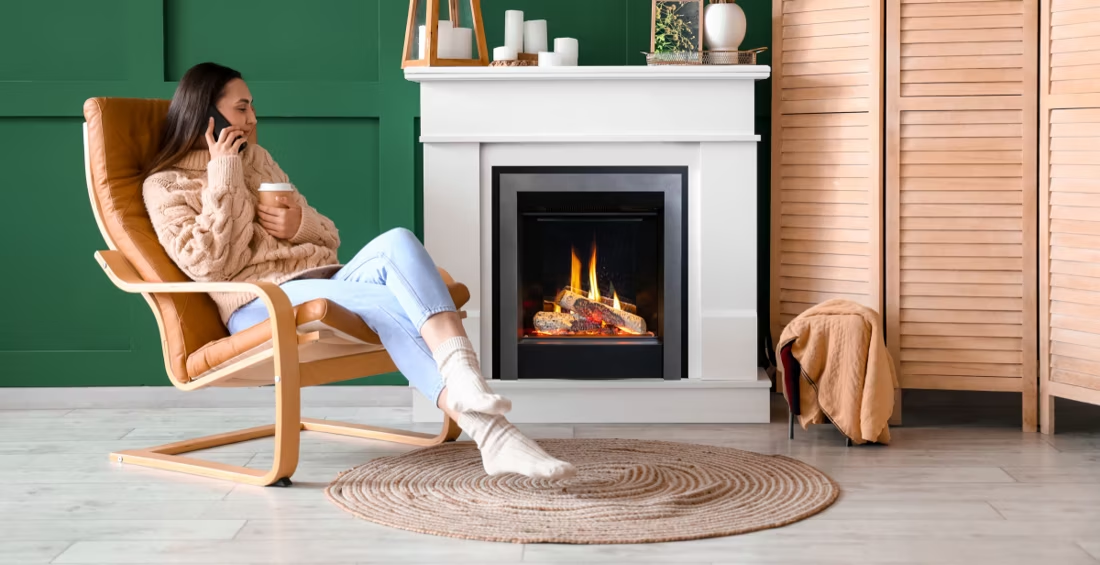
That's exactly why electric is the fuel that makes sense. There's no venting, no gas line, no combustion byproducts to worry about in a condo near Keauhou Bay or a single-family home tucked into the lava-rock hillside. Electric inserts and mantels give homeowners and vacation-rental owners the look and glow of a real fire—good for ambiance on a cool trade-wind evening or for staging a rental listing—without any of the infrastructure a wood or gas system would demand. The one local wrinkle worth knowing: Hawaii Electric Light Co's residential rate runs about 48.3 cents per kWh, among the highest in the country, which shapes how most owners actually use these units.
Three steps. No salesperson until you're ready.
Tell us about your project
Your zip code, your situation, and the fuel you're leaning toward—or let the answers point you to one.
See what's actually available
The brands dealers within 100 miles genuinely carry—real options, never a catalog mirage.
Get your dealer & Project Guide
A trusted local dealer, plus the free Project Guide & Parts List that names every component of the job.
Frequently Asked Questions
Does anyone actually need heat from a fireplace in Kahaluu-Keauhou?
Realistically, no. With an average winter low of 54°F and an almost nonexistent heating season all year, almost no home here relies on supplemental heat overnight. Most electric fireplace owners in Kahaluu-Keauhou run their unit in flame-only mode—the visual glow without the heating element engaged—and only switch on actual heat during the rare cool, breezy evening, particularly in homes set a bit higher on the hillside toward Holualoa where temperatures dip a few degrees lower than at sea level.
How much does it cost to install an electric fireplace here?
Plug-in wall-mount or freestanding electric units typically run $300 to $1,500 for the unit itself, with no professional installation required beyond an existing outlet. Built-in electric fireplaces set into cabinetry, a wall niche, or an existing mantel surround run higher—roughly $1,500 to $4,000—once you factor in carpentry and, if needed, a dedicated electrical circuit run by a licensed electrician. Because there's no chimney, gas line, or venting to install, electric is consistently the least expensive fireplace option available on this side of the island.
Do I need a permit for an electric fireplace in Kahaluu-Keauhou?
Most plug-in units need no permit at all since they simply connect to an existing outlet. If you're installing a built-in unit that requires a new dedicated circuit, your electrician will typically pull an electrical permit through the County of Hawaii Department of Public Works. There's no building or fire-code review comparable to what wood or gas installations require, which is one reason electric is popular for condos and rental units where owners want to avoid a lengthy permitting process.
What will it actually cost to run, given Hawaii's electric rates?
Hawaii Electric Light Co's residential rate is about 48.3 cents per kWh—roughly three to four times the mainland US average, largely because Big Island generation still relies heavily on imported oil. Running a typical 1,500-watt heating element for a few hours a night adds up fast, which is why most local owners use the heat function sparingly, if ever. Flame-only mode, by contrast, usually draws under 100 watts—closer to the cost of running a light fixture—which is the mode most Kahaluu-Keauhou homeowners actually use most nights.
Can I put an electric insert into an existing mantel or built-in surround?
Yes, and it's one of the more common projects local dealers handle here. Many homes and condos in Kahaluu-Keauhou have a decorative mantel or masonry-look surround that was never hooked up to a real heat source—an electric insert drops into that opening and turns it into a working, glowing feature without any venting or structural changes. It's a straightforward upgrade for a living room or lanai-adjacent space that just needs an outlet nearby.
Is an electric fireplace a good fit for a vacation rental or condo near Keauhou Bay?
It's often the best fit. Vacation rentals and condos near Keauhou Bay use electric fireplaces regularly to add a resort-style focal point without introducing smoke, soot, or an open flame that condo association rules or short-term guests would need to manage. There's no chimney sweep, no gas line inspection, and no fuel storage—just a unit that turns on with a remote or app, which matters when you're managing a property from off-island.
How does electric compare to gas here?
Gas is also a standard option in Kahaluu-Keauhou, typically run on propane since there's no natural gas utility on this side of the island. A propane gas fireplace delivers real flame and genuine heat output, but it requires a tank, gas line work, and in most cases venting—meaning a higher upfront cost and a building permit. Electric skips all of that: no tank, no venting, no gas-fitter. For a homeowner who wants ambiance with minimal installation complexity, electric wins; for someone who wants a true backup heat source or the look of a real gas flame, propane is worth the extra step.
Does the coastal humidity or salt air affect an electric fireplace?
It can, especially for units installed near an open lanai or within reach of direct trade winds off the water. Salt-laden air and high humidity can accelerate corrosion on electrical components and metal housings over years of use. Local dealers generally recommend units rated for coastal or humid environments and suggest siting them on an interior wall rather than directly exposed to ocean breeze when the layout allows it.
Why don't people install wood or pellet stoves in Kahaluu-Keauhou?
With an almost nonexistent heating season all year and winter lows rarely dipping below the mid-50s, there's no real heating demand to justify a wood or pellet appliance—both are considered not applicable for this climate. There's also no cutting-permit infrastructure or cool-season firewood market the way there is in mainland cold-climate towns. Electric and, to a lesser extent, propane gas are the two fuels that actually make sense in this part of Hawaii Island, and electric is by far the simpler and less expensive of the two to install.
Can I put a TV above my fireplace?
Yes—with an asterisk. Fireplaces are hot and TVs don't like heat. Either put a mantel between them to deflect rising warmth, or choose a fireplace with heat-management technology that creates a cool zone on the wall above—the wall stays around 125 degrees, barely warm, while the room still gets full heat. If you like clean lines and don't want a mantel, heat management is the answer.
Does an electric fireplace need a vent or chimney?
No—that's its superpower. An electric fireplace needs a wall and an outlet, period. No vent pipe, no gas line, no clearances to design around, which is why it works in bedrooms, offices, apartments, and walls where venting a gas or wood unit would be impractical or impossible. Installation is typically the simplest and least expensive of any fireplace type.
Does a fireplace add value to my home?
On average, a fireplace adds back to the home about the same amount you spent installing it. Add the monthly savings from heating the rooms you actually use instead of the whole house—often hundreds of dollars a year—and the value case is strong before you even count what a fire does for how your family uses the room.
What is an in-home preview and do I need one?
It's a visit where a hearth professional measures your space, confirms the model you picked actually works in your home, and walks the specs—framing, gas line, venting, finish work—before anything is ordered. Some details you just can't know until you see the house. Never make a down payment without one; it's the single most-skipped step that burns buyers.
Nearby Dealers
Hearth shops serving Kahaluu-Keauhou and the surrounding area. Every listing shows whether it is a WhyFire partner, a dealer we have verified as authorized for the brands we recommend, or a local business carrying hearth products. No manufacturer pays for placement. How we verify dealers →
Island Pool & Spa Supply
Hawaii Fireplace – Kamuela
Fireplace & Home Center
Electric Service in Kahaluu-Keauhou
An electric fireplace's heater draws about 1,500 watts—pennies per hour at local rates.
Hawaii Electric Light Co Inc
Find your electric fireplace in Kahaluu-Keauhou.
Tell us about your space and we'll match you with a trusted local dealer and send over a free Project Guide & Parts List—sized for your home, with the exact parts and installer recommended for Kahaluu-Keauhou.
Find Your Fireplace →