
Find the right electric fireplace for your New Castle County home.
From Wilmington row homes to Middletown new builds, electric fireplaces give New Castle County homeowners real ambiance and zone heat without venting or fuel storage. Get matched with a trusted local dealer.
Every Project Starts From One of These Five Situations
Mild winters, easy installs, and a lot of flexibility.
New Castle County sits in climate zone 4A, with average winter lows around 24°F and a winter heating season comparable to a moderate, not-too-long stretch of cold—noticeably milder than places like Madison or Burlington, but still cold enough that supplemental heat matters from December through February. That moderate profile is exactly where electric fireplaces earn their place: they don't need to carry the whole heating load, they just need to take the edge off a chilly living room or finish a basement without triggering a chimney project.
Unlike a lot of the country, New Castle County has no wood-burning air quality restrictions and no non-attainment concerns, so the decision to go electric here is almost never about smoke rules—it's about convenience. Whether you're in a Wilmington rowhouse with no chimney to speak of, a Newark rental where venting isn't an option, or a Middletown new-construction home where the builder left a fireplace-ready wall, electric inserts and built-ins install in a fraction of the time of a gas or wood project, plug into standard household circuits in most cases, and give you real flame-effect ambiance with zero emissions concerns.
Three steps. No salesperson until you're ready.
Tell us about your project
Your zip code, your situation, and the fuel you're leaning toward—or let the answers point you to one.
See what's actually available
The brands dealers within 100 miles genuinely carry—real options, never a catalog mirage.
Get your dealer & Project Guide
A trusted local dealer, plus the free Project Guide & Parts List that names every component of the job.
Frequently Asked Questions
How much does an electric fireplace installation cost in New Castle County?
Most electric fireplace or insert installations in New Castle County run $400 to $1,200, which is dramatically lower than gas or wood projects since there's no venting, gas line, or chimney work involved. A plug-in insert that drops into an existing fireplace opening sits at the low end. A built-in wall unit that requires a dedicated 120V or 240V circuit run by a licensed electrician—common in Wilmington rowhome renovations and Middletown new builds—lands toward the higher end. Ask your installer whether your unit needs a dedicated circuit before you buy; it's the single biggest cost variable.
Do I need a permit to install an electric fireplace in New Castle County?
In most cases, no—a plug-in electric insert or freestanding unit that uses an existing standard outlet doesn't typically trigger a permit review from local building departments in New Castle County. If your installation requires new electrical wiring or a dedicated circuit, that electrical work generally does require a permit and should be done by a licensed electrician, both for code compliance and so the work is covered if you sell the home later. A local dealer handling the install can tell you which category your project falls into.
Can an electric fireplace actually heat a room, or is it just for looks?
Modern electric fireplaces with a built-in heater can genuinely take the chill off a room—most units are rated for 400-1,500 square feet depending on the model, using a fan-forced or infrared heating element alongside the flame-effect display. For New Castle County's zone 4A winters, where lows average around 24°F rather than the sub-zero nights of places like Duluth or Fargo, an electric unit is often enough supplemental heat for a den, finished basement, or bedroom without needing to run the furnace harder. If you want the flame effect only, you can run most units with the heater switched off year-round—useful in Wilmington's humid summers when you still want the ambiance without added heat.
Is wood or pellet heat common in New Castle County?
Not really, and it's worth being straightforward about that. New Castle County's mild coastal-plain winters, a modest overall heating season, and dense suburban and urban layout in places like Wilmington and Newark mean wood and pellet stoves see limited demand here compared to colder, more rural parts of the country. Some homeowners with larger lots still burn oak, hickory, or maple in an existing fireplace for ambiance, and pellet brands like Energex and Hamer Pellet Fuel are available regionally, but electric and gas are the dominant choices for most New Castle County households looking for a fireplace project.
What's the difference between an electric insert and an electric built-in?
An electric insert is sized to drop into an existing fireplace opening—often replacing a wood-burning firebox in an older Wilmington or Newark home—and typically plugs into a nearby outlet with minimal modification. An electric built-in is designed to be framed into a wall, similar to how a TV might be recessed, and is common in Middletown and Bear new-construction projects where there's no existing fireplace at all. Built-ins usually offer a wider selection of sizes and a more seamless, flush look, but often need an electrician to run a dedicated circuit, which is why they land at the higher end of the local cost range.
Will my electric fireplace work during a power outage?
No—this is the main tradeoff to understand with electric units. Since they run entirely on household electricity, an electric fireplace will not operate during a power outage, unlike a battery-backup gas unit or a wood stove. For New Castle County homeowners in areas served by Delmarva Power who've dealt with storm-related outages from nor'easters or summer thunderstorms, that's worth weighing if backup heat is a priority. If emergency heat matters to you, ask a local dealer about pairing an electric fireplace for daily ambiance with a gas unit or portable heater for outage coverage.
How do I choose the right size electric fireplace for my New Castle County home?
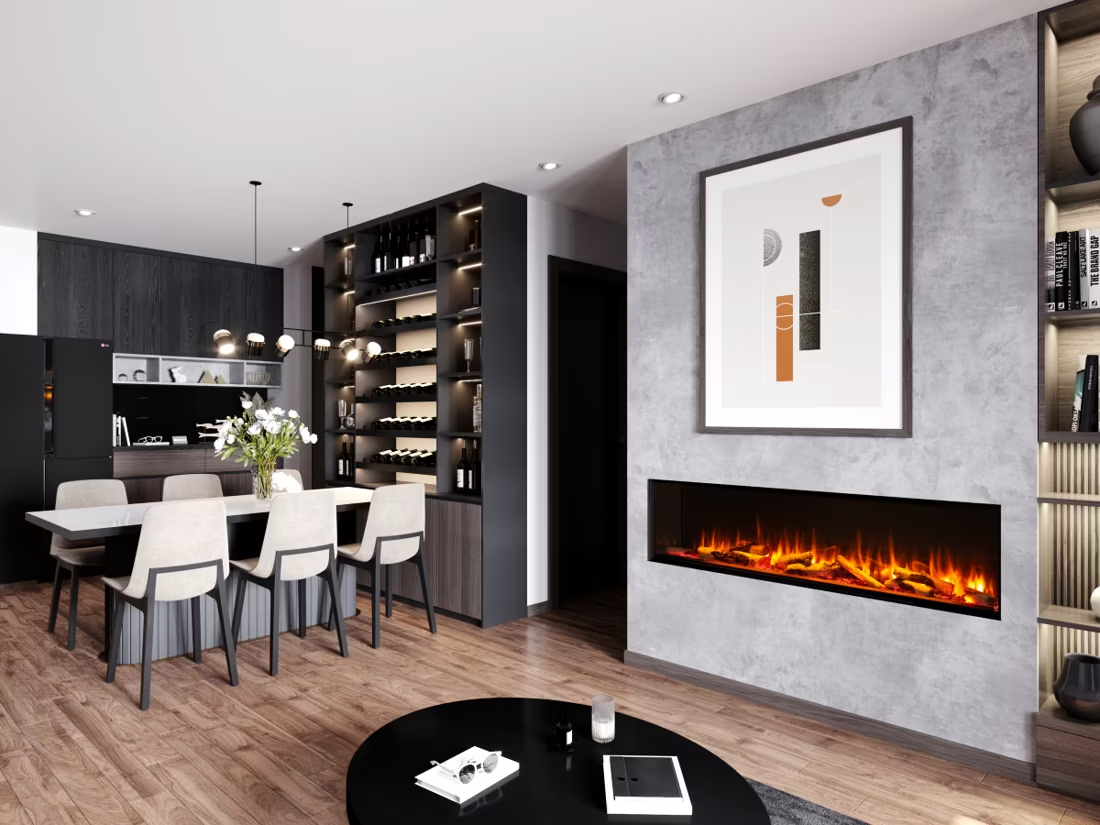
Sizing an electric fireplace is mostly about the wall or opening you're working with and how much heating boost you actually want, since the units themselves don't need clearance for combustion venting the way gas or wood does. A 30-40 inch insert suits a standard living room fireplace opening in an older Wilmington or Newark rowhome, while 50-70+ inch linear built-ins are popular in newer Middletown and Bear homes with open-concept great rooms. If supplemental heat matters, check the square footage rating on the unit's heater rather than just the visual size—a wide, low-wattage unit may look great but underheat a large room.
Do I need an electrician for my electric fireplace installation?
It depends on the unit. A plug-in insert or freestanding electric fireplace that uses a standard existing outlet usually doesn't require an electrician—most homeowners or a hearth dealer's install crew can handle it. If your chosen unit calls for a dedicated 120V or 240V circuit—common with larger built-ins or higher-wattage heaters—you'll want a licensed electrician to run that circuit and tie into your panel, both for safety and so a home inspector doesn't flag it during a future sale in New Castle County.
Electric vs. gas fireplace—which is right for my New Castle County home?
Gas fireplaces offer higher heat output, the option to run during a power outage with battery-backup ignition, and a more traditional flame appearance—but installation involves venting and gas line work, typically running $4,500 or more. Electric fireplaces install for a fraction of that cost, require no venting or gas line, and can go almost anywhere with an outlet—but they won't provide heat or ambiance during an outage and generally can't match a gas flame's realism at close range. For New Castle County's zone 4A winters, where supplemental rather than primary heat is the usual goal, electric is often the practical choice for basements, bedrooms, and rental properties, while gas tends to win out for primary living spaces where homeowners want a stronger flame and backup heat capability.
Can I put a TV above my fireplace?
Yes—with an asterisk. Fireplaces are hot and TVs don't like heat. Either put a mantel between them to deflect rising warmth, or choose a fireplace with heat-management technology that creates a cool zone on the wall above—the wall stays around 125 degrees, barely warm, while the room still gets full heat. If you like clean lines and don't want a mantel, heat management is the answer.
Do electric fireplaces actually produce heat?
Yes—most put out around 4,800–5,000 BTUs from a standard outlet, which comfortably warms a bedroom, office, or den as a comfort-zone heater. What they won't do is carry a whole house the way wood, gas, or pellet can. Think of electric as ambiance-first with honest supplemental heat: flames on with no heat in July, flames plus warmth in January.
What is an in-home preview and do I need one?
It's a visit where a hearth professional measures your space, confirms the model you picked actually works in your home, and walks the specs—framing, gas line, venting, finish work—before anything is ordered. Some details you just can't know until you see the house. Never make a down payment without one; it's the single most-skipped step that burns buyers.
Does a fireplace add value to my home?
On average, a fireplace adds back to the home about the same amount you spent installing it. Add the monthly savings from heating the rooms you actually use instead of the whole house—often hundreds of dollars a year—and the value case is strong before you even count what a fire does for how your family uses the room.
Stove and Fireplace Dealers in New Castle County
Listings include WhyFire partner dealers, dealers we have verified as authorized for the brands we recommend, and established local businesses that carry hearth products. Every listing shows which one it is. The ones marked Preferred run on WhyFire's software, so they can show you real pricing and book your appointment right here. No manufacturer pays for placement. How we verify dealers →
First State Hearth Services
Delaware Brick
Wertz & Co,Inc
Athenia Mason Supply Wilmington LLC
Ah Angersterin Inc
Closer To The Hearth
Johnson Fitness And Wellness
The Stove Store
Comfort Home & Hearth
Schagrin Gas - Middletown
Fortiline
Duvall's Lawn & Garden Inc.
Starks Chimney Services
Halco Grills And Fireplaces
Halligan's Hearth And Home
Get your New Castle County electric fireplace Project Guide.
Tell us a bit about your home and we'll match you with a trusted local New Castle County dealer, plus a free Project Guide & Parts List for your electric fireplace install.
Find Your Fireplace →