
Find the right pellet stove for Monterey County's mild winters.
With winter lows averaging 42°F and roughly 2,634 heating degree days, Monterey County doesn't need brute-force heat—it needs efficient, clean-burning warmth. I'll match you with a trusted local dealer who can size and install the right unit.
Every Project Starts From One of These Five Situations
Efficient warmth for a coastal climate, not a brutal one.
Monterey County sits in climate zone 3C, where the marine layer keeps winters mild—average lows around 42°F, and a heating load (about 2,634 HDD) that's a fraction of what places like Duluth or Bismarck rack up in a single cold month. That's exactly why pellet stoves fit so well here. Homeowners from Salinas to Monterey to King City don't need a stove that can hold a 20-hour overnight burn against sub-zero cold; they need something that can take the chill off a foggy morning or a damp evening efficiently, without the ash and creosote maintenance of a full wood-burning setup.
Regional pellet brands including Bear Mountain, Lignetics, and Pacific Pellet supply the area, and pellet fuel travels and stores easily in a county that stretches from the Salinas Valley farmland to the Big Sur coastline. Pellet stoves also carry an advantage that matters here: because they burn more completely and cleanly than cordwood, they generate less particulate output—a real consideration in a county where wildfire smoke already strains air quality during fall burn season. A local dealer can size the right unit for your home and walk you through venting and hopper capacity specific to how often you'll actually run it in a climate this mild.
Three steps. No salesperson until you're ready.
Tell us about your project
Your zip code, your situation, and the fuel you're leaning toward—or let the answers point you to one.
See what's actually available
The brands dealers within 100 miles genuinely carry—real options, never a catalog mirage.
Get your dealer & Project Guide
A trusted local dealer, plus the free Project Guide & Parts List that names every component of the job.
Frequently Asked Questions
How much does a pellet stove installation cost in Monterey County?
Pellet stove and insert installations in Monterey County typically run in the same general range seen across California—often $3,500 to $7,500 depending on the unit, whether it's a freestanding stove or an insert into an existing fireplace, and the venting path required. Because pellet stoves vent horizontally through an exterior wall rather than requiring a full chimney, installs are often simpler and less expensive than wood stove conversions. Coastal homes in Pacific Grove or Carmel with tighter setbacks may need a slightly more involved venting route than Salinas Valley homes with more clearance. A local dealer can give a firm quote after an in-home look at your space.
Is a pellet stove worth it in a mild climate like Monterey County?
Yes, and it's a common misconception that pellet stoves only make sense in harsh winters. With average lows around 42°F and just 2,634 heating degree days, most Monterey County homes don't need a primary heat source running around the clock—they need supplemental zone heat for the marine layer chill, damp evenings, and the occasional cold snap that rolls in off the bay. A pellet stove set on a lower thermostat setting can efficiently take the edge off a living room or great room without overheating a home that was never built for brutal cold. It's a strong fit for older Salinas Valley farmhouses and coastal cottages alike where central heat is minimal or aging.
What's the difference between a pellet stove and a pellet insert?
A pellet stove is a freestanding unit that sits on its own hearth pad and vents through a short run of pipe out an exterior wall—it can go almost anywhere in a room with proper clearance. A pellet insert is built to slide into an existing masonry fireplace opening, converting an old open hearth (common in older homes around Pacific Grove and Monterey) into an efficient heat source while keeping the existing fireplace surround. For Monterey County homes with an existing but rarely-used wood fireplace, an insert is usually the more cost-effective upgrade since it reuses the opening you already have.
Do pellet stoves work during a power outage?
No—this is the one real tradeoff of pellet heat. Pellet stoves rely on an electric auger to feed pellets and a blower to distribute heat, so they shut down when the power goes out. For most Monterey County homes this is a minor concern given the mild climate, but if you're in an area prone to PSPS (Public Safety Power Shutoff) events during fire season, it's worth discussing backup options with your dealer—some homeowners pair a pellet stove with a small battery backup or generator, or keep a wood-burning option as a secondary source for outage-prone properties in the hills above Carmel Valley or Big Sur.
Do I need a permit to install a pellet stove in Monterey County?
Most new pellet stove installations require a building permit, whether you're inside city limits (Salinas, Monterey, Seaside, King City) or in unincorporated Monterey County. Permits confirm the venting termination clearances and hearth pad requirements are met to code. Most local dealers handle the permit application and inspection scheduling as part of the installation, so it's rarely something homeowners have to manage themselves.
What size pellet stove do I need for my home?
Given Monterey County's mild heating load, most homes are well served by a small-to-medium pellet stove rated for supplemental or zone heating rather than a large whole-house unit. A stove sized for 1,000 to 1,500 square feet handles most living areas comfortably in this climate, whereas the same square footage in a place like Fargo or Helena would call for a considerably larger unit. Older, less-insulated homes in the Salinas Valley or drafty coastal cottages may want to size up slightly. A local dealer can walk your space and recommend a hopper size and BTU rating that matches how you actually plan to use it.
Where can I buy pellets in Monterey County?
Regional pellet brands including Bear Mountain, Lignetics, and Pacific Pellet are commonly stocked at local hearth retailers and feed/farm supply stores throughout the county, from Salinas to the Monterey Peninsula. Buying by the ton (about 50 forty-pound bags) ahead of the fall season is the most economical approach and avoids the scramble that happens if a cold spell drives up local demand. Your dealer can typically point you toward the closest reliable supplier when you have your unit installed.
How often does a pellet stove need to be cleaned and serviced?
Pellet stoves need the ash pot emptied every few days of regular use and the burn pot scraped weekly to keep combustion efficient, but they don't require the annual chimney sweep that wood stoves do since venting runs are short and produce far less creosote. A yearly professional service—checking the auger motor, blower, and gaskets—is still recommended, especially before the fall burning season starts. Given how lightly pellet stoves are typically run in Monterey County's mild winters, many homeowners find annual maintenance is enough to keep a unit running reliably for years.
Pellet stove vs. wood stove—which is right for my Monterey County home?
Wood stoves burn local species like oak, madrone, and Douglas fir, work without electricity, and suit homeowners who don't mind stacking and tending a fire—a real plus during PSPS outages in outlying areas. Pellet stoves are more convenient (load the hopper, set a thermostat), burn cleaner, and produce less particulate matter, which matters in a county where wildfire smoke already affects air quality for parts of the year. Given how mild Monterey County winters run, most homeowners here are choosing pellet for the cleaner burn and lower maintenance rather than raw heat output—cordwood's BTU advantage matters less when you're not fighting sustained sub-freezing temperatures. A local dealer can help you weigh both based on your specific home and how often you expect to run it.
How often does a pellet stove need cleaning?
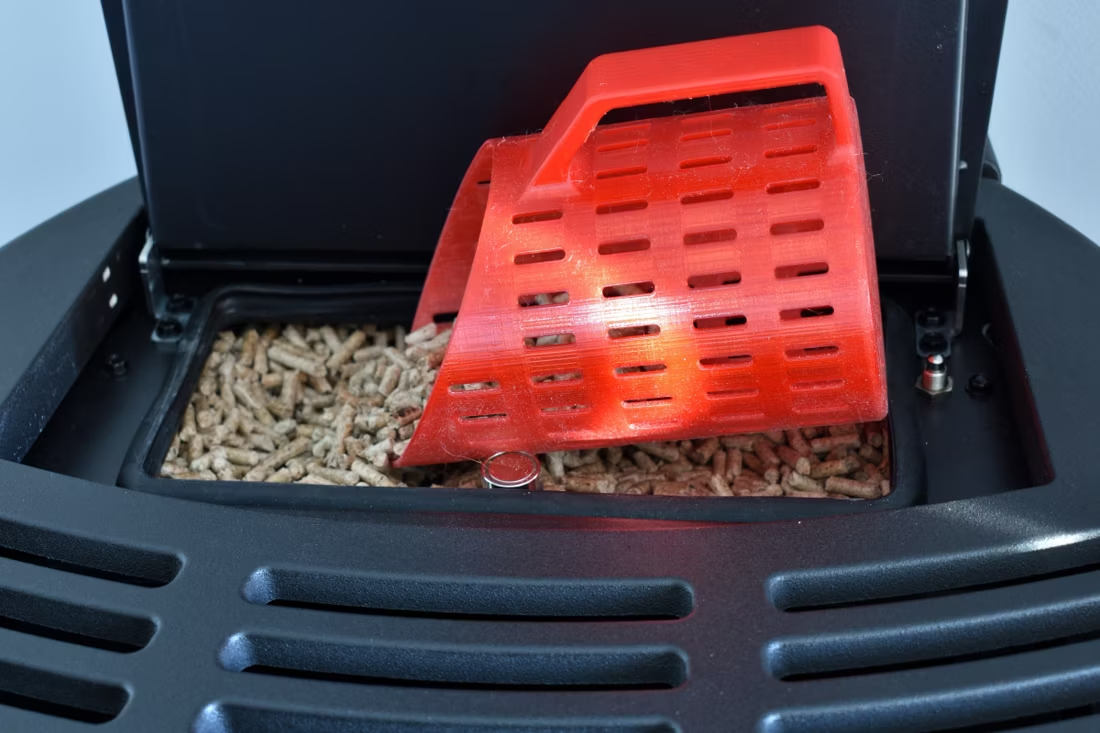
A clean pellet stove is a happy pellet stove. Plan on cleaning the burn pot about once a week when you're burning regularly—ash and clinkers gum up the air holes just like a pellet barbecue. Most pellet stove problems trace back to skipped cleaning that nobody explained up front. Some designs make it easy with a trapdoor burn pot: pull a lever and the gunk drops into the ash pan.
What do I measure to size a fireplace insert?
Four numbers tell you what fits: the front width, the front height, the back width, and the overall depth of your existing fireplace opening. Grab a tape measure, jot those down, and snap a photo of the wall—those two things do more to move your project forward than anything else you can do today.
Can I install a fireplace myself?
If you're putting a fire in your house on purpose, it's best to work with an expert. Unless you're genuinely experienced in framing, gas line, vent pipe, and the national code on clearances to combustibles, have a professional do it—and ideally the same company that sells you the fireplace, so warranty, service, and liability all live under one roof.
Does a fireplace add value to my home?
On average, a fireplace adds back to the home about the same amount you spent installing it. Add the monthly savings from heating the rooms you actually use instead of the whole house—often hundreds of dollars a year—and the value case is strong before you even count what a fire does for how your family uses the room.
Stove and Fireplace Dealers in Monterey County
Pellet Brands Stocked Around Monterey County
Manufacturers will point you to the nearest stocking dealer.
Find your pellet stove in Monterey County.
Tell me a bit about your home and I'll match you with a trusted local Monterey County dealer and send over a free Project Guide & Parts List—sized, vented, and ready to install.
Find Your Fireplace →