
Heat That Holds Steady When the Wind Doesn't.
Consistent, thermostat-controlled heat for Wyoming's high plains—built to handle Casper's wind and cold alike. Find the right pellet stove or insert and connect with a trusted local dealer.
Every Project Starts From One of These Five Situations
Built for Casper's wind, not just its cold.
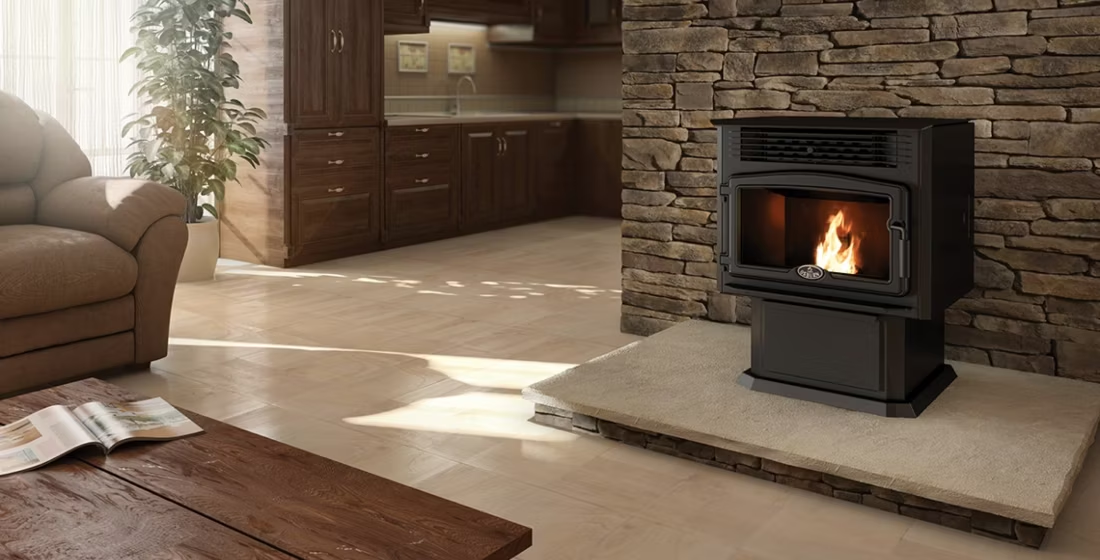
Casper sits at 5,153 feet on Wyoming's high plains, where winters bring a long, demanding heating season, average lows near 16°F, and some of the most persistent wind in the country. That wind is more than a nuisance for wood-burning appliances that rely on natural chimney draft—gusty days can cause smoke spillback and inconsistent burns. Pellet stoves sidestep that problem entirely: a powered combustion blower pushes exhaust out through a direct-vent wall kit regardless of what the wind is doing outside, which makes them a genuinely practical fit for this climate, not just a convenience upgrade.
Regional pellet brands like Bear Mountain, Lignetics, and Forest Energy are commonly stocked by hearth dealers serving Natrona County, milled from the same lodgepole pine, aspen, and ponderosa pine that fill the surrounding national forests. Pellet appliances also burn considerably cleaner than open wood fires, which matters during the smoky stretches of late-summer wildfire season that Casper sees most years. The trade-off is that a pellet stove's auger and blower need electricity to run—PacifiCorp is the local utility, and at roughly 12.5 cents per kWh, day-to-day operating costs are modest, but a stove without battery backup will go dark in a power outage the way a wood stove never would.
Three steps. No salesperson until you're ready.
Tell us about your project
Your zip code, your situation, and the fuel you're leaning toward—or let the answers point you to one.
See what's actually available
The brands dealers within 100 miles genuinely carry—real options, never a catalog mirage.
Get your dealer & Project Guide
A trusted local dealer, plus the free Project Guide & Parts List that names every component of the job.
Frequently Asked Questions
How much does a pellet stove installation cost in Casper?
A freestanding pellet stove install in Casper typically runs $3,000 to $6,500, covering the appliance, a direct-vent kit routed through an exterior wall, and a hearth pad if code requires one. Converting an existing masonry fireplace to a pellet insert usually costs more—often $4,000 to $7,500—since installers need to line the flue and adapt the surround. Because pellet stoves vent horizontally through a wall rather than up a masonry chimney, Casper's wind is actually less of a factor here than it is for wood: the powered combustion blower pushes exhaust out reliably even on a gusty afternoon. Get a firm quote from a local dealer once they've seen your wall type and home layout.
Will my pellet stove keep working if the power goes out?
No—this is the one real trade-off of pellet heat. Pellet stoves rely on an electric auger to feed fuel and a blower to push combustion air, so a PacifiCorp outage during a Wyoming windstorm or winter blizzard will shut the stove down unless you have battery backup. Some pellet stove models offer an optional battery pack that runs the unit for several hours during an outage. If reliable heat during power loss matters most to you, ask a local dealer about backup options, or pair a pellet stove with a wood-burning unit elsewhere in the house—lodgepole pine and aspen are both common and inexpensive around Natrona County.
What size pellet stove do I need for a Casper home?
With Casper facing a long, demanding heating season and winter lows around 16°F, most single-family homes here need a mid-to-large pellet stove rated for 1,500 to 2,500 square feet to get through the coldest stretches of January and February. A smaller unit with a 40-lb hopper, rated closer to 1,000-1,500 sq ft, works fine as supplemental heat in a den or converted garage. Homes at Casper's 5,153-foot elevation also tend to burn slightly hotter and more efficiently than sea-level installs thanks to the dry air—a local dealer can size the unit correctly during an in-home visit rather than guessing off square footage alone.
Where do I buy pellets in Casper, and what do they cost?
Bear Mountain, Lignetics, and Forest Energy are the pellet brands most commonly stocked by hearth dealers and farm-and-ranch stores serving the Casper area. Because none of the major mills are based in Wyoming, expect to pay somewhat more than the national average—typically $280 to $360 per ton, depending on the brand and whether you're buying a single ton or a full-season pallet order. Buying a season's supply, usually 2 to 3 tons for an average home, in late summer before demand picks up is generally the cheapest way to stock up.
Do I need a permit to install a pellet stove in Casper?
Yes—a building permit is required for a new pellet stove installation, typically through the City of Casper Building Division inside city limits or the Natrona County Building Department outside them. Permitting covers the through-wall vent penetration, clearances to combustibles, and hearth pad requirements where applicable. Most local hearth dealers pull the permit as part of the installation, so you generally don't have to navigate it yourself.
Does wildfire smoke affect pellet stove use in Casper?
Wyoming's wildfire season can bring stretches of smoky, hazy air to Casper in late summer, and while that mostly affects outdoor air quality rather than home heating directly, it's worth knowing that pellet stoves burn considerably cleaner than open wood fires or older, uncertified wood stoves. EPA-certified pellet appliances produce a fraction of the particulate emissions of a non-certified wood stove, which matters on days when regional air quality is already strained by smoke drifting in from fires around Wyoming and Montana.
How often does a pellet stove need cleaning or service?
Plan on emptying the ash pan every few days during heavy winter use, doing a deeper burn-pot and glass cleaning weekly, and scheduling a full professional service once a year—usually in late summer before heating season starts. A trained technician will check the auger motor and exhaust blower and clean the heat exchanger tubes where ash tends to accumulate. Because pellet stoves vent through an exterior wall rather than a masonry chimney, there's no annual chimney sweep required the way there is with a wood-burning setup.
Pellet stove or wood stove—which fits Casper better?
Wood is the traditional choice here, and lodgepole pine, aspen, and ponderosa pine are all readily available around Natrona County, often at low cost if you're willing to cut and split your own. Wood stoves also keep working during a power outage, which matters when Casper's wind knocks out lines. Pellet stoves trade that off for real convenience: load the hopper, set the thermostat, and get consistent, adjustable heat without splitting or stacking wood, plus lower particulate emissions on smoky days. If you want low-maintenance, thermostatically controlled heat and don't mind needing electricity to run it, pellet is usually the better fit. If backup heat during outages matters most, wood—or a combination of both—makes more sense.
What's the difference between a pellet stove and a pellet insert?
A pellet stove is a freestanding appliance that sits on a hearth pad and vents through an exterior wall—it can go almost anywhere with a nearby outside wall. A pellet insert is built to slide into an existing masonry fireplace opening, turning an old wood-burning fireplace into a much more efficient, thermostatically controlled heat source while keeping the original fireplace look. For Casper homes with an existing masonry fireplace that rarely gets used because it's inefficient, a pellet insert is often the more practical upgrade. Homes without an existing fireplace usually go with a freestanding stove instead.
Can a pellet stove heat a whole house?
It genuinely can. I burned a pellet stove as my only heat source for years after a furnace died, and it kept the entire house warm. Pellets feed automatically from a hopper, so you get wood-heat economics with thermostat-style control. Two honest caveats: it needs weekly cleaning during the season, and most models need electricity to run—ask about battery backup if outages are a concern.
What's the difference between an insert and a zero-clearance fireplace?
An insert is a fireplace that slides into a pre-existing wood-burning fireplace—if you don't have one, there's nothing to insert it into. A zero-clearance fireplace is built into a framed wall, which makes it the answer for remodels and new construction. Simple test: existing masonry fireplace means insert; blank or framed wall means zero-clearance.
Can I install a fireplace myself?
If you're putting a fire in your house on purpose, it's best to work with an expert. Unless you're genuinely experienced in framing, gas line, vent pipe, and the national code on clearances to combustibles, have a professional do it—and ideally the same company that sells you the fireplace, so warranty, service, and liability all live under one roof.
Does a fireplace add value to my home?
On average, a fireplace adds back to the home about the same amount you spent installing it. Add the monthly savings from heating the rooms you actually use instead of the whole house—often hundreds of dollars a year—and the value case is strong before you even count what a fire does for how your family uses the room.
Preferred Dealer in Casper
Marked Preferred because they run on WhyFire's software—so they can show you real pricing and book your appointment right here. No manufacturer pays for placement. How we verify dealers →
Pellet Brands Stocked Around Casper
Manufacturers will point you to the nearest stocking dealer.
Find your pellet stove in Casper.
Tell us a bit about your home and we'll put together a free Project Guide & Parts List for your pellet project—the right stove or insert, the vent kit it needs, and a trusted local Casper-area dealer to install it.
Find Your Fireplace →