
Find a hearth pro who knows Wyoming wind and cold.
Wood, gas, pellet, and electric fireplace resources for every city and rural community in Natrona County—from Casper to Powder River. Get matched with a local hearth retailer who installs for these winters, not a mild-climate showroom pitch.
Every Project Starts From One of These Five Situations
High-plains heating in Natrona County, Wyoming.
Natrona County sits on Wyoming's high plains at roughly 5,100 feet, with the North Platte River running through Casper and open range stretching out toward Powder River and Waltman. Climate zone 6B and a winter heating season on par with Bismarck, ND put this county in territory comparable to Bismarck, ND—long heating seasons, average winter lows around 16°F, and wind that drives the wind chill well below the thermometer reading. Wildfire smoke is the main air quality concern rather than winter inversions, which shapes how and when residents burn wood locally. Lodgepole pine, aspen, and ponderosa pine—pulled off nearby national forest land or bought split and seasoned—are the standard wood species for stoves and inserts here.
What you'll find on this hub: hearth retailers, service technicians, and fuel suppliers serving every community in the county—from Casper and its immediate suburbs (Mills, Evansville, Bar Nunn) out to the smaller ranching communities like Midwest, Powder River, and Alcova. Pick your fuel below to drill into specifics—local dealers, installation costs, recommended units, and the resources that match your project. Whether you're heating a Casper subdivision home or a ranch house exposed to open wind, this is the starting point.
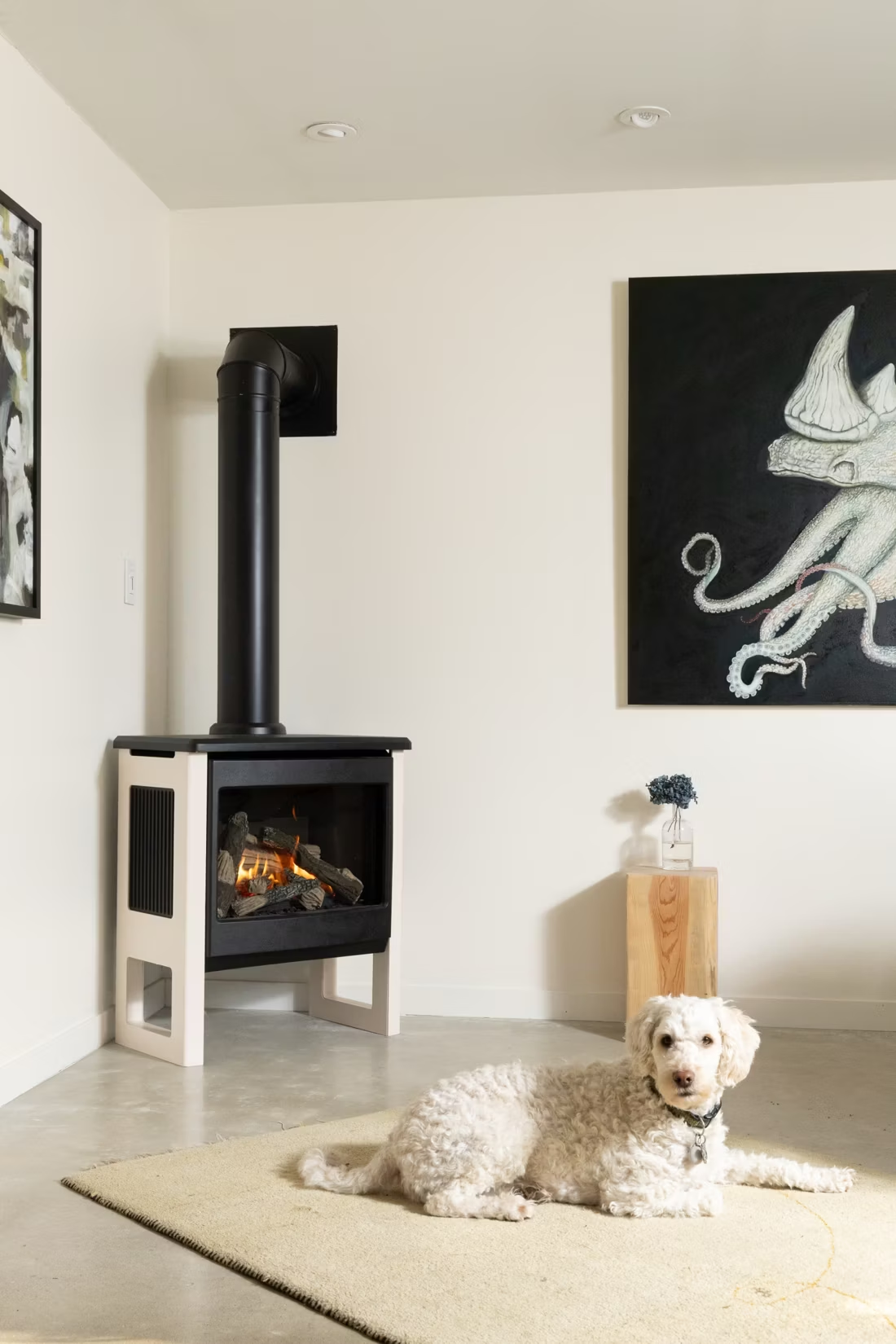
Four fuels. One honest answer for Natrona County.
Three steps. No salesperson until you're ready.
Tell us about your project
Your zip code, your situation, and the fuel you're leaning toward—or let the answers point you to one.
See what's actually available
The brands dealers within 100 miles genuinely carry—real options, never a catalog mirage.
Get your dealer & Project Guide
A trusted local dealer, plus the free Project Guide & Parts List that names every component of the job.
Frequently Asked Questions
Which fuel works best in Natrona County?
It depends on the home and how you use it. Wood remains a solid choice for rural Natrona County properties and ranch homes outside Casper—lodgepole pine and ponderosa pine are readily available locally, and a catalytic stove holds a long burn through a windy, single-digit night without needing power. Gas is the convenience pick for Casper-area homes with natural gas service—instant heat with no wood handling, and it keeps working the way electric baseboard heat can struggle to during a hard cold snap. Pellet is a strong middle option here too, with Bear Mountain and Forest Energy pellets both distributed regionally, giving steady local supply without the splitting and stacking. Electric fireplaces are mostly supplemental in this climate—good for a bedroom or den, but not something we'd recommend as a primary heat source given Natrona County's long, demanding winter heating season. Many households here pair wood or pellet as primary heat with gas or electric in secondary rooms.
Do I need a permit to install a fireplace in Natrona County?
In most cases, yes. New wood stoves, wood inserts, gas fireplaces, gas inserts, gas stoves, and pellet stoves typically require a building permit, and wood-burning appliances need to meet current EPA emissions standards to be installed new. Gas installations also require a separate gas line permit and licensed gas-fitter work for the connection. Electric fireplace installs usually skip the permit process unless it's a built-in unit that involves new electrical circuits or hardwiring. Within Casper city limits, permits run through the city building division; in unincorporated parts of the county—Midwest, Powder River, Alcova, and similar communities—permits go through the Natrona County building department. Most local hearth retailers handle this paperwork as part of the installation, so you typically aren't filing it yourself.
Are there wood-burning restrictions in Natrona County?
Natrona County doesn't deal with the winter inversion smog issues you see in some basin communities—the main air quality concern here is wildfire smoke during summer and fall fire season, which affects visibility and outdoor air rather than triggering wood-burning curtailment days. That said, new wood stove and insert installations still need to meet current EPA New Source Performance Standards, and if you're clearing standing dead lodgepole pine off national forest land for firewood, you'll need a cutting permit from the local Forest Service office. Beyond that, wood burning is largely unrestricted here compared to counties with inversion-prone geography—it's one of the practical advantages of Wyoming's open, windswept terrain.
Can one local hearth retailer handle all four fuel types?
Several Casper-area hearth retailers carry three or four fuel types, which is useful if you're still deciding between options. A dealer that stocks wood, gas, and pellet side by side can show you working displays and walk through trade-offs specific to your home—a ranch house on Powder River with no natural gas line has a very different calculus than a Casper subdivision home with gas already run to the property. Electric fireplace lines are usually carried alongside the other three rather than by dedicated electric-only retailers. If you're cross-shopping fuels, look for a multi-fuel dealer near Casper first, since most rural-serving retailers are based there and travel out to the smaller towns for installs.
How does hearth service work in the smaller towns and ranch areas outside Casper?
Most service technicians covering Natrona County are based in Casper and drive out to surrounding communities—Midwest and Powder River to the north, Alcova and the areas around Pathfinder Reservoir to the southwest, and the ranch country along Highway 20/26. Expect a modest trip fee for calls outside the immediate Casper metro area, and know that pre-season scheduling (late summer through early fall) is far easier to book than a mid-January emergency call when everyone's furnace or stove trouble hits at once. Given the wind exposure out on the open plains, it's worth having a technician check chimney caps, gas line connections, and pellet stove venting before the season starts rather than after a bad storm.
What's the typical cost range for fireplace installation across all fuel types in Natrona County?
Costs vary by fuel and by how much venting or gas line work is involved. Wood stove or insert installation: roughly $4,500-$9,000 for a typical retrofit, higher for new-construction chimney work. Gas fireplace, insert, or stove: roughly $4,500-$11,000, with the lower end applying when gas service already runs to the house. Pellet stove or insert: roughly $4,500-$7,500 for a standard install. Electric fireplace: $200-$3,000 for the unit itself, plus $400-$1,200 in labor for anything beyond a simple plug-and-play setup. For local pricing tied to specific Natrona County retailers, see the county + fuel pages above.
How much should I budget for a fireplace?
For an average home—covering the fireplace, the vent pipe, and basic installation—a budget between $3,900 and $5,500 gives you a lot of options across wood, gas, and pellet. By the time you add finish work, gas line, and electrical, the average complete installation lands between $5,000 and $12,000 all-in. In a remodel or new build, a good rule is to put about 2.5% of the total project cost toward the fireplace.
Wood, gas, pellet, or electric—how do I choose?
Match the fuel to your life, not the other way around. Wood: lowest fuel cost and total power-outage independence, but you're hauling and stacking. Gas: press a button, set a thermostat, no maintenance to speak of. Pellet: wood economics with automatic feeding, in exchange for weekly cleaning and a need for electricity. Electric: plugs in anywhere with honest supplemental heat. Nobody regrets the fuel that fits how they actually live.
Should the dealer who sells my fireplace also install it?
Ideally, yes. A fireplace project involves vent pipe, gas line, electrical, and often tile or stone. Hire three or four separate trades and you own the liability and the game of telephone between them. One company selling and installing means one accountable party, start to finish—ask about factory training, on-time completion records, and what happens if an inspection fails.
Does a fireplace add value to my home?
On average, a fireplace adds back to the home about the same amount you spent installing it. Add the monthly savings from heating the rooms you actually use instead of the whole house—often hundreds of dollars a year—and the value case is strong before you even count what a fire does for how your family uses the room.
Stove and Fireplace Dealers in Natrona County
Listings include WhyFire partner dealers, dealers we have verified as authorized for the brands we recommend, and established local businesses that carry hearth products. Every listing shows which one it is. The ones marked Preferred run on WhyFire's software, so they can show you real pricing and book your appointment right here. No manufacturer pays for placement. How we verify dealers →
Sheet Metal Specialties, Inc.
Magic City Stoves
Log Smith Art - Rick Conner
Sutherlands -Casper -2219
Get matched with a Natrona County hearth dealer.
Pick your fuel below and we'll put together a free Project Guide & Parts List—the exact parts, vent kit included, and our recommended local dealer for your project.
Find Your Fireplace →