
Effortless warmth for White Oak's mild winters.
With winter lows averaging 36°F and only a light, short heating season, White Oak homes don't need a furnace-replacing fireplace—they need clean, instant ambiance and the occasional zone-heat boost. Find the right electric unit and connect with a trusted local dealer.
Every Project Starts From One of These Five Situations
Low heating demand, high ambiance.
White Oak sits in the East Texas piney woods just outside Longview, at only 356 feet of elevation, where winter is short and mild—average lows stay around 36°F and the area sees a light, short heating season, a fraction of what a place like Duluth, MN sees in a single season. That climate reality shapes the fireplace decision: most White Oak homes are already heated efficiently by central heat pumps, so a wood-burning setup or a big pellet-fed system is overkill for the handful of genuinely cold nights each winter.
That's exactly the gap an electric fireplace fills. There's no chimney, no gas line, and no combustion byproducts to vent—just a plug-in or hardwired unit that adds real ambiance and supplemental heat to a bedroom, den, or living room. Electric service in the area comes from Southwestern Electric Power Company (SWEPCO) inside city limits, with Rusk County Electric Cooperative and Upshur Rural Electric Cooperative serving pockets of the surrounding county—residential rates run roughly 12.4 to 13.46 cents per kWh depending on provider, which keeps day-to-day running costs low even with regular use.
Three steps. No salesperson until you're ready.
Tell us about your project
Your zip code, your situation, and the fuel you're leaning toward—or let the answers point you to one.
See what's actually available
The brands dealers within 100 miles genuinely carry—real options, never a catalog mirage.
Get your dealer & Project Guide
A trusted local dealer, plus the free Project Guide & Parts List that names every component of the job.
Frequently Asked Questions
How much does an electric fireplace installation cost in White Oak?
Plug-in electric fireplace inserts and mantel packages typically run $300 to $1,200 installed, since most units simply plug into a standard household outlet with no venting or gas line required. Built-in wall units or larger linear electric fireplaces that need a dedicated 20-amp circuit run higher, often $800 to $2,500, mostly for the electrician's time to run new wiring. Because there's no chimney, flue, or combustion venting involved, electric installs in White Oak are consistently the fastest and least expensive fireplace option a local dealer will quote you.
Do I need a permit to install an electric fireplace in White Oak?
Most plug-in electric fireplace inserts don't require a permit since they don't involve gas lines or venting modifications. If you're adding a built-in unit that requires a new dedicated circuit or panel work, that electrical work typically needs a permit through the local building department, and it should be pulled by a licensed electrician regardless of whether you're inside White Oak city limits or unincorporated Gregg County. A reputable local dealer will tell you upfront whether your chosen unit needs new wiring or just an outlet.
What will an electric fireplace cost to run on my electric bill?
A typical 1,500-watt electric fireplace heater costs roughly $0.15 to $0.20 per hour to run at full heat, based on residential rates of about 12.4 to 13.46 cents per kWh from SWEPCO, Rusk County Electric Cooperative, and Upshur Rural Electric Cooperative. Run for a few hours most evenings through a mild White Oak winter, that adds up to a modest monthly increase—nowhere near what a whole-house electric resistance heating system would cost, since most units are used for zone heating in one room rather than heating the entire house.
Is an electric fireplace enough heat for a White Oak winter?
For most of the season, yes. With average winter lows around 36°F and a light, short heating season, White Oak's heating need is light compared to colder climates, and most homes already rely on a central heat pump for whole-house heating. An electric fireplace is best thought of as supplemental zone heat—great for taking the chill off a den or bedroom on a 30-degree night—rather than a primary heat source. On the rare occasion East Texas sees a hard freeze or ice event, you'll still want your central system running.
Electric vs. gas fireplace—which is right for my White Oak home?
Gas is a genuinely popular option in this part of East Texas, and a direct-vent gas fireplace or insert delivers more heat output and the look of a real flame, but it requires a gas line, venting, and a larger upfront installation cost. Electric skips all of that—no venting, no gas line, and a fraction of the installation cost—in exchange for a more limited (though increasingly realistic) flame appearance and lower maximum heat output. For a supplemental-heat, low-maintenance choice in a mild climate like White Oak's, electric is hard to beat; for homeowners who want gas-fireplace ambiance and are willing to pay for the line and venting work, gas remains a strong local option too.
What about a wood stove instead of electric?
Wood-burning stoves and inserts are uncommon in White Oak. With mild winters, only a light, short heating season, and no local air-quality restrictions driving conversions, there just isn't the sustained heating need that makes a wood stove worthwhile the way it is in colder regions. Some homeowners still enjoy a wood-burning fireplace for atmosphere despite the local oak, pecan, and mesquite being more commonly reached for at the smoker than the wood pile, but if you're deciding between electric and wood specifically for heat, electric is the far more practical fit for this climate.
What type of electric fireplace fits my home best?
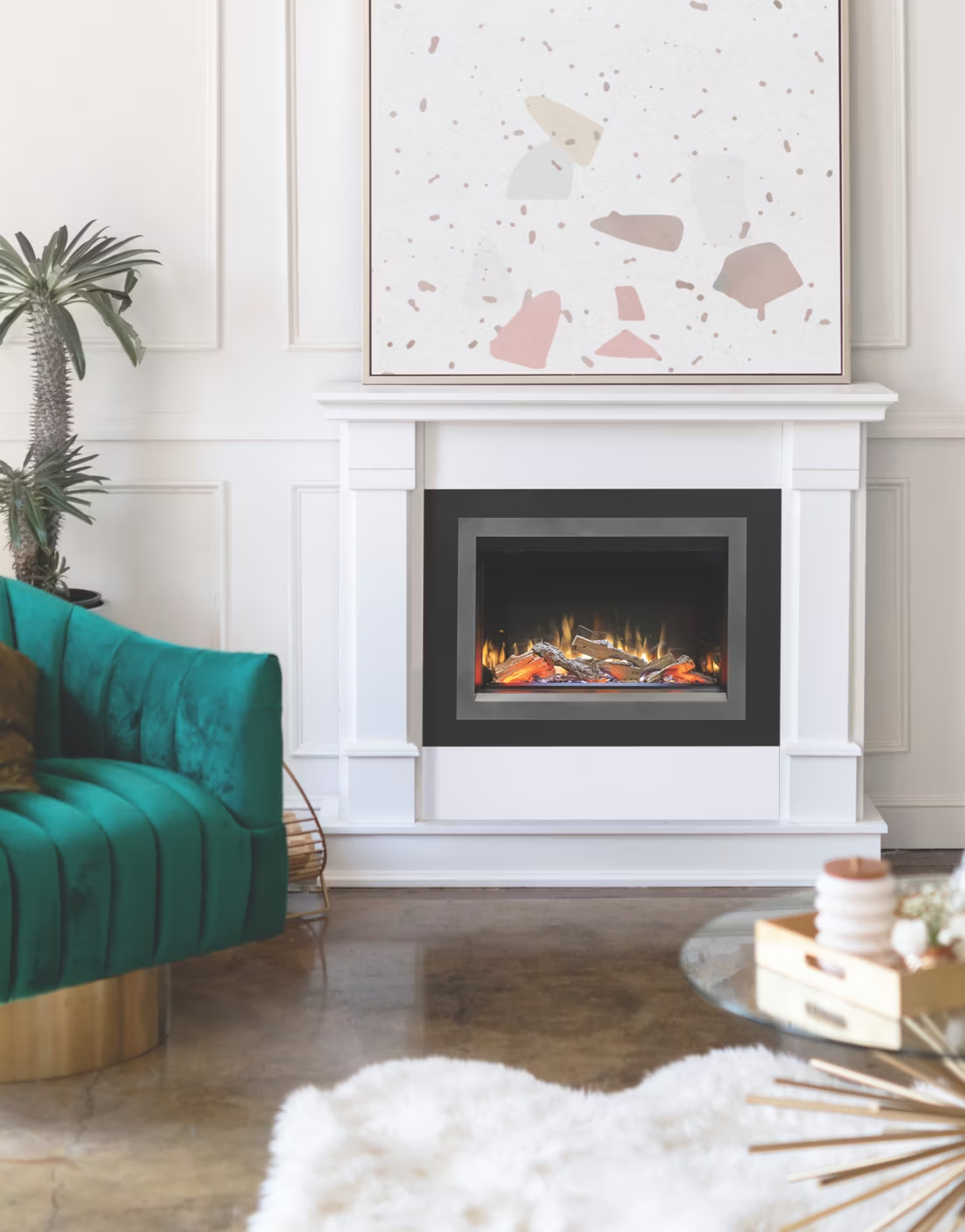
For an existing fireplace opening, an electric insert slides in and instantly upgrades a decorative or unused firebox into a working heat source with realistic flame effects. For homes without an existing fireplace, a wall-mounted linear unit or a freestanding electric stove works well in a den or bedroom, and a mantel package gives you the classic fireplace look in a room built without one. Given White Oak's light heating needs, sizing is less about square footage math and more about which room you want the ambiance and occasional heat boost in—a local dealer can walk you through options for your specific space.
Will my electric fireplace work during a power outage?
No—electric fireplaces require power to run the heater, blower, and flame effect, so they won't function during an outage. That matters in East Texas: ice storms have knocked out power across Gregg County and the broader region in past winters, sometimes for days. If backup heat during outages is a priority alongside everyday ambiance, ask your local dealer about pairing an electric fireplace with a battery backup or generator setup, or consider a vented gas unit with battery ignition for the room where reliable heat matters most.
How do I size an electric fireplace for a White Oak living room or den?
Most electric fireplace heaters are rated to comfortably heat 400 to 1,000 square feet as supplemental heat, which covers a typical White Oak living room, den, or bedroom without issue. Because the local climate doesn't demand whole-house electric heating, oversizing isn't the concern it would be in a colder region—the bigger decision is usually the width of the unit relative to your wall or existing firebox opening, and whether you want a heater function at all versus a flame-only ambiance unit. A local retailer can measure your space and recommend the right width and heat output.
Can I put a TV above my fireplace?
Yes—with an asterisk. Fireplaces are hot and TVs don't like heat. Either put a mantel between them to deflect rising warmth, or choose a fireplace with heat-management technology that creates a cool zone on the wall above—the wall stays around 125 degrees, barely warm, while the room still gets full heat. If you like clean lines and don't want a mantel, heat management is the answer.
Do electric fireplaces actually produce heat?
Yes—most put out around 4,800–5,000 BTUs from a standard outlet, which comfortably warms a bedroom, office, or den as a comfort-zone heater. What they won't do is carry a whole house the way wood, gas, or pellet can. Think of electric as ambiance-first with honest supplemental heat: flames on with no heat in July, flames plus warmth in January.
What is an in-home preview and do I need one?
It's a visit where a hearth professional measures your space, confirms the model you picked actually works in your home, and walks the specs—framing, gas line, venting, finish work—before anything is ordered. Some details you just can't know until you see the house. Never make a down payment without one; it's the single most-skipped step that burns buyers.
Does a fireplace add value to my home?
On average, a fireplace adds back to the home about the same amount you spent installing it. Add the monthly savings from heating the rooms you actually use instead of the whole house—often hundreds of dollars a year—and the value case is strong before you even count what a fire does for how your family uses the room.
Nearby Dealers
Hearth shops serving White Oak and the surrounding area. Every listing shows whether it is a WhyFire partner, a dealer we have verified as authorized for the brands we recommend, or a local business carrying hearth products. No manufacturer pays for placement. How we verify dealers →
Tdi Air Conditioning
East Texas Brick Co.
Electric Service in White Oak
An electric fireplace's heater draws about 1,500 watts—pennies per hour at local rates.
Southwestern Electric Power Co
Rusk County Electric Coop, Inc
Upshur Rural Elec Coop Corp
Find your electric fireplace in White Oak.
Tell us a bit about your home and we'll match you with the right electric fireplace or insert, plus a free Project Guide & Parts List with your recommended local dealer in White Oak.
Find Your Fireplace →