
Real heat, no chimney required, in Dumas.
Electric fireplaces and inserts that plug in, install in an afternoon, and add real supplemental warmth to any room on the high plains—matched with a trusted local dealer.
Every Project Starts From One of These Five Situations
A practical fit for the treeless high plains.
Dumas sits at nearly 3,650 feet on the Texas Panhandle's high plains, where winter lows average around 22°F and a moderate winter heating load puts it in a moderate-cold climate zone (4B)—cold enough to want supplemental heat in a bedroom or living room, but nowhere near the demands of a mountain winter. Wood heat never really took hold here: the local oak, pecan, and mesquite that grow around Moore County are prized for smoking brisket more than for firewood, and there's no national forest land nearby offering cutting permits. Pellet stoves face a similar problem—pellet fuel just isn't stocked at the retail density you'd find in the Pacific Northwest or Upper Midwest.
Most of Dumas is served by Southwestern Public Service Company (an Xcel Energy company) at around 13.35 cents per kWh, while homes on the rural edges of Moore County served by Rita Blanca Electric Cooperative pay closer to 8.28 cents per kWh—some of the cheaper power in the state. Because electric fireplaces plug into a standard outlet or a dedicated circuit and need no venting or chimney, they're an easy retrofit for ranch houses, manufactured homes, and rentals alike, and the co-op's low rate makes running one for daily supplemental heat genuinely cheap.
Three steps. No salesperson until you're ready.
Tell us about your project
Your zip code, your situation, and the fuel you're leaning toward—or let the answers point you to one.
See what's actually available
The brands dealers within 100 miles genuinely carry—real options, never a catalog mirage.
Get your dealer & Project Guide
A trusted local dealer, plus the free Project Guide & Parts List that names every component of the job.
Frequently Asked Questions
How much does it cost to install an electric fireplace in Dumas?
A plug-in electric fireplace or insert typically runs $300 to $1,000 installed, since it uses an existing outlet and needs no venting or gas line. A built-in wall unit or mantel package with a dedicated 20-amp circuit runs higher—usually $1,500 to $3,000 once an electrician runs the new circuit, which adds roughly $150 to $350 to the job. Because there's no chimney, no flue, and no combustion to plan around, electric is consistently the least expensive fireplace project a Dumas homeowner can take on.
Will an electric fireplace actually heat my house?
Not the whole house, and it's not designed to. Most electric fireplaces run a 1,500-watt heater rated for roughly 400 to 500 square feet—enough to noticeably warm a living room or bedroom on a 22°F morning, but not enough to replace central heat during a Panhandle cold front. Think of it as zone heat: it takes the edge off the room you're actually in, so you can turn the thermostat down elsewhere, rather than as a primary furnace replacement.
Do I need a permit for an electric fireplace in Dumas or Moore County?
A plug-in unit generally doesn't require a permit since it doesn't involve new wiring or venting. A built-in electric fireplace tied to a new dedicated circuit is electrical work, though, and may need an electrical permit through the City of Dumas or Moore County depending on where the property sits. Most licensed electricians and hearth installers pull that permit as part of the job, so it's rarely something you have to manage yourself.
What's the difference between an electric fireplace, insert, and mantel package?
A plug-in electric fireplace is a standalone unit—a freestanding stove-style heater or a media-console fireplace—that you place and plug in like any appliance. An electric insert is built to slide into an existing masonry or wood-burning firebox, giving an old fireplace a working flame effect and real heat without touching the chimney. A mantel package pairs a built-in electric unit with a surrounding mantel and hearth for a from-scratch look in a room with no existing fireplace. For Dumas homes without an existing firebox, the insert route only makes sense if a fireplace opening already exists; otherwise a mantel package or freestanding unit is the more common path.
Will my electric fireplace work during a power outage?
No—electric fireplaces need grid power to run the heater and flame effect, so they go dark the moment the lights do. That matters on the high plains, where ice storms and high winds can knock out SPS or Rita Blanca Electric Coop service for hours at a time. Since wood heat isn't really practical in Dumas and pellet infrastructure is thin, a gas fireplace or a battery-and-generator setup is the more realistic backup plan for households worried about outage heat—electric fireplaces here are best understood as everyday comfort, not emergency heat.
How much does it cost to run an electric fireplace on Dumas electric rates?
A typical 1,500-watt unit run 5 hours a day uses about 7.5 kWh. On Southwestern Public Service's residential rate of roughly 13.35 cents per kWh, that's about $1.00 a day, or roughly $30 a month. On Rita Blanca Electric Cooperative's lower rate of about 8.28 cents per kWh, the same usage runs closer to 62 cents a day, or about $19 a month. Either way, it's a fraction of what a whole-home HVAC system costs to run, which is the appeal of using it for zone heat in the rooms you actually occupy.
Electric vs. gas fireplace—which is right for my Dumas home?
Natural gas service is standard and widely available in Dumas, and gas fireplaces remain the traditional choice for real, thermostat-level heat output plus the option to keep working during a power outage. Electric fireplaces win on install simplicity and upfront cost—no gas line, no venting, no combustion inspection—and they're a strong fit for supplemental warmth, rental properties, or rooms where running new gas piping isn't worth the expense. Many Dumas homeowners land on gas for the main living space and electric for a bedroom, sunroom, or secondary area.
Is electric heat a good fit for manufactured or rental homes in Dumas?
Yes, and it's one of the more common uses locally. Moore County's feedyard and agriculture economy means a good share of housing stock is manufactured or rented, where landlords and homeowners alike want to avoid cutting new venting or chimney penetrations into a structure. A plug-in electric fireplace or a mantel-mounted unit adds fireplace ambiance and real supplemental heat without touching the building envelope, which is exactly why it shows up so often in these home types around Dumas.
Why don't more homes in Dumas use wood or pellet stoves?
Geography is the short answer. The Texas Panhandle around Dumas is open plains with no nearby national forest land, so there's no local cutting-permit tradition and firewood has to be trucked in rather than self-sourced. The oak, pecan, and mesquite that do grow here are used far more for smoking meat than for heating a home. Pellet stoves run into a similar wall—without dense local demand, pellet bags aren't stocked at the volume you'd see in wood-heavy regions, making fuel supply inconvenient. Gas and electric fill that gap instead, which is why they're the two fuels that actually make sense for a Dumas fireplace project.
Can I put a TV above my fireplace?
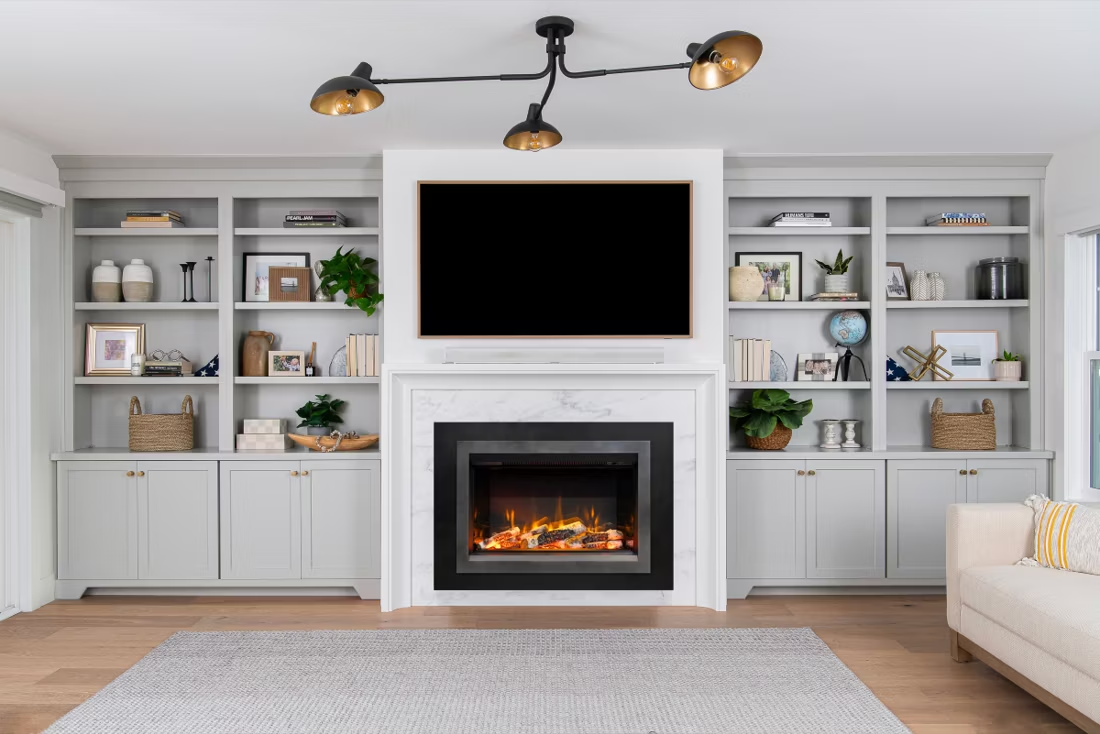
Yes—with an asterisk. Fireplaces are hot and TVs don't like heat. Either put a mantel between them to deflect rising warmth, or choose a fireplace with heat-management technology that creates a cool zone on the wall above—the wall stays around 125 degrees, barely warm, while the room still gets full heat. If you like clean lines and don't want a mantel, heat management is the answer.
Does an electric fireplace need a vent or chimney?
No—that's its superpower. An electric fireplace needs a wall and an outlet, period. No vent pipe, no gas line, no clearances to design around, which is why it works in bedrooms, offices, apartments, and walls where venting a gas or wood unit would be impractical or impossible. Installation is typically the simplest and least expensive of any fireplace type.
How much should I budget for a fireplace?
For an average home—covering the fireplace, the vent pipe, and basic installation—a budget between $3,900 and $5,500 gives you a lot of options across wood, gas, and pellet. By the time you add finish work, gas line, and electrical, the average complete installation lands between $5,000 and $12,000 all-in. In a remodel or new build, a good rule is to put about 2.5% of the total project cost toward the fireplace.
Can I install a fireplace myself?
If you're putting a fire in your house on purpose, it's best to work with an expert. Unless you're genuinely experienced in framing, gas line, vent pipe, and the national code on clearances to combustibles, have a professional do it—and ideally the same company that sells you the fireplace, so warranty, service, and liability all live under one roof.
Nearby Dealers
Hearth shops serving Dumas and the surrounding area. Every listing shows whether it is a WhyFire partner, a dealer we have verified as authorized for the brands we recommend, or a local business carrying hearth products. No manufacturer pays for placement. How we verify dealers →
Panhandle Outdoor Living & Fireplaces
Reid's Appliance Services
West Texas Brick
Boyd's Equipment
Electric Service in Dumas
An electric fireplace's heater draws about 1,500 watts—pennies per hour at local rates.
Southwestern Public Service Co
Rita Blanca Electric Coop, Inc
Find your electric fireplace in Dumas.
Tell us a bit about your home and we'll match you with the right electric fireplace or insert, plus a free Project Guide & Parts List with your recommended local dealer.
Find Your Fireplace →