
Keep Your Family Warm and Safe—No Matter What
Sumner County's winters are mild by national standards, so wood isn't the default heat source here the way it is farther north. But for backup heat during ice storms, rural properties around Westmoreland and Bethpage, and homeowners who just want a real fire, a properly sized and vented wood stove still makes sense. We'll connect you with a trusted local dealer who can tell you honestly whether it's the right fit for your house.
Every Project Starts From One of These Five Situations
A mild climate—but a real reason to keep wood in the mix.
Sumner County stretches from the Old Hickory Lake shoreline in Hendersonville and Gallatin north to the rolling, more rural country around Portland, Westmoreland, and the Kentucky line. It sits in climate zone 4A, with an average winter low around 27°F and a moderate winter heating season—call it half the heating load of a genuinely cold-climate city like Duluth, Minnesota, or International Falls. That's mild enough that most Sumner County homes are built and heated around central gas furnaces and electric heat pumps, not wood. Wood heat here isn't a mainstream, first-line heating strategy the way it is in the Appalachian foothills or the northern Rockies.
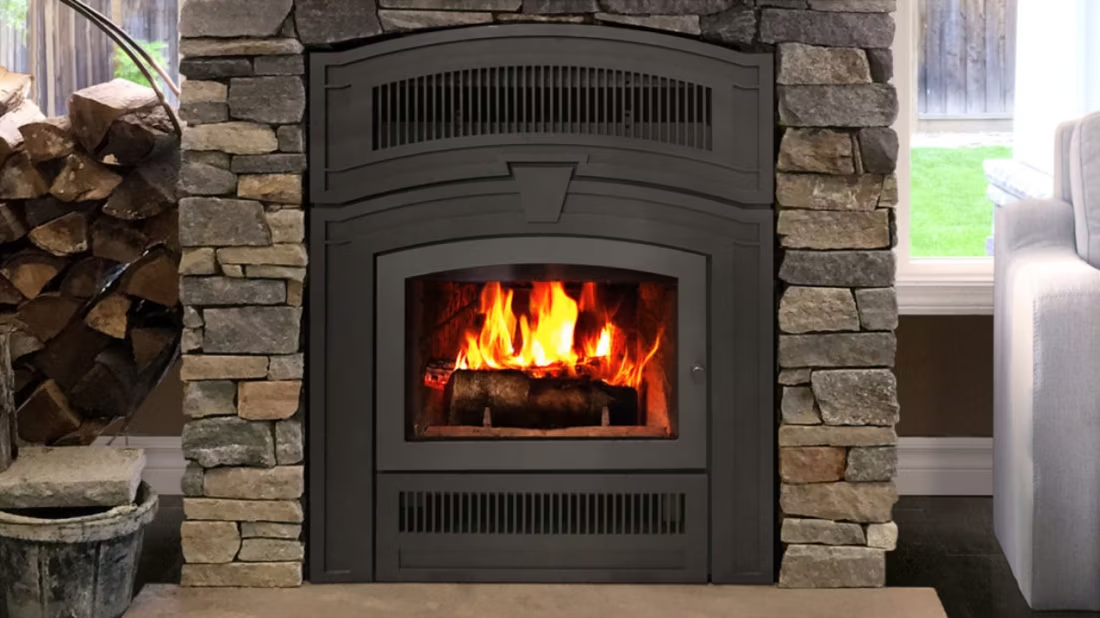
That said, the county's ridges and creek bottoms are thick with oak, hickory, and maple—dense hardwoods that throw serious heat—plus plenty of pine for kindling. A meaningful number of homeowners still install a wood stove or insert: in older farmhouses around Bethpage and Westmoreland where the layout suits a freestanding stove, on larger rural lots where cut firewood is essentially free, and as genuine backup heat for the ice storms that periodically take down power lines across Middle Tennessee. A wood stove needs no electricity to run, which is more than you can say for a gas furnace's blower or a heat pump's compressor. For most in-town Hendersonville or Gallatin buyers, though, it's realistically a supplemental or ambiance purchase rather than a whole-home heat source—and that's a fine reason to buy one too.
Three steps. No salesperson until you're ready.
Tell us about your project
Your zip code, your situation, and the fuel you're leaning toward—or let the answers point you to one.
See what's actually available
The brands dealers within 100 miles genuinely carry—real options, never a catalog mirage.
Get your dealer & Project Guide
A trusted local dealer, plus the free Project Guide & Parts List that names every component of the job.
Frequently Asked Questions
Is wood heat common in Sumner County, TN?
Not as a primary heat source—no. With winter lows averaging around 27°F and a moderate winter heating season, most Sumner County homes run on central gas or electric heat pump systems, and that covers day-to-day comfort just fine. Wood stoves and inserts still show up regularly, though, particularly on rural properties outside Gallatin and Hendersonville, in older farmhouses around Westmoreland and Portland, and in homes where the owner wants backup heat that doesn't depend on the grid. It's a niche but legitimate category here, not a mainstream one.
How much does a wood stove installation cost in Sumner County?
Costs vary with the stove, the venting situation, and whether you're installing into an existing masonry fireplace or starting from scratch. A straightforward insert into an existing chimney tends to run toward the lower end of a typical wood-heat project; a freestanding stove that needs new Class A chimney pipe and a hearth pad built from the floor up costs more. Because wood heat is a smaller share of the local market than gas or electric here, it's worth getting quotes from a couple of dealers who actually stock and install wood-burning appliances rather than assuming any general contractor can price it accurately.
What size wood stove do I need for a Sumner County home?
Given the county's mild winters, most homeowners here are sizing for supplemental heat or backup capability rather than whole-home output—a small to medium stove is often plenty for a main living area, den, or a farmhouse room that gets drafty. The exception is older, less-insulated rural homes around Westmoreland or Bethpage where wood may genuinely carry more of the heating load; those setups sometimes call for a larger stove sized closer to the way you'd size for a much colder climate. A local dealer can walk your specific room and tell you which end of that range you're on.
Wood stove vs. wood insert—which is right for my home?
An insert fits into an existing masonry fireplace and uses your current chimney, which makes it the natural choice for the many Sumner County homes—especially older ones around Gallatin and Portland—that already have a built fireplace sitting mostly unused. A freestanding stove works anywhere with the right clearances and a new chimney run, which makes more sense for homes without an existing fireplace, workshops, or detached spaces. If you've got a fireplace you never light because it barely heats the room, an insert is usually the better upgrade dollar for dollar.
Do I need a permit to install a wood stove in Sumner County?
Yes—a new wood-burning appliance installation typically requires a building permit, either through the city (if you're inside Gallatin, Hendersonville, or another incorporated town) or through the county if you're in an unincorporated area. The stove itself needs to meet current EPA emissions standards. Sumner County doesn't carry the air quality non-attainment status or winter inversion issues you'll find in some western counties, so there are no seasonal burn curtailment periods here to plan around—just standard code compliance and inspection, which a certified local installer typically handles as part of the job.
What's the best firewood for heating in Sumner County?
Oak and hickory are the standouts—both are dense, common throughout the county's woodlands, and burn hot and long, which matters more for the occasional deep-cold night or extended power outage than for daily use in a mild climate. Maple is a solid secondary choice. Pine is plentiful too, but it burns fast and hot with more resin, so it's better suited to kindling and shoulder-season fires than to loading a stove overnight. If you're buying rather than cutting your own, ask suppliers specifically for seasoned oak or hickory rather than a mixed load.
Where can I buy or cut firewood in Sumner County?
Firewood suppliers around Gallatin, Hendersonville, and Portland sell seasoned cordwood by the cord, with oak and hickory typically commanding a bit more than mixed loads. If you own rural acreage in the county—common around Westmoreland, Bethpage, or the areas toward the Kentucky line—cutting and splitting your own hardwood is a realistic and popular option, since the county's timber is dominated by the same oak-hickory-maple mix that makes for good stove wood. Whichever route you take, plan on seasoning wood at least six months to a year before burning it for a cleaner, more efficient fire.
How often should my chimney be inspected?
The Chimney Safety Institute of America recommends an annual inspection for any wood-burning appliance, and that holds regardless of how often you actually burn. Because wood stoves in Sumner County are more often used seasonally or as backup heat rather than run daily all winter, it can be tempting to skip a year—but irregular use can actually mean more creosote buildup from cooler, smoldering fires. A yearly Level 1 inspection before burning season starts is the safe standard to stick to.
Wood stove vs. gas or electric—which is right for my Sumner County home?
For most Sumner County homeowners, gas or an electric heat pump is the more practical everyday choice—it's what the local utility infrastructure and home construction here are built around, and with a mild 4A climate and a moderate winter heating season, you don't need a wood stove running daily to stay comfortable. Where wood earns its place is backup heat that keeps working when the power goes out during a Middle Tennessee ice storm, and as a genuine, no-electricity-required heat source for rural properties with their own firewood supply. Plenty of homes here end up with both: gas or electric for daily comfort, wood for the nights when the grid isn't cooperating.
Why is a fireplace insert so efficient?
An insert does two things: it seals the chimney completely, so you stop losing air you already paid to heat, and it radiates warmth into the room through the firebox and glass. Most add a heat-exchange fan that pulls cool room air underneath, wraps it around the hot firebox, and pushes it back out warm. Your home is more efficient before you've even lit the first fire.
Why won't my new wood stove get going like my old one?
New wood stoves are 70%+ efficient, so far less heat goes up the flue—which also means less draft to get a fire established. The rule: build a genuinely hot fire for about 45 minutes before you choke it down. Skip that and you get smoke in the room, creosote in the chimney, and a fire that never takes off. Most performance complaints trace straight back to this.
What is an in-home preview and do I need one?
It's a visit where a hearth professional measures your space, confirms the model you picked actually works in your home, and walks the specs—framing, gas line, venting, finish work—before anything is ordered. Some details you just can't know until you see the house. Never make a down payment without one; it's the single most-skipped step that burns buyers.
Does a fireplace add value to my home?
On average, a fireplace adds back to the home about the same amount you spent installing it. Add the monthly savings from heating the rooms you actually use instead of the whole house—often hundreds of dollars a year—and the value case is strong before you even count what a fire does for how your family uses the room.
Stove and Fireplace Dealers in Sumner County
Listings include WhyFire partner dealers, dealers we have verified as authorized for the brands we recommend, and established local businesses that carry hearth products. Every listing shows which one it is. The ones marked Preferred run on WhyFire's software, so they can show you real pricing and book your appointment right here. No manufacturer pays for placement. How we verify dealers →
31-W
Countryside Fireplaces & More
Find your wood stove in Sumner County.
Tell us about your home and how you'd actually use a wood stove—daily heat, backup power, or just ambiance—and we'll match you with a trusted local dealer and a free Project Guide & Parts List covering the exact parts, including the vent kit, for your Sumner County installation.
Find Your Fireplace →