
A cleaner way to heat through Saluda County's mild winters.
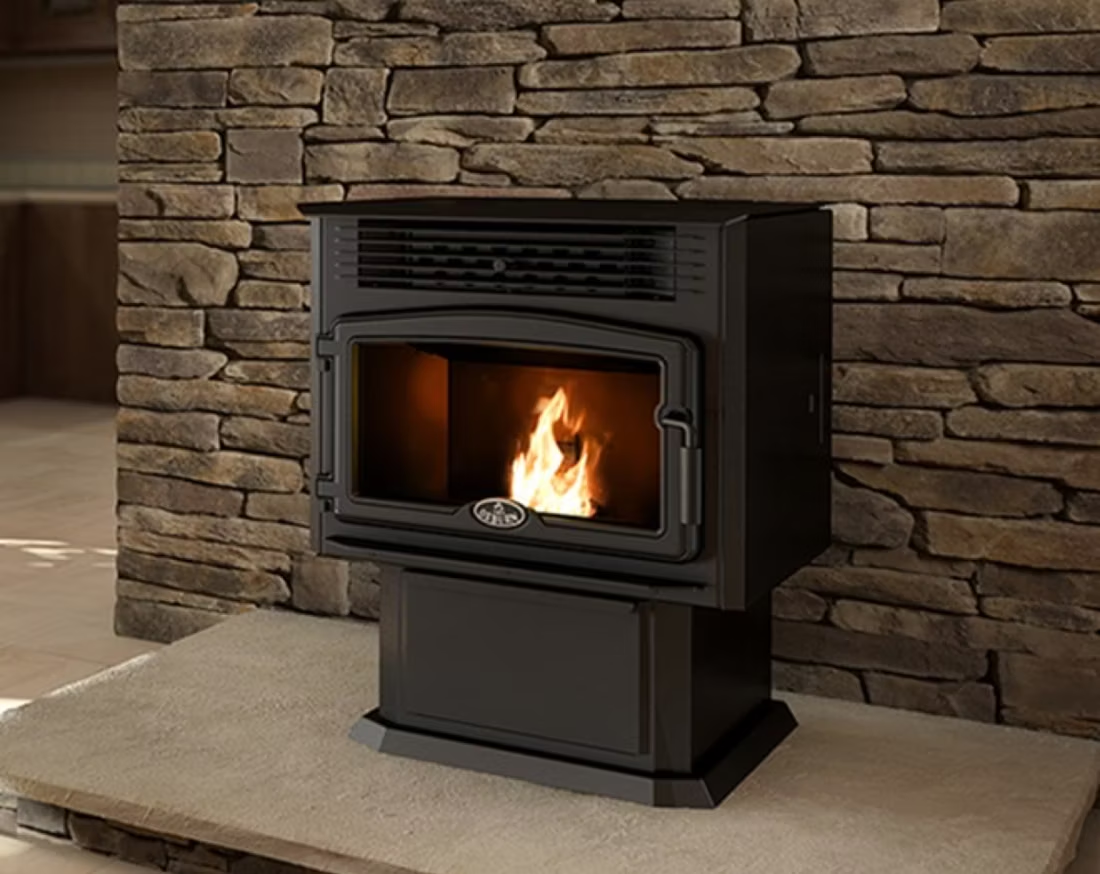
With around 2,954 heating degree days and winter lows averaging 32°F, Saluda County doesn't need a furnace-grade wood burner—it needs a clean, efficient pellet stove that can carry a farmhouse or ranch home through cold snaps without the wood-splitting. We'll match you with a trusted local dealer who can size and install one correctly.
Every Project Starts From One of These Five Situations
Built for a short heating season, not a brutal one.
Saluda County sits in USDA climate zone 3A, where the heating season is real but compact—winter lows average around 32°F and the county logs roughly 2,954 heating degree days a year, a fraction of what a place like Duluth, MN or Burlington, VT sees. That means most Saluda County homes don't need a stove capable of carrying an entire house through a January like they'd get in the upper Midwest. What they need is efficient, controllable supplemental heat for the string of cold mornings and occasional hard freezes that hit the Piedmont between late November and February—and that's exactly where a pellet stove earns its keep.
Pellet fuel is well supported in this part of South Carolina. Hamer Pellet Fuel, based just up the road in Aiken County, along with regional suppliers like Lignetics and Greenway Renewable Energy, keep bagged pellets in local farm and hardware stores rather than requiring an online order and freight delivery. Most bags sold here are softwood or blended pellets rather than the oak and hickory that fuel Saluda County's traditional wood stoves, but the two heat sources coexist well in a lot of homes—pellets for thermostatic, low-maintenance daily heat, wood for backup or ambiance.
Three steps. No salesperson until you're ready.
Tell us about your project
Your zip code, your situation, and the fuel you're leaning toward—or let the answers point you to one.
See what's actually available
The brands dealers within 100 miles genuinely carry—real options, never a catalog mirage.
Get your dealer & Project Guide
A trusted local dealer, plus the free Project Guide & Parts List that names every component of the job.
Frequently Asked Questions
How much does a pellet stove installation cost in Saluda County?
Most pellet stove installations in Saluda County run $3,500 to $6,500, depending on the unit, whether a hearth pad is needed, and how much wall or roof penetration the vent run requires. Because pellet stoves vent through a small-diameter PL pipe rather than a full masonry chimney, installs are often on the lower end of that range, especially in the older farmhouses common throughout the county that were never built with a chimney at all. Given the county's small population, expect your installer to be based out of Greenwood, Newberry, or Aiken rather than in Saluda itself—factor a modest travel charge into your quote.
What size pellet stove do I need for my Saluda County home?
Because the county's heating season is relatively mild, sizing tends to run smaller here than in colder parts of the country. A stove rated for 1,000 to 1,500 square feet handles most single-story homes in and around Saluda or Ridge Spring used as supplemental heat, while larger or drafty farmhouses may want a unit rated closer to 2,000 square feet if it's expected to carry the whole home through a cold snap. If you're running the stove as your primary heat source rather than a supplement to a heat pump or central system, size up—a local dealer can walk your home and give you an exact recommendation.
Do I need a permit to install a pellet stove in Saluda County?
Yes—new pellet stove installations require a building permit through the Saluda County Building & Codes Department, covering the venting penetration, hearth clearances, and electrical connection for the unit's auger and blower. Most hearth dealers who serve the county handle the permit application as part of the installation, so this typically isn't something homeowners have to manage themselves. Because pellet stoves use a smaller PL-vented flue rather than a full Class A chimney system, inspections tend to move faster than they would for a wood stove install.
How is a pellet stove vented compared to a wood stove?
Pellet stoves vent through a smaller-diameter PL (pellet-listed) pipe that can run horizontally through an exterior wall in many installations, rather than requiring a full vertical masonry or Class A chimney. That's a real advantage for Saluda County's older rural homes, many of which were never built with a chimney at all—it means a pellet stove can often be added to a home that couldn't accommodate a wood stove without a much larger construction project. Venting still has to be sized and sloped correctly by a qualified installer; improperly pitched vent runs are one of the more common service calls for pellet units.
Where can I buy pellet fuel in Saluda County?
Bagged pellets from Hamer Pellet Fuel, Lignetics, and Greenway Renewable Energy are carried at farm supply and hardware stores throughout this part of the Piedmont, with prices typically running $250 to $320 per ton (about $6 to $8 per 40-pound bag). A full ton is 50 bags and takes up roughly the space of a stacked cord of firewood—plan for dry, off-ground storage in a shed or garage rather than direct exposure to South Carolina's humidity, which can cause bags to swell and pellets to soften. Given the county's short, mild heating season, most homeowners here get by on 1 to 2 tons per winter rather than the 4-plus tons a colder climate would require.
Will my pellet stove still work if the power goes out?
Not without a backup power source. Pellet stoves rely on an electric auger to feed fuel and a blower to distribute heat, so a power outage shuts the unit down even with a full hopper—unlike a wood stove, which keeps burning regardless. Much of rural Saluda County is served by Laurens Electric Cooperative, and outages here can run longer than in denser areas after a storm. If backup heat during outages matters to you, ask your dealer about a battery backup unit sized for a pellet stove, or consider pairing your pellet stove with a wood-burning option for true grid-independent heat.
Pellet stove vs. wood stove—which makes more sense in Saluda County?
With oak, pine, and hickory readily available across the county, wood heat has deep roots here and remains a genuinely practical choice, especially for anyone with land to cut from. Pellet stoves trade that self-sufficiency for convenience: no splitting or stacking, a thermostat you can set and walk away from, and a cleaner burn with far less ash and no creosote buildup to manage. Given the county's short heating season, many homeowners find a pellet stove is easier to live with for day-to-day supplemental heat, while keeping a wood stove or fireplace as backup for extended outages or for the ambiance a live fire provides.
Are there rebates or tax credits available for a pellet stove in Saluda County?
The federal 25C tax credit covers 30% of the cost of a qualifying high-efficiency biomass stove (75% efficiency or higher, which covers most modern pellet stoves), up to $2,000, including installation costs. This is a federal credit rather than a South Carolina-specific rebate, so it applies regardless of where in the county you install, and it's claimed on your federal tax return the year the unit goes in. Ask your dealer for the manufacturer's efficiency documentation before you file—you'll need it to substantiate the credit.
How long is pellet stove season in Saluda County, and what maintenance does it need?
Most Saluda County homeowners run their pellet stove from late November through February, with occasional use into early March during a cold snap—a noticeably shorter season than in northern climates. That lighter use doesn't eliminate maintenance: the hopper and burn pot need regular ash removal (weekly during active use), the exhaust vent should be inspected and cleaned at least once a season, and the gaskets and auger should be checked annually. Local dealers who sell pellet stoves in the county typically offer an annual service visit, which is worth scheduling before the fuel starts moving through farm stores each fall.
Why is a fireplace insert so efficient?
An insert does two things: it seals the chimney completely, so you stop losing air you already paid to heat, and it radiates warmth into the room through the firebox and glass. Most add a heat-exchange fan that pulls cool room air underneath, wraps it around the hot firebox, and pushes it back out warm. Your home is more efficient before you've even lit the first fire.
What's the difference between an insert and a zero-clearance fireplace?
An insert is a fireplace that slides into a pre-existing wood-burning fireplace—if you don't have one, there's nothing to insert it into. A zero-clearance fireplace is built into a framed wall, which makes it the answer for remodels and new construction. Simple test: existing masonry fireplace means insert; blank or framed wall means zero-clearance.
Does a fireplace add value to my home?
On average, a fireplace adds back to the home about the same amount you spent installing it. Add the monthly savings from heating the rooms you actually use instead of the whole house—often hundreds of dollars a year—and the value case is strong before you even count what a fire does for how your family uses the room.
Can I install a fireplace myself?
If you're putting a fire in your house on purpose, it's best to work with an expert. Unless you're genuinely experienced in framing, gas line, vent pipe, and the national code on clearances to combustibles, have a professional do it—and ideally the same company that sells you the fireplace, so warranty, service, and liability all live under one roof.
Stove and Fireplace Dealers in Saluda County
Listings include WhyFire partner dealers, dealers we have verified as authorized for the brands we recommend, and established local businesses that carry hearth products. Every listing shows which one it is. The ones marked Preferred run on WhyFire's software, so they can show you real pricing and book your appointment right here. No manufacturer pays for placement. How we verify dealers →
Barnes Oil And Propane
Ridge Lp Gas Inc.
Advanced Chimney Sweep, LLC
Fulmer Heating & Cooling
Pellet Brands Stocked Around Saluda County
Manufacturers will point you to the nearest stocking dealer.
Find your pellet stove in Saluda County.
Tell us about your home and heating goals, and we'll match you with a trusted local dealer and send over a free Project Guide & Parts List—the exact parts, venting, and recommended installer for your pellet project in Saluda County.
Find Your Fireplace →