
Keep Your Family Warm and Safe—No Matter What
With winter lows averaging 32°F, Aiken rarely needs wood as a primary heat source—but a well-chosen stove or insert still earns its keep for backup heat, character, and cool evenings on the porch.
Every Project Starts From One of These Five Situations
Wood heat isn't the norm here—and that's fine.
Aiken has one of the mildest winter heating seasons Find My Fireplace covers, needing only a fraction of the heating that colder climates require. Compare that to a place like Duluth, Minnesota, which needs nearly three times as much heat to get through winter, and it's clear why wood stoves never became a household fixture here the way they have in colder regions. Most Aiken homes get through winter comfortably on a heat pump or gas furnace, with a fireplace serving as a nice-to-have rather than a necessity.
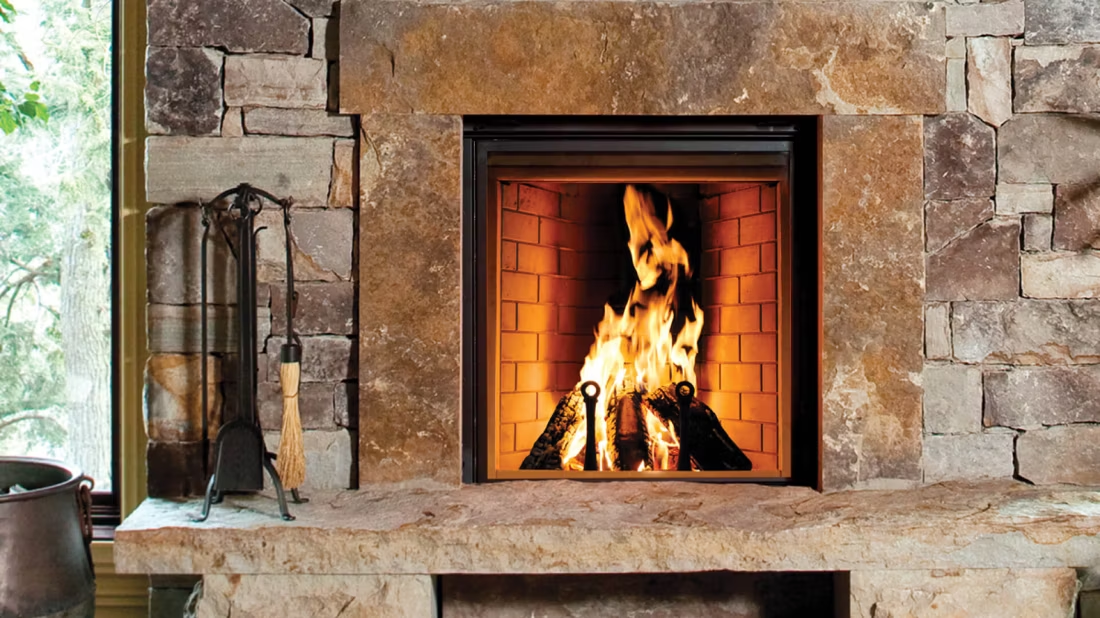
That said, wood heat has a real, if smaller, place in Aiken. Some homeowners want a wood-burning fireplace or stove for the atmosphere it brings on the handful of genuinely cold nights each winter. Others want it as backup heat for the occasional ice storm that knocks out power along the Savannah River valley. And a fair number of installs here are for weekend or lake properties where a rustic wood fire fits the setting. Local oak, pine, and hickory all make solid firewood if you do go this route—oak and hickory burn longer and hotter, pine lights easily and works well for shoulder-season fires.
Three steps. No salesperson until you're ready.
Tell us about your project
Your zip code, your situation, and the fuel you're leaning toward—or let the answers point you to one.
See what's actually available
The brands dealers within 100 miles genuinely carry—real options, never a catalog mirage.
Get your dealer & Project Guide
A trusted local dealer, plus the free Project Guide & Parts List that names every component of the job.
Frequently Asked Questions
Is wood heat actually common in Aiken, SC?
Not really, and we'd rather tell you that upfront than pretend otherwise. With an average winter low around 32°F and a winter heating season that's about as short and gentle as it gets, Aiken sits firmly in a mild climate zone (3A) where central heat pumps and gas systems handle the vast majority of homes. Wood stoves and fireplaces exist here, but they're chosen for ambiance, occasional backup heat, or a specific aesthetic—not because the climate demands them the way it does in a place like Burlington, Vermont.
How much does a wood stove installation cost in Aiken?
Because wood heat is a smaller niche here than in colder markets, pricing tends to vary more by dealer and project scope than by regional demand. A basic freestanding wood stove with a new Class A chimney typically runs in the $3,500–$7,000 range. Converting an existing masonry fireplace with a wood-burning insert is often less, since it can reuse the existing flue with a stainless liner. Homes without any existing fireplace or chimney chase will land toward the higher end once framing and roof penetration are factored in. A local dealer can quote your specific setup after an in-home look.
What size wood stove do I actually need in Aiken's climate?
Smaller than you'd need up north. Since most Aiken homes only need supplemental heat on the coldest nights rather than round-the-clock warmth, a small to medium stove (rated for 1,000–1,500 square feet) is plenty for most living rooms or dens, even in a larger home. Sizing a stove for whole-home primary heat the way you might in a much colder, longer-winter climate would leave you overheating the room on all but the rare hard freeze. A local retailer can size it correctly based on your room and how you actually plan to use it—ambiance most nights, real heat on the few that get genuinely cold.
Do I need a permit to install a wood stove in Aiken?
Most likely yes—new wood-burning appliance installations typically require a building permit through the City of Aiken or Aiken County building department, depending on where your property sits. The permit process checks clearances, hearth pad specs, and chimney venting for code compliance. Most local hearth dealers include permitting as part of the installation, so you generally won't need to file paperwork yourself.
What firewood species work best around Aiken?
Oak and hickory are the local standards for anyone burning wood seriously—both are dense hardwoods that burn hot and long, which matters if you're using the stove for real backup heat during an ice storm. Pine is abundant in the area and easy to source, but it burns faster and leaves more creosote if not properly seasoned, so it's better suited to quick ambiance fires than overnight burns. Whatever you burn, make sure it's seasoned at least 6–12 months—humid Lowcountry-adjacent air means green wood takes longer to dry than it would in a drier climate.
Are there air quality restrictions on wood burning in Aiken?
No—Aiken doesn't have the winter inversion or non-attainment issues that trigger burn curtailment programs in some Western cities. There's no local equivalent of a yellow or red burn day advisory here. That said, any new stove you install still needs to meet current EPA emissions standards, which is standard nationwide and mostly affects which models a dealer will sell you, not whether or when you can burn.
Wood stove or gas fireplace—which makes more sense for an Aiken home?
For most Aiken households, gas is the more practical everyday choice—it lights instantly, requires no wood storage or ash cleanup, and fits a climate where you might only want supplemental heat a few dozen nights a year. Wood makes more sense if you specifically want the experience of a real fire, want heat that works without electricity during an ice storm, or are outfitting a cabin-style or lake property where a wood stove fits the character of the place. A number of local homeowners end up with gas in the main living space and consider wood only for a den, workshop, or secondary property.
Can a wood stove serve as backup heat during Aiken ice storms?
Yes, and it's one of the better reasons to install one here. Ice storms occasionally roll through the CSRA and can knock out power for days at a time, and a wood stove is one of the few heat sources that keeps working when the grid doesn't. If backup heat is your main motivation, prioritize a simpler, more mechanical stove design over one with electronic blowers or thermostats, and make sure it's sized to actually heat the room you'll be sheltering in, not just look good on the hearth.
Where can I buy firewood in Aiken?
Firewood suppliers around Aiken and the surrounding county typically sell mixed hardwood loads—often a combination of oak, hickory, and pine—by the rick or cord, with local pricing generally running lower than in wood-dependent Western markets given how little of the county's heating load actually depends on it. If you're only burning occasionally for ambiance, buying a rick or two as needed usually makes more sense than stocking a full cord for the season.
Why is my open fireplace making my house colder?
Open fireplaces suck—literally. As the fire burns, it consumes air your furnace already paid to heat and pulls it out through the chimney, so the house is actually colder after the fire goes out than before you lit it. An insert fixes this: it seals the chimney, puts fixed glass across the front, and turns that hole in your house into a real heat source.
Why is a fireplace insert so efficient?
An insert does two things: it seals the chimney completely, so you stop losing air you already paid to heat, and it radiates warmth into the room through the firebox and glass. Most add a heat-exchange fan that pulls cool room air underneath, wraps it around the hot firebox, and pushes it back out warm. Your home is more efficient before you've even lit the first fire.
Can I install a fireplace myself?
If you're putting a fire in your house on purpose, it's best to work with an expert. Unless you're genuinely experienced in framing, gas line, vent pipe, and the national code on clearances to combustibles, have a professional do it—and ideally the same company that sells you the fireplace, so warranty, service, and liability all live under one roof.
What is an in-home preview and do I need one?
It's a visit where a hearth professional measures your space, confirms the model you picked actually works in your home, and walks the specs—framing, gas line, venting, finish work—before anything is ordered. Some details you just can't know until you see the house. Never make a down payment without one; it's the single most-skipped step that burns buyers.
Nearby Dealers
Hearth shops serving Aiken and the surrounding area. Every listing shows whether it is a WhyFire partner, a dealer we have verified as authorized for the brands we recommend, or a local business carrying hearth products. No manufacturer pays for placement. How we verify dealers →
Holley Heating & Air
Fireside Outdoor Kitchens
Advanced Chimney Sweep, LLC
Thompson Gas
Augusta Overhead
Find your wood fireplace in Aiken.
Tell us a bit about your home and how you'd actually use a wood stove or insert—ambiance, backup heat, or both—and we'll match you with a trusted local dealer and a free Project Guide & Parts List for your Aiken installation.
Find Your Fireplace →