
Running out of pellets in a January cold snap is a miserable week. The store is sold out, the delivery truck is booked, and your stove sits there with an empty hopper.
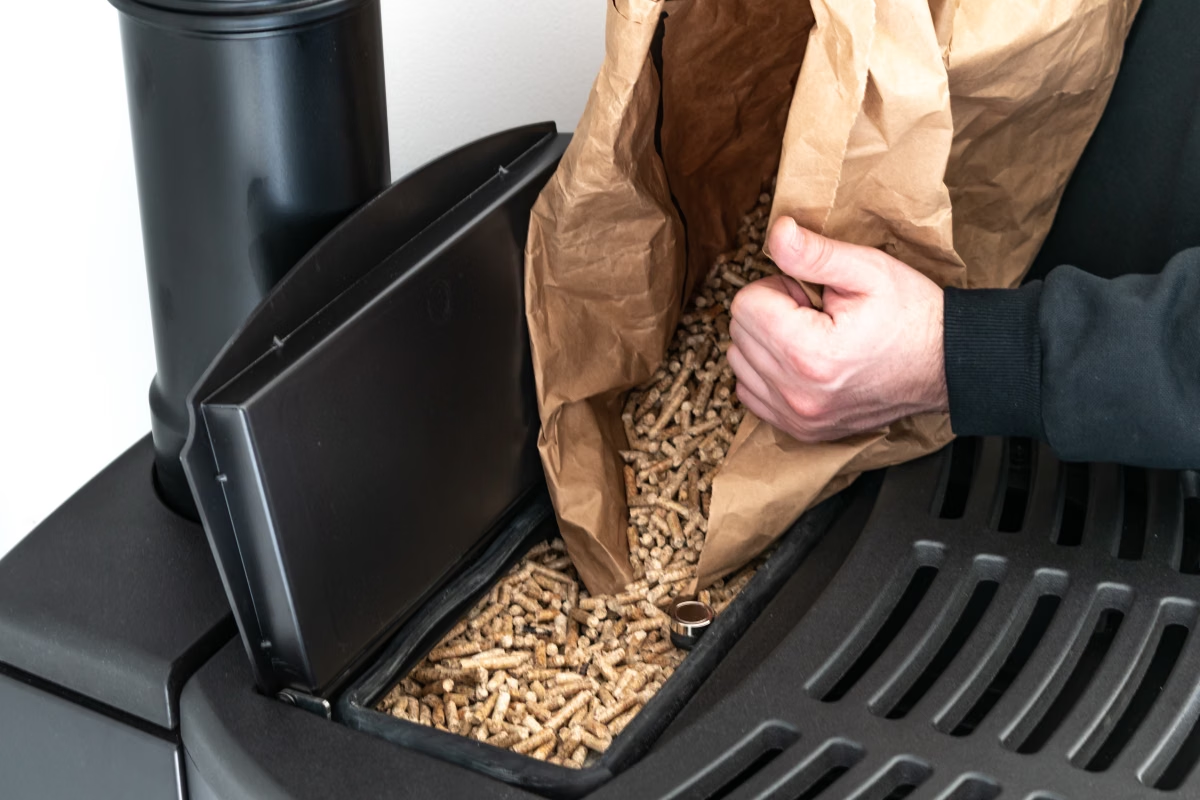
The good news is that it's completely avoidable. One of the best things about a pellet stove is how simple the fuel is—pour in a bag, and the stove does the rest. The only thing it asks of you is a little planning in the fall.
How Pellets Are Sold
In most places, pellets come in 40-pound bags, and 50 bags make a ton. You can buy a few bags at a time, but most people who heat with pellets buy by the ton, often on a pallet. It's cheaper per bag, and you only have to think about it once.
A standard pallet is about 4 feet by 3.5 feet, stacked roughly chest high. Clear the space in your garage before the truck arrives.
How Many Do You Need?
That depends on three things: how cold your winter is, how big and well-sealed your home is, and whether the pellet stove is your main heat or just warms the room you live in.
Your best estimate is last year's usage. If you know how many bags you burned, you know your number, plus a little extra in case this winter runs colder. If you're new to pellets, ask the dealer who sold you the stove, or a neighbour with a similar house. A stove that heats a whole home in a cold climate burns far more than one that takes the chill off a family room.
Here's a simple habit that makes next year easy: Put a tally mark on the garage wall for every bag you burn.
When in doubt, buy a bit more than you think you'll need. Pellets store well as long as they stay dry, and leftovers carry into next season.
What the Grade on the Bag Means
Pellets are graded, and the grade is printed right on the bag. The main thing it tells you is ash content—how much is left in the burn pot once the pellets are gone.
Premium grade is the standard most stoves are designed for. Low ash means less cleaning and a steadier fire. Lower grades leave more ash behind, which means cleaning the burn pot more often, and some stoves get fussy with them. Your owner's manual will tell you which grade your stove needs.
Hardwood versus softwood matters less than most people think. Softwood pellets often burn hotter, and consistency and low ash matter more than the tree they came from. Different brands really do burn differently in the same stove, though. When you find one your stove likes, with a steady flame and little ash, stick with it. (And keep the stove itself clean. Here's why a clean pellet stove is a happy pellet stove.)
Buy Early
Pellet supply tightens when the cold arrives and everyone buys at once. September and October are the easy months, with better availability and sometimes better prices. Some retailers even offer early-season pricing or delivery.
Keep Them Dry
Pellets are compressed sawdust. They stay firm as long as they stay dry. Let moisture in and they swell back into sawdust, which jams the auger, burns poorly, and makes more ash.
So store them indoors or under cover—a garage, shed, or basement works well. Keep them off bare concrete, which wicks moisture into the bottom bags. Leaving them on the pallet solves that, or you can lay boards underneath. Leave the bags sealed until you use them, since the plastic is your moisture barrier. Keep them away from walls that sweat in cold weather, and use any torn bags first.
The Quick Math
Take the bags you burned last winter, add a little, and divide by 50. That's how many tons to order.
Then measure your storage space, pick a dry spot off the floor, and book your delivery before the first frost. If you're still deciding whether pellets are the right fuel for your home, our pellet stove vs. wood stove comparison walks through the trade-offs.
See the pellet units trusted local dealers carry near you—plus the free Project Guide & Parts List.
Enter your postal code