
Gas Heat That Matches Butler County's Energy Roots.
Instant, reliable heat for the long, cold winters western Pennsylvania brings. Find the right gas fireplace or insert, and get matched with a trusted local dealer.
Every Project Starts From One of These Five Situations
Natural gas runs deep here—literally.
Homeacre-Lyndora sits in the heart of Butler County, a part of Pennsylvania whose ground is threaded with Marcellus Shale gas wells and a century-plus of oil-and-gas history. At 1,216 feet on the Allegheny Plateau, winters here average a 17°F overnight low with a long, cold heating season comparable to Buffalo, NY in terms of sustained cold. Unlike a lot of towns in the region, wood heat never really took hold here at scale; between the density of housing in Homeacre-Lyndora and Lyndora and the sheer availability of piped gas, most homeowners went straight to gas as their supplemental or primary heat source.
Most homes in this part of Butler County are served by natural gas utility infrastructure, with electric service from West Penn Power and Pennsylvania Power Co filling in for backup ignition and central HVAC. A direct-vent gas fireplace or insert gives you real, instant heat without chimney maintenance, ash cleanup, or the wood-supply logistics that just aren't part of daily life here—and with the right ignition system, it can keep working through a winter ice storm even if the power on your street doesn't.
Three steps. No salesperson until you're ready.
Tell us about your project
Your zip code, your situation, and the fuel you're leaning toward—or let the answers point you to one.
See what's actually available
The brands dealers within 100 miles genuinely carry—real options, never a catalog mirage.
Get your dealer & Project Guide
A trusted local dealer, plus the free Project Guide & Parts List that names every component of the job.
Frequently Asked Questions
How much does a gas fireplace installation cost in Homeacre-Lyndora?
Installations in this part of Butler County typically run $3,500 to $9,000, similar to pricing across western Pennsylvania. A direct-vent insert going into an existing masonry fireplace with gas already run to the house lands on the lower end. A new built-in gas fireplace for a remodel or addition—with framing, venting, and a fresh gas line—sits in the middle to upper range. Homes that need a longer gas line run from the meter, or a propane tank setup for properties without natural gas service, push toward the higher end. A local dealer will confirm the number after an in-home look at your venting path.
Can I convert my existing wood fireplace to gas?
Yes, and it's a common project in older Homeacre-Lyndora and Butler-area homes built in the early-to-mid 1900s, many of which still have a masonry fireplace that's rarely used. A gas insert slides into that opening and uses a stainless liner run through your existing chimney for venting, so the exterior look of the house doesn't change. Given how few homes in this area burn wood as a regular heat source anymore, this conversion is often less about replacing wood heat and more about finally getting real, usable warmth out of a fireplace that's mostly been decorative for years.
Do I need natural gas service, or can I use propane?
Most homes in Homeacre-Lyndora already have natural gas service—Butler County's dense network of gas infrastructure, a legacy of the region's drilling history, means the majority of houses here are already plumbed for a furnace, water heater, or range. If your home already has gas, adding a fireplace or insert is usually a straightforward tie-in. For the smaller number of properties on the edges of the service area without a gas line, propane is a workable substitute, using a tank installed by a local propane supplier. Most fireplace models can be set up for either fuel with the correct orifice.
Will my gas fireplace work during a power outage?
Most will, with the right ignition system. Units with IPI (intermittent pilot ignition) run on a battery backup that kicks in automatically if the power drops, which matters here given that West Penn Power and Pennsylvania Power Co lines through this part of Butler County can go down during winter ice events. Valor fireplaces take a different approach: their pilot generates its own electricity through the thermocouple, so there are no batteries to remember or replace. Either way, ask your local dealer which ignition system is on the model you're considering before you buy.
What's the difference between a gas fireplace, gas insert, and gas stove?
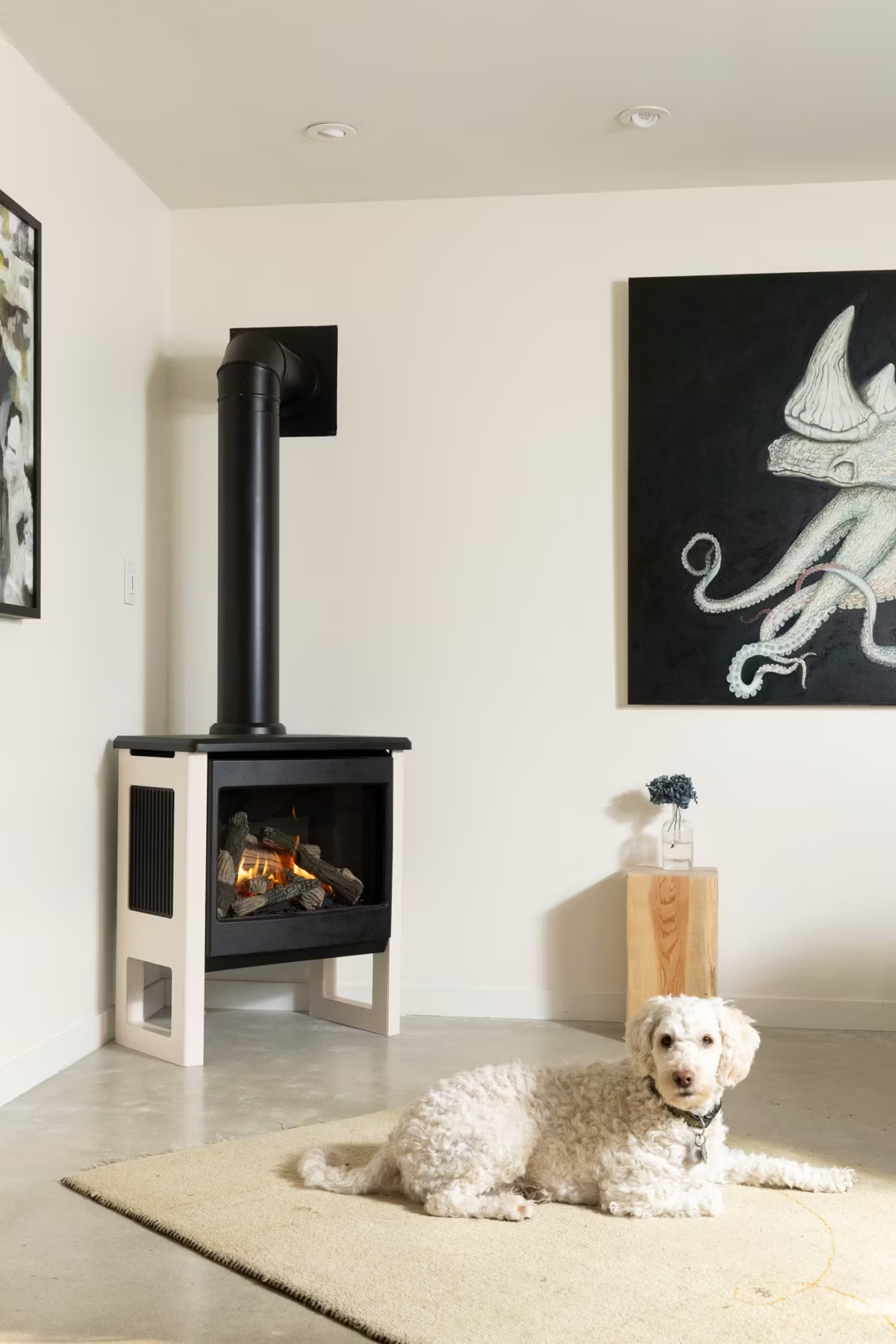
A gas fireplace is a fully built-in unit framed into a wall, typically chosen for new construction or a remodel. A gas insert is sized to slide into an existing masonry fireplace opening, converting it into a sealed, efficient heat source that vents through the existing chimney. A gas stove is a freestanding cabinet-style unit that sits on the floor, similar in footprint to a wood stove but running on gas. For the older housing stock common in Homeacre-Lyndora, an insert is usually the fit; for a new addition or a home without an existing fireplace, a built-in unit or freestanding stove makes more sense.
Do I need a permit to install a gas fireplace in Homeacre-Lyndora?
Yes—a building permit and a gas line permit are both typically required, and depending on which side of the community your address falls on, that's handled through either the Center Township or Butler Township building permit office, since Homeacre-Lyndora is an unincorporated community split across the two. Any gas line work has to be done by a licensed gas-fitter. Working with a certified hearth dealer simplifies this considerably—they coordinate the gas line, venting, and inspection sign-off together instead of leaving you to manage separate trades.
What's the difference between vented and vent-free gas fireplaces?
Vented (direct-vent) gas fireplaces pull combustion air from outside and exhaust the byproducts back outside through a sealed pipe—the cleanest, safest option and the one most local dealers install by default. Vent-free units burn directly into the room without external venting; they're legal in Pennsylvania and permitted under the applicable code, but they require correct room-volume sizing and an oxygen depletion sensor, and they add moisture and combustion byproducts to indoor air. Homeacre-Lyndora doesn't carry any particular air quality restrictions, but for a tightly built modern home, direct-vent is still the more universally recommended choice. Ask a local dealer to walk you through both.
How often should my gas fireplace be serviced?
Plan on an annual inspection, ideally before the coldest stretch of the season hits. A certified technician checks the burner, pilot assembly, venting, and any electronic ignition components, and cleans the glass and firebox interior. It's a much smaller job than chimney sweeping for a wood unit, but skipping it is how pilot and ignition problems go unnoticed until the coldest night of the year. Local gas appliance service providers in the Butler area typically charge $150 to $250 for this visit.
Should I consider wood or pellet heat instead of gas?
For most homes in Homeacre-Lyndora, no—wood and pellet heat just aren't a common fit here. Between the housing density, the lack of a strong local wood-cutting culture, and how thoroughly natural gas infrastructure covers this part of Butler County, very few homeowners install wood stoves or pellet appliances as anything more than a rare secondary interest. If you already have a woodlot or a strong preference for burning cordwood, it's not impossible, but you'll likely have a harder time finding a dealer who stocks and services wood or pellet units locally compared to the ready supply of gas hearth products and installers in the area.
Why is a fireplace insert so efficient?
An insert does two things: it seals the chimney completely, so you stop losing air you already paid to heat, and it radiates warmth into the room through the firebox and glass. Most add a heat-exchange fan that pulls cool room air underneath, wraps it around the hot firebox, and pushes it back out warm. Your home is more efficient before you've even lit the first fire.
Can I put a TV above my fireplace?
Yes—with an asterisk. Fireplaces are hot and TVs don't like heat. Either put a mantel between them to deflect rising warmth, or choose a fireplace with heat-management technology that creates a cool zone on the wall above—the wall stays around 125 degrees, barely warm, while the room still gets full heat. If you like clean lines and don't want a mantel, heat management is the answer.
What is an in-home preview and do I need one?
It's a visit where a hearth professional measures your space, confirms the model you picked actually works in your home, and walks the specs—framing, gas line, venting, finish work—before anything is ordered. Some details you just can't know until you see the house. Never make a down payment without one; it's the single most-skipped step that burns buyers.
Does a fireplace add value to my home?
On average, a fireplace adds back to the home about the same amount you spent installing it. Add the monthly savings from heating the rooms you actually use instead of the whole house—often hundreds of dollars a year—and the value case is strong before you even count what a fire does for how your family uses the room.
Nearby Dealers
Hearth shops serving Homeacre-Lyndora and the surrounding area. Every listing shows whether it is a WhyFire partner, a dealer we have verified as authorized for the brands we recommend, or a local business carrying hearth products. No manufacturer pays for placement. How we verify dealers →
Home Improvement Center
Fireplace And Patio Place
Suburban Insulation
Northern Woodworking
Halls Pools & Fireplaces
Soot Seekers Chimney Service
Buck Stove & Fireplace
Find your gas fireplace in Homeacre-Lyndora.
Tell us a bit about your home and we'll put together a free Project Guide & Parts List—the exact parts, vent kit, and recommended local dealer for your gas fireplace project in Homeacre-Lyndora.
Find Your Fireplace →