
Electric heat for the rooms wood and gas can't reach.
A no-chimney, no-gas-line option for additions, bedrooms, and cabins scattered across Lake County's high desert—from Lakeview to Christmas Valley. Find the right unit and connect with a trusted local dealer.
Every Project Starts From One of These Five Situations
A supplemental option in wood country.
Lake County covers roughly 8,000 square miles of Oregon's high desert outback but holds only about 3,792 residents spread across Lakeview, Paisley, Christmas Valley, Silver Lake, and Adel—one of the least densely populated counties in the state. At 4,800 feet elevation with 6,830 heating degree days and winter lows averaging 22°F, the climate here runs closer to Bismarck, ND than to the Willamette Valley. Wood remains the backbone of heating for most households, helped along by cheap cutting permits through BLM Lakeview District, Fremont-Winema National Forest, and Modoc National Forest. Electric fireplaces aren't the primary heat source for most homes here, but they fill real gaps—a converted bedroom, a ranch office, a rental cabin near Summer Lake, an outbuilding that doesn't justify a chimney or a propane line.
The appeal is practical rather than romantic: no venting, no chimney sweep, no cutting permit to renew every spring. A plug-in or wall-mount unit heats a single room on demand, which suits Lake County's mix of older ranch houses, additions, and manufactured homes where running new gas or masonry work isn't worth the cost. The honest caveat is that electric fireplaces depend entirely on grid power, and rural Lake County sees winter line outages from ice and wind that can last hours or longer. In a county built around wood as backup heat, an electric unit should be treated as zone heat or ambiance—not the plan for the night the power goes out.
Three steps. No salesperson until you're ready.
Tell us about your project
Your zip code, your situation, and the fuel you're leaning toward—or let the answers point you to one.
See what's actually available
The brands dealers within 100 miles genuinely carry—real options, never a catalog mirage.
Get your dealer & Project Guide
A trusted local dealer, plus the free Project Guide & Parts List that names every component of the job.
Frequently Asked Questions
How much does an electric fireplace installation cost in Lake County?
Plug-in freestanding or mantel-style electric fireplaces typically run $400 to $1,200 including the unit and setup, since most just need an existing outlet. Built-in or wall-recessed models that require a dedicated 20-amp circuit run higher—often $1,200 to $2,500—once an electrician is brought in, which is common in older Lakeview and Paisley homes with limited existing capacity. Because Lake County is sparsely populated, expect a modest travel charge if your installer or electrician is coming from Lakeview to a more remote property near Christmas Valley or Adel.
Do I need a permit to install an electric fireplace in Lake County?
Usually not for a plug-in unit—it's treated like any other appliance. If you're adding a hardwired built-in that requires a new dedicated circuit, an electrical permit through the Lake County Building Department is typically required for that wiring work, and a licensed electrician will usually pull it as part of the job. There's no combustion, so none of the wood-stove or gas-line permitting that applies elsewhere in the county comes into play here.
Will an electric fireplace keep my home warm if the power goes out?
No—and this matters more in Lake County than in most places. Electric fireplaces run entirely on grid power, and rural stretches of the county lose power during winter wind and ice events, sometimes for extended periods. If backup heat during an outage is the priority, a wood stove is the more realistic choice given how common self-cut firewood and Forest Service permits already are here. Electric fireplaces work well for everyday supplemental warmth in a room, but they shouldn't be your only heat plan for a storm night.
How much space can an electric fireplace actually heat?
Most electric fireplaces are rated to heat a single room—roughly 400 to 1,000 square feet depending on the model and insulation. At Lake County's 6,830 heating degree days and winter lows in the low 20s, that's realistic for a bedroom, den, or small addition, but not for heating an entire ranch house or a drafty older home in Lakeview or Silver Lake. Think of it as zone heat for one space rather than a whole-house solution.
Electric vs. wood—which makes sense for my Lake County property?
Wood remains the practical default across most of Lake County: it works without power, pairs with inexpensive BLM and Forest Service cutting permits ($5 to $20 per cord in most districts), and handles whole-house heating in the county's coldest stretches. Electric fireplaces don't require a chimney, a woodpile, or any permit for a plug-in unit, and they're far simpler to run—flip a switch and it's warm. For a converted room, a rental cabin, or a space where you want heat without the upkeep, electric is a good fit. For primary heat on a property that might lose power for a day or two, wood is still the more resilient choice out here.
What type of electric fireplace fits Lake County homes best?
For additions and bedrooms, a wall-mount or recessed built-in gives a clean, modern look without eating into floor space. For rental cabins near Summer Lake or Lake Abert, a freestanding mantel-style unit is easiest to move and requires no wiring changes. For ranch offices or outbuildings that already have adequate electrical service, a built-in insert can replace an old, rarely-used masonry fireplace with something that actually gets used daily. A local dealer can walk through which option suits your specific space and existing wiring.
How much does it cost to run an electric fireplace day to day?
Electric fireplaces are inexpensive to operate compared to central heating a whole house, since most only draw around 1,500 watts on the heat setting. Running one for several hours a day in a single room adds a modest amount to a monthly electric bill—a fraction of what it costs to heat the same square footage with central electric heat. For occasional supplemental use in a Lake County bedroom or den, the operating cost is usually the least of the considerations compared to install cost and the room's actual heating needs.
Can an electric fireplace be added to an older or manufactured home in Lake County?
In most cases, yes. Plug-in units need nothing more than a standard outlet, which makes them a common choice for the manufactured and older ranch homes common in Lakeview, Paisley, and Christmas Valley. Built-in units drawing more power may require a panel check first—some older rural homes have limited electrical capacity, and an electrician can confirm whether the existing service can support a new dedicated circuit before you commit to a built-in model.
Electric vs. pellet stove—which is better for supplemental heat here?
Pellet stoves burn regionally available pellets (Bear Mountain, Lignetics, and Pacific Pellet are all sold in the area) and put out real heat output for a whole room or small home, but they still require electricity to run the auger and blower—so they share the same outage limitation as electric fireplaces. Electric fireplaces are simpler still: no hopper to fill, no ash to clean, and no venting at all. If you want genuine supplemental heat output for a larger room, pellet often wins; if you want the lowest-maintenance option for ambiance and light warmth in a smaller space, electric is easier to live with.
Do electric fireplaces actually produce heat?
Yes—most put out around 4,800–5,000 BTUs from a standard outlet, which comfortably warms a bedroom, office, or den as a comfort-zone heater. What they won't do is carry a whole house the way wood, gas, or pellet can. Think of electric as ambiance-first with honest supplemental heat: flames on with no heat in July, flames plus warmth in January.
Can I put a TV above my fireplace?
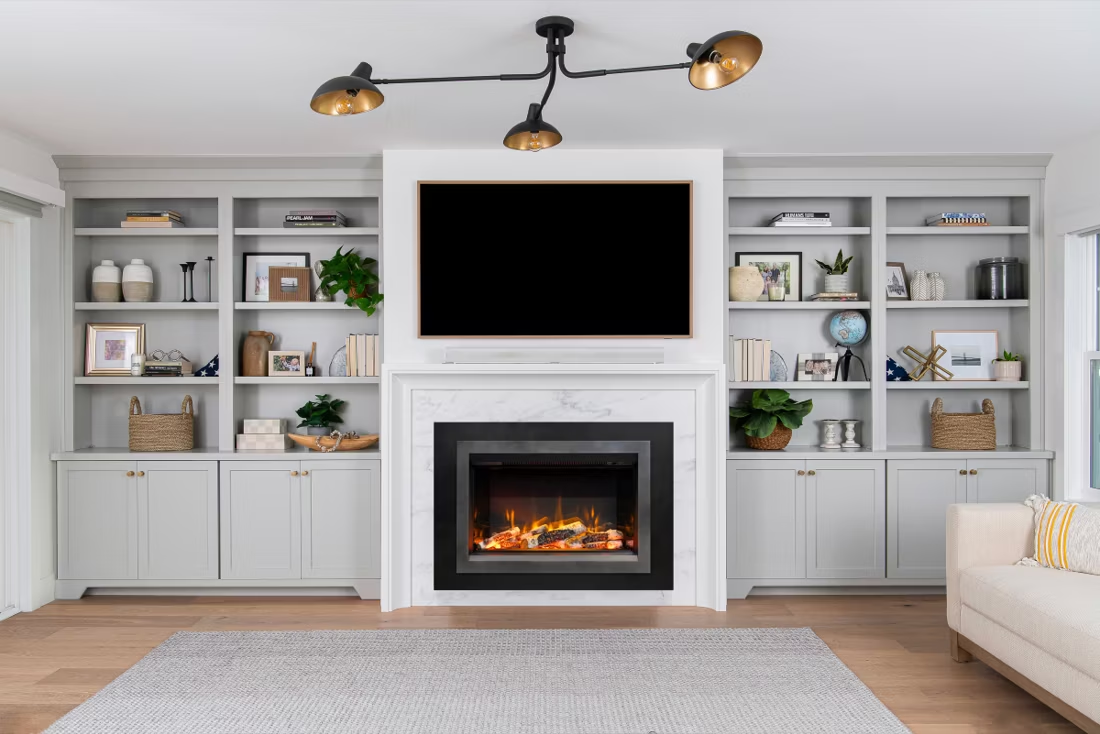
Yes—with an asterisk. Fireplaces are hot and TVs don't like heat. Either put a mantel between them to deflect rising warmth, or choose a fireplace with heat-management technology that creates a cool zone on the wall above—the wall stays around 125 degrees, barely warm, while the room still gets full heat. If you like clean lines and don't want a mantel, heat management is the answer.
Does a fireplace add value to my home?
On average, a fireplace adds back to the home about the same amount you spent installing it. Add the monthly savings from heating the rooms you actually use instead of the whole house—often hundreds of dollars a year—and the value case is strong before you even count what a fire does for how your family uses the room.
Can I install a fireplace myself?
If you're putting a fire in your house on purpose, it's best to work with an expert. Unless you're genuinely experienced in framing, gas line, vent pipe, and the national code on clearances to combustibles, have a professional do it—and ideally the same company that sells you the fireplace, so warranty, service, and liability all live under one roof.
Find your electric fireplace in Lake County.
Tell us a bit about your space and we'll match you with the right electric fireplace or insert—and hand you a free Project Guide & Parts List built around your home and a trusted local dealer.
Find Your Fireplace →