
Clean-Burning Heat for the Great Miami Valley.
From Troy to Piqua to Tipp City, pellet stoves give Miami County homeowners steady, thermostat-controlled heat without splitting or stacking cordwood. Tell us about your home and we'll match you with a trusted local dealer.
Every Project Starts From One of These Five Situations
Steady heat without the wood-splitting work.
Miami County sits in climate zone 5A along the Great Miami River, with roughly 5,406 heating degree days and an average winter low around 21°F. That's a real Midwest winter—cold enough that heating costs matter from late October through March—but it's a more moderate cold than places like Madison, Wisconsin, where wood-burners need 24-hour catalytic burn times just to survive overnight lows. That moderate profile is exactly where pellet appliances shine: a 40- to 60-pound hopper can carry a home through a Miami County night without anyone tending a fire at 2 a.m.
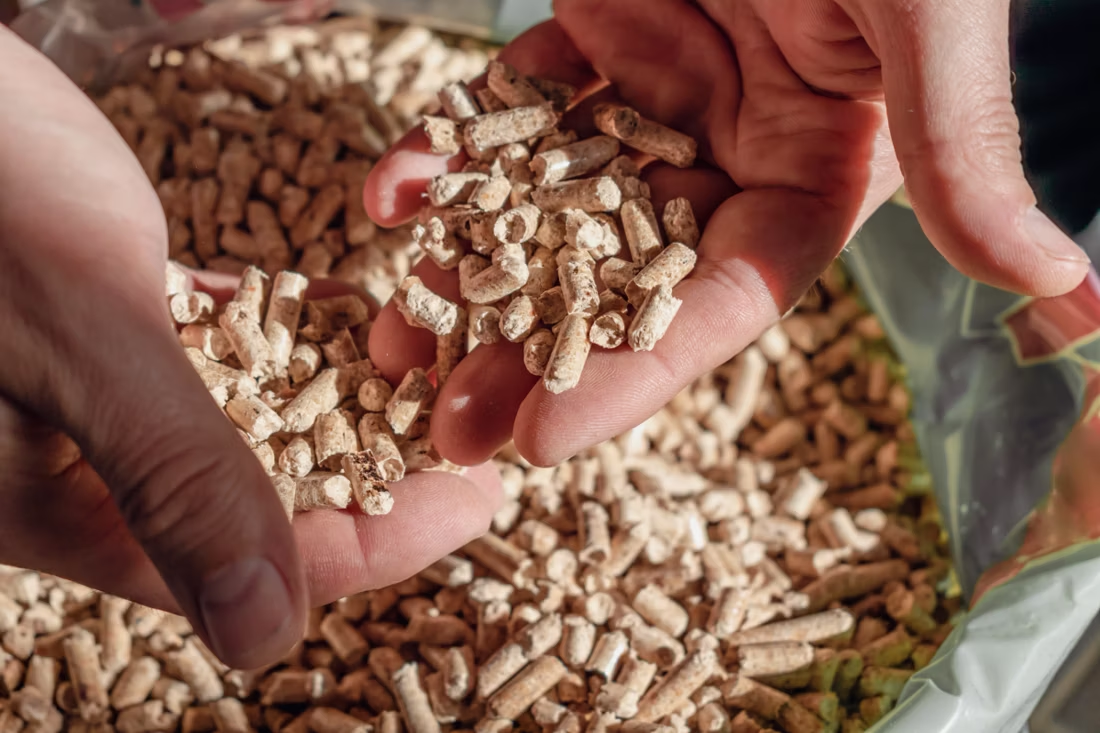
The region's hardwood mix of oak, hickory, maple, and cherry supports a healthy sawmill and biomass industry across western Ohio, which is part of why pellet supply here is reliable—regional producers and distributors including Indeck Energy Services, Lignetics, and Somerset Pellet Fuel serve the area, and most hearth retailers in Troy and Piqua stock bagged pellets by the ton or partial pallet. Miami County has no air quality non-attainment designations or winter burn curtailment periods, so unlike wood-burning regions out West, there's no risk of being told to stop burning on a given day—pellet or wood, you're free to run your stove whenever the weather calls for it.
Three steps. No salesperson until you're ready.
Tell us about your project
Your zip code, your situation, and the fuel you're leaning toward—or let the answers point you to one.
See what's actually available
The brands dealers within 100 miles genuinely carry—real options, never a catalog mirage.
Get your dealer & Project Guide
A trusted local dealer, plus the free Project Guide & Parts List that names every component of the job.
Frequently Asked Questions
How much does a pellet stove installation cost in Miami County?
Pellet stove installations in Miami County typically run in the $3,000 to $6,000 range for a freestanding unit, depending on the stove model and whether venting needs to run through an exterior wall or up through the roof. A pellet insert going into an existing masonry fireplace usually runs a bit higher, often $4,000 to $7,500, since it involves fitting the unit and vent liner to the existing chimney opening. Pellet venting is simpler than wood-stove chimney work—most installs use a smaller-diameter PL vent pipe rather than full Class A chimney—which tends to keep labor costs down. A local dealer will give you a firm number after seeing your home; that's part of the free Project Guide & Parts List we put together for every match.
What size pellet stove do I need for my Miami County home?
Most Miami County homes fall comfortably into the mid-size pellet stove category—units rated for 1,000 to 2,000 square feet handle a typical Troy or Piqua ranch or two-story colonial without issue, given the area's 5,406 heating degree days and winter lows around 21°F. Larger, older farmhouses out toward Covington, Bradford, or Pleasant Hill with less insulation may need a stove on the higher end of that range, or a second heat source for the coldest stretches of January. Hopper capacity matters as much as BTU output here: a 40-pound hopper on a low setting can run 24 hours or more, which matters if you want the stove to carry through an overnight without a refill. A local dealer will size the unit to your square footage and insulation level during an in-home visit.
Where can I find certified pellet stove installers near me?
Look for installers with NFI (National Fireplace Institute) pellet-specific certification, which covers proper venting, clearance-to-combustible requirements, and electrical hookup for the auger and blower motor. Retailers serving Miami County out of Troy and Piqua generally handle both the sale and installation as a package, which keeps warranty coverage and code compliance under one roof. Because pellet stoves rely on continuous power for the auger, hopper feed, and combustion blower, a qualified installer will also talk you through electrical placement—not something a general handyman install typically accounts for.
What's the difference between a pellet stove and a pellet insert?
A pellet stove is a freestanding unit that sits on its own pad and vents through a wall or up through the roof—it can go almost anywhere in a room with the right clearances. A pellet insert is built to slide into an existing masonry fireplace opening, using a vent liner run up through your current chimney. For Miami County homes with an older wood-burning fireplace that rarely gets used, an insert is often the more practical choice—it reuses the existing masonry opening and hearth rather than adding a new appliance footprint to the room. Homes without an existing fireplace, or new construction, are usually better suited to a freestanding stove.
Do I need a permit to install a pellet stove in Miami County?
Yes—a building permit is generally required for a new pellet stove or insert installation, handled through the local building department covering your municipality or, for unincorporated areas, the county building regulations office based in Troy. Most hearth retailers who sell and install pellet appliances in Miami County will pull the permit as part of the job, so it's rarely something homeowners have to manage themselves. Because Miami County has no air quality non-attainment status, there are no curtailment periods or burn bans to worry about once the stove is installed and inspected.
What's the best pellet stove for Miami County's climate?
With winter lows averaging around 21°F and roughly 5,406 heating degree days, Miami County doesn't demand the extreme-cold engineering that some Northern Plains or mountain-climate homes need—but a stove with a 40-pound-plus hopper and a reliable auger feed system will still carry most homes through overnight lows without a refill. Brands like Harman, Enviro, and Lopi are commonly stocked by regional dealers and offer a range of hopper sizes and BTU outputs suited to this climate. For homes that see frequent winter power interruptions, ask your dealer about a battery backup or small generator setup, since pellet stoves—unlike wood stoves—won't run at all without electricity.
How often should my pellet stove be cleaned and serviced?
Pellet stoves need more frequent attention than wood stoves, just less intensive work. Plan on emptying and brushing out the burn pot every few days during heavy use, a deeper interior cleaning of the ash trap and heat exchanger tubes every few weeks, and a full professional service—including venting inspection and auger check—once a year, typically before the start of the heating season in early fall. Skipping regular ash and burn pot cleaning is the most common cause of poor pellet ignition and reduced heat output, so it's worth staying on top of even though it's a lower-stakes maintenance job than an annual chimney sweep.
Where can I buy pellets in Miami County?
Bagged pellets are available through hearth retailers in Troy and Piqua as well as farm supply and hardware stores across the county, typically sold by the 40-pound bag or by the ton on pallets. Regional producers and distributors including Indeck Energy Services, Lignetics, and Somerset Pellet Fuel supply much of the Midwest market, drawing on the same oak, hickory, and maple sawmill byproduct that's abundant in western Ohio's hardwood belt. Pricing fluctuates seasonally and by brand, so it's worth asking your local dealer for current per-ton pricing and whether they offer pre-season buy-ahead discounts.
Pellet stove vs. wood stove—which is right for my Miami County home?
Wood stoves work without electricity, which matters during winter storm outages, and they pair well with the abundant oak, hickory, maple, and cherry firewood available across the county—but they require cutting, stacking, and hands-on fire tending. Pellet stoves offer thermostat-like convenience, longer unattended burn times from a single hopper load, and less ash and mess, but they need continuous power to run the auger and blower, so a generator or battery backup is worth considering if outages are a concern in your part of the county. Since Miami County has no air quality restrictions on either fuel, the choice comes down mostly to how hands-on you want the heating routine to be—and either option is available through local dealers.
What's the difference between an insert and a zero-clearance fireplace?
An insert is a fireplace that slides into a pre-existing wood-burning fireplace—if you don't have one, there's nothing to insert it into. A zero-clearance fireplace is built into a framed wall, which makes it the answer for remodels and new construction. Simple test: existing masonry fireplace means insert; blank or framed wall means zero-clearance.
Why is my open fireplace making my house colder?
Open fireplaces suck—literally. As the fire burns, it consumes air your furnace already paid to heat and pulls it out through the chimney, so the house is actually colder after the fire goes out than before you lit it. An insert fixes this: it seals the chimney, puts fixed glass across the front, and turns that hole in your house into a real heat source.
Can I install a fireplace myself?
If you're putting a fire in your house on purpose, it's best to work with an expert. Unless you're genuinely experienced in framing, gas line, vent pipe, and the national code on clearances to combustibles, have a professional do it—and ideally the same company that sells you the fireplace, so warranty, service, and liability all live under one roof.
Does a fireplace add value to my home?
On average, a fireplace adds back to the home about the same amount you spent installing it. Add the monthly savings from heating the rooms you actually use instead of the whole house—often hundreds of dollars a year—and the value case is strong before you even count what a fire does for how your family uses the room.
Stove and Fireplace Dealers in Miami County
Pellet Brands Stocked Around Miami County
Manufacturers will point you to the nearest stocking dealer.
Find your pellet stove in Miami County.
Tell us a bit about your home and we'll match you with a trusted local pellet dealer and send over your free Project Guide & Parts List—the exact parts, vent kit, and recommended installer for your Miami County home.
Find Your Fireplace →