
Find your pellet stove in Highland County.
Automated, hopper-fed heat for Highland County's roughly 5,441 heating degree day winters—from Hillsboro to Greenfield and the townships in between. We match you with a trusted local dealer who can size the unit correctly and get it installed.
Every Project Starts From One of These Five Situations
Consistent heat without the woodpile.
Highland County sits in the rolling hill country of southern Ohio, in climate zone 5A, where winter lows average around 19°F and the heating season stretches well into spring—a load comparable to what homeowners in Madison, WI deal with most winters. Oak, hickory, maple, and cherry grow throughout the county and have long fueled traditional wood heat here, but pellet stoves have carved out a real niche for homeowners who want reliable, thermostatically controlled warmth without splitting, stacking, and hauling cordwood every season.
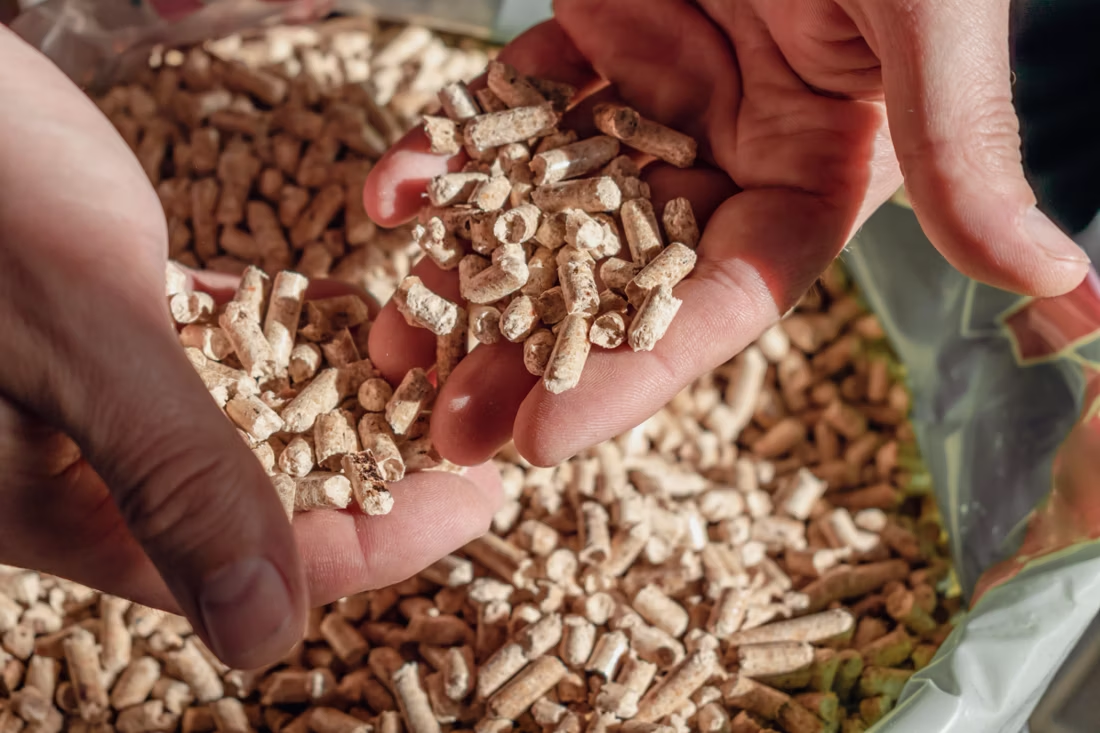
Regional pellet supply is solid for a county of Highland's size—brands like Indeck Energy Services, Lignetics, and Somerset Pellet Fuel are available through local dealers and area farm and hardware stores, so you're not driving to Columbus or Cincinnati every time the hopper runs low. A properly sized pellet insert or freestanding stove gives Hillsboro and Greenfield-area homes a clean-burning, low-ash heat source that runs for 24+ hours on a single hopper load—good supplemental heat for the county's long winters, and primary heat for homes built or retrofitted around it.
Three steps. No salesperson until you're ready.
Tell us about your project
Your zip code, your situation, and the fuel you're leaning toward—or let the answers point you to one.
See what's actually available
The brands dealers within 100 miles genuinely carry—real options, never a catalog mirage.
Get your dealer & Project Guide
A trusted local dealer, plus the free Project Guide & Parts List that names every component of the job.
Frequently Asked Questions
How much does a pellet stove installation cost in Highland County?
Pellet stove and insert installations in Highland County typically run in line with regional averages for southern Ohio—expect the total to depend heavily on whether you're installing a freestanding stove that needs new venting run through an exterior wall, or a pellet insert going into an existing masonry fireplace using the flue you already have. Inserts into an existing fireplace tend to run lower since less new venting work is required. A local dealer will give you a firm number after seeing your home, chimney or wall configuration, and hopper placement needs.
Do pellet stoves work well in Highland County's winters?
Yes. With average winter lows around 19°F and roughly 5,441 heating degree days a year, Highland County's climate is a solid match for pellet heat—it's a similar heating load to Buffalo, NY. Pellet stoves maintain a steady, thermostat-controlled burn rather than the cycling of a wood stove, which suits the long, moderately cold stretches typical of a southern Ohio winter rather than the extreme sub-zero snaps you'd see farther north or at high elevation. Most homeowners here run pellet as a primary heat source in a main living area or as reliable supplemental heat alongside a furnace.
What size pellet stove do I need for my Highland County home?
Sizing depends on square footage, insulation, and ceiling height, but as a general guide: small pellet stoves suit a single room or addition, medium units handle an open living area or ranch-style main floor common in Hillsboro and Greenfield, and larger units can serve as primary heat for a well-insulated whole home. Highland County's older farmhouses and county-road homes often run drafter than newer construction, so a local dealer's in-home sizing consultation matters more here than a square-footage chart—an undersized stove will run constantly and never quite catch up on a cold January stretch.
Where can I buy pellets in Highland County?
Regional brands including Indeck Energy Services, Lignetics, and Somerset Pellet Fuel are commonly stocked at farm supply stores and hardware retailers throughout the county, and most pellet stove dealers sell fuel directly or can point you to the closest reliable supplier. Buying a season's worth of bags in late summer or early fall, before demand picks up, is the standard local practice—pellet supply can tighten up during a hard cold stretch once everyone's hopper is running low at the same time.
Do I need a permit to install a pellet stove in Highland County?
Most pellet stove and insert installations require a building permit, since the unit involves venting through a wall or existing chimney and must meet current EPA emissions standards for pellet-burning appliances. A local, established dealer will typically handle the permitting as part of the installation, which is one of the practical reasons to work with a certified installer rather than attempting a DIY install—code compliance on venting placement and clearances isn't something to guess at.
How much electricity does a pellet stove use, and what happens during an outage?
Pellet stoves rely on an electric auger to feed fuel and a blower to distribute heat, typically drawing a modest amount of power similar to a box fan running continuously. That means they stop working during a power outage unless you have a battery backup or generator—worth planning for in Highland County, where winter storms occasionally knock out rural power lines for a stretch. Homeowners who want heat that works no matter what often pair a pellet stove for daily convenience with a wood-burning option elsewhere in the house, or invest in a small generator to keep the pellet unit running during extended outages.
How often does a pellet stove need to be cleaned and serviced?
Plan on cleaning the burn pot and ash removal weekly during regular use, a full glass and interior cleaning monthly, and a professional annual service that covers the auger, blower motor, gaskets, and venting system. Highland County's pellet dealers typically offer this service directly, and it's worth scheduling before the fall heating season starts rather than waiting until the unit is running daily. Neglecting the burn pot is the most common cause of poor pellet stove performance—it shows up as weak flame or excess ash buildup before anything else fails.
Pellet stove vs. wood stove—which is right for my Highland County home?
Wood stoves burn cordwood cut from the oak, hickory, maple, and cherry common throughout the county, work without electricity, and appeal to homeowners who value self-sufficiency or already have a supply of split wood on hand. Pellet stoves trade that off for convenience: load the hopper, set the thermostat, and get a consistent, low-maintenance burn with far less ash and no chimney creosote buildup to manage. For Highland County homes without a reliable firewood supply, or homeowners who want heat that runs itself through a busy week, pellet is usually the better fit. For rural properties where power outages are more common and wood is already on hand, a wood stove has the edge as true backup heat.
Can a pellet insert go into my existing fireplace?
In most cases, yes. A pellet insert is designed to slide into an existing masonry fireplace opening and vent through the existing chimney using a proper liner, which converts an old, inefficient open hearth into a controlled, thermostatic heat source. This is a common upgrade for older Highland County homes, particularly farmhouses with a traditional fireplace that's rarely used for actual heating. A local dealer will check your fireplace's dimensions and flue condition before recommending a specific insert model.
Why is my open fireplace making my house colder?
Open fireplaces suck—literally. As the fire burns, it consumes air your furnace already paid to heat and pulls it out through the chimney, so the house is actually colder after the fire goes out than before you lit it. An insert fixes this: it seals the chimney, puts fixed glass across the front, and turns that hole in your house into a real heat source.
What's the difference between an insert and a zero-clearance fireplace?
An insert is a fireplace that slides into a pre-existing wood-burning fireplace—if you don't have one, there's nothing to insert it into. A zero-clearance fireplace is built into a framed wall, which makes it the answer for remodels and new construction. Simple test: existing masonry fireplace means insert; blank or framed wall means zero-clearance.
What is an in-home preview and do I need one?
It's a visit where a hearth professional measures your space, confirms the model you picked actually works in your home, and walks the specs—framing, gas line, venting, finish work—before anything is ordered. Some details you just can't know until you see the house. Never make a down payment without one; it's the single most-skipped step that burns buyers.
Can I install a fireplace myself?
If you're putting a fire in your house on purpose, it's best to work with an expert. Unless you're genuinely experienced in framing, gas line, vent pipe, and the national code on clearances to combustibles, have a professional do it—and ideally the same company that sells you the fireplace, so warranty, service, and liability all live under one roof.
Stove and Fireplace Dealers in Highland County
Pellet Brands Stocked Around Highland County
Manufacturers will point you to the nearest stocking dealer.
Get matched with a Highland County pellet stove dealer.
Tell us about your home and heating goals, and we'll match you with a trusted local dealer and send over a free Project Guide & Parts List—the exact parts, including the vent kit, for your pellet project in Highland County.
Find Your Fireplace →