
Reliable Zone Heat for Grafton's Long Winters.
With winters as long and demanding as any in the Red River Valley, no single appliance carries the whole load. Find the right electric fireplace for the rooms that need it, and connect with a trusted local dealer.
Every Project Starts From One of These Five Situations
Electric heat built for the room, not the whole house.
Grafton sits in the Red River Valley at 827 feet, a Zone 7 climate with winters as long and demanding as nearby Fargo's, about 90 miles south, and average winter lows near 0°F. In cold like this, whole-home heat is almost always carried by a forced-air furnace running on propane or natural gas, sometimes backed up by wood. An electric fireplace isn't trying to replace that furnace; it earns its place by taking the chill off a specific room—a finished basement, a sunroom addition, a bedroom on the far end of the ductwork—without running new gas lines or cutting a chimney chase through the roof.
Depending on where you live in Walsh County, your power comes from Otter Tail Power Co, Nodak Electric Cooperative, or the City of Grafton's own municipal utility, with residential rates running roughly $0.114 to $0.121 per kWh—noticeably below the national average. That makes zone heating with an electric fireplace genuinely affordable: a 1,500-watt unit run a few hours an evening costs well under a dollar a day. Combined with zero venting, no combustion byproducts, and installation that's often nothing more than a standard outlet, electric is the low-friction option for homeowners and renters who want real ambiance and supplemental warmth without touching the home's primary heating system.
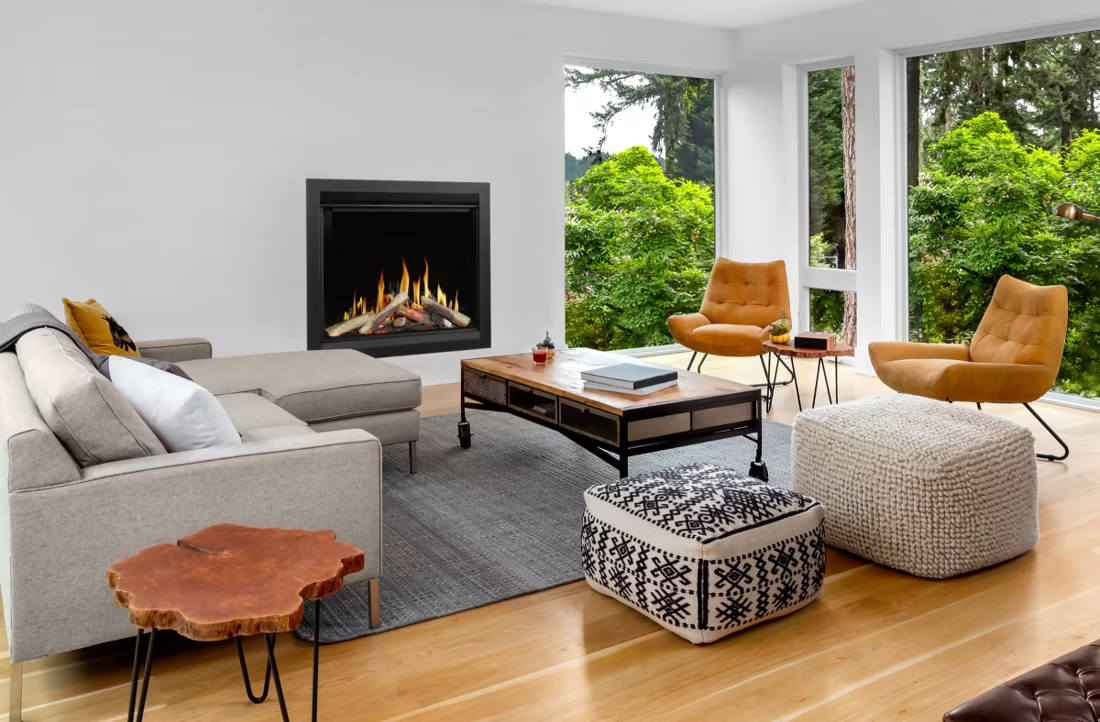
Three steps. No salesperson until you're ready.
Tell us about your project
Your zip code, your situation, and the fuel you're leaning toward—or let the answers point you to one.
See what's actually available
The brands dealers within 100 miles genuinely carry—real options, never a catalog mirage.
Get your dealer & Project Guide
A trusted local dealer, plus the free Project Guide & Parts List that names every component of the job.
Frequently Asked Questions
How much does an electric fireplace cost to install in Grafton?
Most plug-in electric fireplaces and mantel packages need nothing more than a standard 120-volt outlet, so the cost is largely the unit itself—typically a few hundred dollars to just over a thousand for a quality freestanding or wall-mount model. Built-in units, or larger inserts that draw more amperage, sometimes need a dedicated circuit; a local electrician running that circuit in a typical Grafton home usually adds a few hundred dollars on top of the fireplace price. Because there's no venting, no gas line, and no masonry work involved, electric is consistently the least expensive fireplace category to install here.
Will an electric fireplace actually heat my house in a North Dakota winter?
Not the whole house, and any dealer being straight with you will say so. Grafton's winters run long and cold, on par with nearby Fargo, with winter lows hovering around 0°F, and a standard electric fireplace tops out around 5,000–10,000 BTU—enough to comfortably warm one room but nowhere near enough to carry a home through a Red River Valley cold snap on its own. Think of it as zone heat: it lets you turn down the thermostat and heat the room you're actually using, while your furnace still handles the rest of the house.
Do I need a permit for an electric fireplace in Grafton?
A plug-in electric fireplace that runs off an existing outlet doesn't require a permit—it's treated like any other appliance. If your installer needs to add a new dedicated circuit or run wiring for a built-in unit, that electrical work typically requires a permit through the City of Grafton or Walsh County, depending on whether your property sits inside city limits. Any licensed electrician doing that work locally will know which office to file with and will usually handle the paperwork as part of the job.
Does it matter which electric utility serves my home?
Walsh County is served by a mix of providers—Otter Tail Power Co, Nodak Electric Cooperative, and the City of Grafton's municipal utility—and residential rates run about $0.114 to $0.121 per kWh depending on which one serves your address. That's below the national average, which is part of why zone heating with an electric fireplace pencils out well here: running a 1,500-watt unit for several hours a night typically adds well under a dollar a day to your bill, regardless of which of the three providers you're on.
What's the difference between an electric fireplace, insert, and stove?
A freestanding electric fireplace or mantel package sits against a wall like furniture and can go almost anywhere with an outlet. An electric insert is sized to slide into an existing masonry fireplace opening—a common option for Grafton homes with an old wood-burning fireplace that no longer gets used, letting you keep the mantel and surround while swapping in flame effects and heat without the wood mess. An electric stove is a freestanding cabinet styled like a traditional wood stove, popular for cabins or rooms where that look fits better than a flush mantel unit. All three plug into standard power in most cases.
Electric vs. wood—which makes more sense for my home?
Wood remains a serious backup heat source in this part of the Red River Valley, where ice storms occasionally knock out power for Nodak Electric Cooperative and Otter Tail Power Co members alike—and locally cut oak, cottonwood, and ash burn reliably in a wood stove with no electricity required. Electric fireplaces can't help you during an outage since they need power to run, but they win on convenience: no ash, no chimney to maintain, instant on-off, and a lower upfront cost. Many Grafton homeowners end up with both—wood or a propane furnace for real backup heat, electric for everyday ambiance and zone warmth in rooms away from the main living area.
Can I install an electric fireplace in a rental or manufactured home?
Yes—this is one of the most common uses for electric fireplaces in a town like Grafton, where a good share of the housing stock is manufactured or rented. Because a plug-in unit needs no chimney, no gas line, and no structural changes, it's one of the few fireplace options a renter can install and take along when they move, or that fits cleanly into a manufactured home without triggering the venting clearances that wood or gas units require. Just confirm the outlet is on its own circuit if you're running a larger unit, since older mobile home wiring can be limited.
How much can zone heating with an electric fireplace actually save me?
The savings come from lowering your central thermostat a few degrees while heating only the room you're in with the fireplace. In a Zone 7 climate like Grafton's, where the furnace is working hard for months at a time, even a 3-4 degree setback in the rest of the house while an electric fireplace covers the living room or bedroom can meaningfully reduce propane or gas use over a winter. Given local electric rates around $0.114-$0.121 per kWh, running the fireplace to enable that setback is usually cheaper than the equivalent furnace output would cost.
What's the best type of electric fireplace for a Grafton home?
For most homes here, a mid-size wall-mount or mantel unit from a brand like Dimplex, Napoleon, or Touchstone gives realistic flame detail and enough supplemental heat for a bedroom, den, or finished basement. If you've got an old, rarely used wood-burning fireplace, an electric insert sized to that opening is often the simplest upgrade—it reuses the existing surround and mantel while eliminating the draft and mess of an unused masonry firebox. A local dealer can match a specific model to your room size and wiring situation.
Can I put a TV above my fireplace?
Yes—with an asterisk. Fireplaces are hot and TVs don't like heat. Either put a mantel between them to deflect rising warmth, or choose a fireplace with heat-management technology that creates a cool zone on the wall above—the wall stays around 125 degrees, barely warm, while the room still gets full heat. If you like clean lines and don't want a mantel, heat management is the answer.
How much does an electric fireplace cost to run?
With the heater on, a typical unit draws about 1,500 watts—at average electric rates that's roughly 20 cents an hour. Run the flame effect alone and it costs pennies; the flames are LED-driven and use about as much power as a light bulb. There's no pilot light, no fuel delivery, and essentially no maintenance.
Can a fireplace actually lower my heating bill?
Yes—by creating a comfort zone. A furnace heats every square foot of the house just to warm the one room you're in; a gas fireplace on low burns roughly a sixth of the gas a typical furnace does. Set the furnace around 55–60 degrees as a baseline, then heat the rooms your family actually uses. Families who heat this way commonly save $20–$60 a month.
Can I install a fireplace myself?
If you're putting a fire in your house on purpose, it's best to work with an expert. Unless you're genuinely experienced in framing, gas line, vent pipe, and the national code on clearances to combustibles, have a professional do it—and ideally the same company that sells you the fireplace, so warranty, service, and liability all live under one roof.
Nearby Dealers
Hearth shops serving Grafton and the surrounding area. Every listing shows whether it is a WhyFire partner, a dealer we have verified as authorized for the brands we recommend, or a local business carrying hearth products. No manufacturer pays for placement. How we verify dealers →
Sunrooms Plus Inc.
Country Fireplaces Nd
Electric Service in Grafton
An electric fireplace's heater draws about 1,500 watts—pennies per hour at local rates.
Otter Tail Power Co
Nodak Electric Coop Inc
City Of Grafton - (Nd)
Find your electric fireplace in Grafton.
Tell us a bit about your home and which rooms need heat, and we'll put together a free Project Guide & Parts List—plus connect you with a trusted local dealer who knows what actually works in a Grafton winter.
Find Your Fireplace →