
Steady, low-smoke heat for Luna County's mild desert winters.
From Deming out across the Luna County high desert, winters are mild but real—average lows around 28°F and a winter heating season that's moderate compared to colder climates. A pellet stove gives you clean, controllable zone heat without hauling firewood, and we'll match you with a local dealer who can size and install it right.
Every Project Starts From One of These Five Situations
A practical fit for a mild, dry climate.
Luna County sits in climate zone 3B—a mixed-dry high desert with a moderate winter heating season and winter lows averaging 28°F. That's a moderate heating load compared to true cold-climate counties, which is exactly why pellet stoves fit so well here: most Deming-area homes need dependable, thermostatically controlled supplemental heat for cold nights rather than a whole-house wood-burning commitment. A pellet stove or insert delivers that without the wood stacking, splitting, or chimney upkeep that comes with a cordwood setup.
Luna County's main air quality concern is seasonal wildfire smoke, not winter inversion—and pellet appliances burn more completely and cleaner than open wood fires, which matters when regional smoke events push particulate levels up. Regional pellet brands like Forest Energy and Lignetics are the fuel most local dealers stock and recommend, and because pellet units vent through a simple wall or roof pipe rather than a full masonry chimney, installation is usually simpler and less invasive than a wood stove retrofit—a real advantage in older adobe and manufactured homes common throughout the county.
Three steps. No salesperson until you're ready.
Tell us about your project
Your zip code, your situation, and the fuel you're leaning toward—or let the answers point you to one.
See what's actually available
The brands dealers within 100 miles genuinely carry—real options, never a catalog mirage.
Get your dealer & Project Guide
A trusted local dealer, plus the free Project Guide & Parts List that names every component of the job.
Frequently Asked Questions
How much does a pellet stove installation cost in Luna County?
Pellet stove and insert installations typically run in the $3,000 to $6,000 range nationally, and Luna County falls in that same band—the variable is usually the venting path (a straightforward wall-vent kit versus running pipe through a roof or existing masonry chimney) and whether an electrical outlet needs to be added near the hearth, since every pellet unit requires power to run the auger and blower. A local dealer will give you a firm number after seeing your hearth setup, but expect the lower end of that range for a simple wall-vent install in a single-story Deming-area home.
What size pellet stove do I need for my home?
Because Luna County's heating load is relatively moderate—average winter lows around 28°F and a winter heating season that's moderate compared to colder regions—most homes here do fine with a small to mid-size pellet stove rated for 1,000 to 1,800 square feet, even when it's serving as the main heat source for a living area. Larger, poorly insulated homes or older adobe construction with high ceilings may need a bigger unit or a second zone heater. This is a place where a local dealer's in-home look matters—square footage alone doesn't account for insulation, window count, or how open the floor plan is, and an oversized unit will short-cycle instead of running efficiently.
Where can I find a certified pellet stove installer near me?
Pellet stove installation isn't as code-intensive as wood-burning masonry work, but it still involves venting clearances, electrical hookup, and often a building permit through Luna County. We match Luna County homeowners with trusted local dealers who install what they sell, which keeps warranty coverage and code compliance in one place rather than splitting the job between a retailer and an unrelated handyman. Ask any installer whether they're familiar with EPA-certified pellet units and whether they'll pull the permit on your behalf—most will.
What's the difference between a pellet stove and a pellet insert?
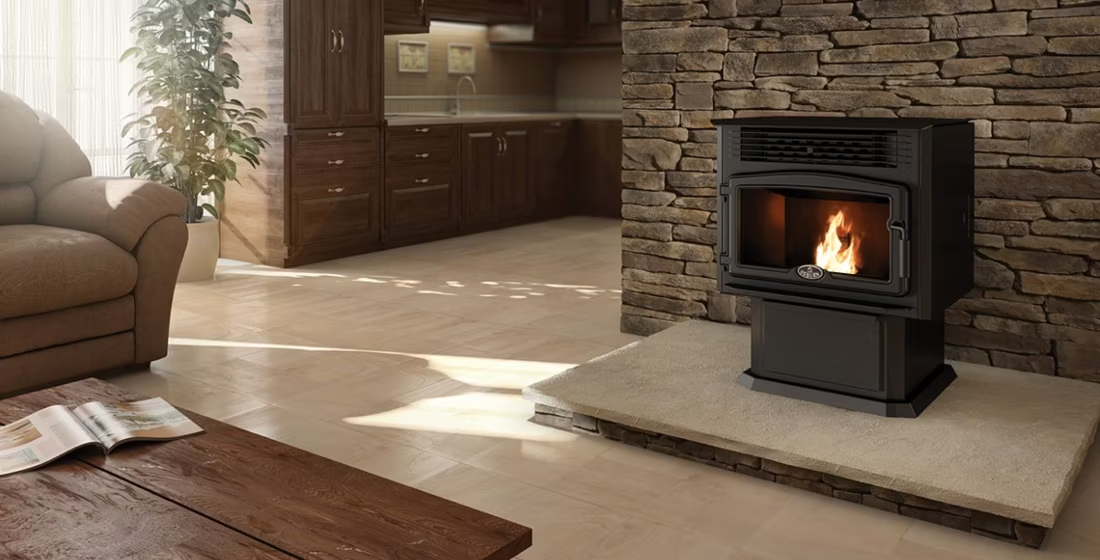
A pellet stove is a freestanding appliance that sits on its own hearth pad and vents through a wall or roof—it can go almost anywhere with a nearby outlet. A pellet insert is built to slide into an existing masonry wood fireplace, using a vent liner run up the existing chimney and sealing off the old open firebox. For Luna County homes with an existing fireplace that's rarely used, an insert is often the better upgrade—it reuses the chimney you already have and turns an inefficient opening into a real heat source. Homes without an existing fireplace are usually better suited to a freestanding stove.
Do I need a permit to install a pellet stove in Luna County?
Most pellet stove and insert installations require a building permit through Luna County, and any new electrical circuit added for the unit may need its own permit as well. Pellet appliances are EPA-certified by design and burn far more completely than open wood fires, so they generally aren't subject to the kind of burn-ban restrictions that can apply to wood stoves during regional wildfire smoke events—one more reason pellet is a practical choice here. Most local dealers handle the permitting as part of the install, so you typically don't have to file anything yourself.
What's the best pellet stove for Luna County's climate?
Given Luna County's relatively mild heating load, you don't need the largest catalytic-class unit on the market—a mid-size EPA-certified pellet stove from a brand like Harman, England's Stove Works, or Ashley will comfortably heat a main living area through the county's cold nights. What matters more locally is fuel supply: Forest Energy and Lignetics are the regional pellet brands most Luna County dealers stock and can point you toward, so it's worth confirming a stove's hopper size and burn rate against what's actually available on local shelves rather than picking a model first and sourcing fuel later.
How often does a pellet stove need to be cleaned and serviced?
Pellet stoves need more frequent attention than people expect, even though they're lower-maintenance than wood. Plan on emptying the ash pan every few days during regular use, a deeper burn-pot and glass cleaning weekly, and a full professional service—including the exhaust vent and combustion blower—once a year, ideally before the start of the heating season. Skipping the annual service is the most common cause of pellet stoves that start jamming the auger or shutting down mid-burn.
Where can I buy wood pellets in Luna County?
Regional brands Forest Energy and Lignetics are the pellets most commonly stocked by local dealers and farm-and-ranch supply stores serving Luna County, typically sold by the 40-pound bag or by the ton. Pricing moves with the season and with wildfire-related supply disruptions in the Southwest, so it's worth buying early in the fall before demand picks up rather than waiting until the first cold snap. Your installing dealer can usually tell you which local retailers keep pellets in stock year-round versus seasonally.
Pellet stove vs. wood stove—which is right for my Luna County home?
Wood stoves burn cordwood—often pinyon, juniper, or ponderosa pine cut locally, including on Gila National Forest land with a permit running $5 to $20 per cord during the May-to-October cutting season. They work without electricity, which matters during outages, and appeal to homeowners who want the ritual of a real fire. Pellet stoves trade that self-sufficiency for convenience and cleaner combustion: load the hopper, set the thermostat, and get consistent heat with far less ash and smoke—a real advantage during Luna County's wildfire smoke season when air quality is already a concern. Pellet stoves do require electricity to run the auger and blower, so they're not a power-outage backup on their own. For most Deming-area homes prioritizing low-maintenance, clean heat, pellet wins; for rural properties with easy access to Forest Service wood and a need for off-grid heat, wood still has a strong case.
Why is my open fireplace making my house colder?
Open fireplaces suck—literally. As the fire burns, it consumes air your furnace already paid to heat and pulls it out through the chimney, so the house is actually colder after the fire goes out than before you lit it. An insert fixes this: it seals the chimney, puts fixed glass across the front, and turns that hole in your house into a real heat source.
How often does a pellet stove need cleaning?
A clean pellet stove is a happy pellet stove. Plan on cleaning the burn pot about once a week when you're burning regularly—ash and clinkers gum up the air holes just like a pellet barbecue. Most pellet stove problems trace back to skipped cleaning that nobody explained up front. Some designs make it easy with a trapdoor burn pot: pull a lever and the gunk drops into the ash pan.
Can a fireplace actually lower my heating bill?
Yes—by creating a comfort zone. A furnace heats every square foot of the house just to warm the one room you're in; a gas fireplace on low burns roughly a sixth of the gas a typical furnace does. Set the furnace around 55–60 degrees as a baseline, then heat the rooms your family actually uses. Families who heat this way commonly save $20–$60 a month.
Can I install a fireplace myself?
If you're putting a fire in your house on purpose, it's best to work with an expert. Unless you're genuinely experienced in framing, gas line, vent pipe, and the national code on clearances to combustibles, have a professional do it—and ideally the same company that sells you the fireplace, so warranty, service, and liability all live under one roof.
Pellet Brands Stocked Around Luna County
Manufacturers will point you to the nearest stocking dealer.
Get your Luna County pellet stove Project Guide & Parts List.
Tell us about your home and heating goals, and we'll send a free Project Guide & Parts List—the exact parts, including the vent kit, and our recommended local dealer for your pellet stove or insert project in Luna County.
Find Your Fireplace →