
Keep Your Family Warm and Safe—No Matter What
From the Seacoast in Portsmouth and Hampton to the inland towns of Derry, Salem, and Windham, Rockingham County has a winter heating load comparable to Madison, Wisconsin. Find the right wood stove or insert and get matched with a trusted local dealer.
Every Project Starts From One of These Five Situations
Wood heat is a New England tradition—and a practical one.
Rockingham County stretches from the rocky Atlantic coastline at Rye and Hampton inland through fast-growing towns like Derry, Salem, and Windham near the Massachusetts border. It's climate zone 5A, with average winter lows around 15°F and a winter heating load comparable to Madison, Wisconsin. Coastal towns get some moderation from the ocean, but inland communities away from the water regularly see harder cold snaps and the kind of nor'easters and ice storms that knock out power for days.
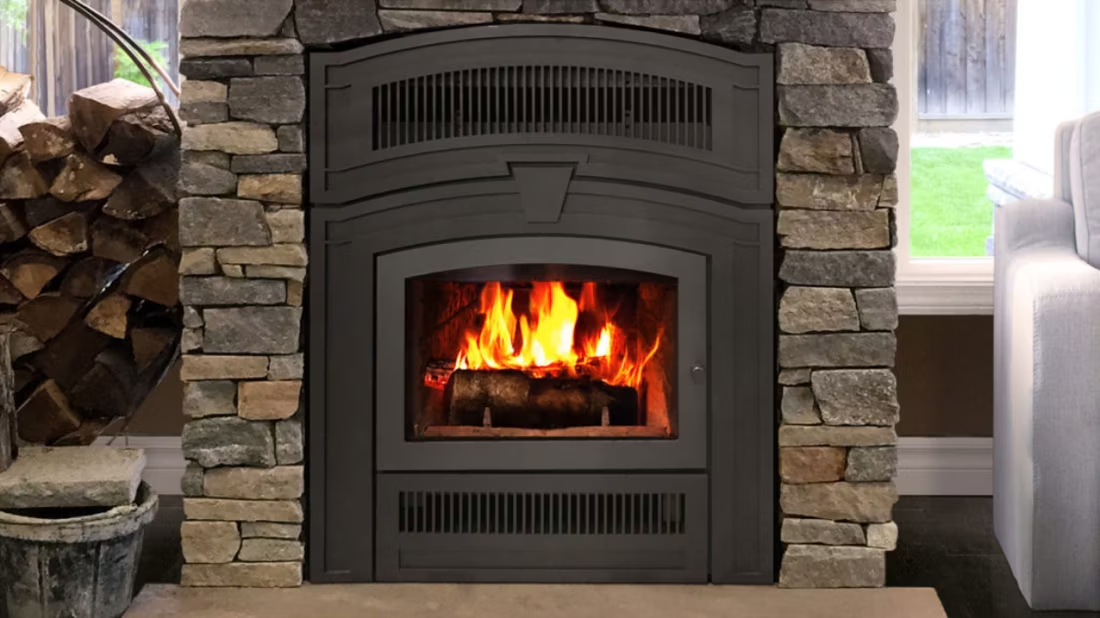
The county's hardwood forests—thick with maple, birch, beech, and oak—have supported wood heat here for generations, and unlike parts of the country dealing with winter inversions or wood-smoke non-attainment status, Rockingham County has no air quality restrictions on burning. That means a well-chosen stove or insert can run through the coldest stretches of January without curtailment concerns, delivering real backup heat during storm-driven outages and taking the edge off oil or propane bills the rest of the winter—whether you're in a Portsmouth colonial with an old masonry fireplace or a newer build out toward Raymond or Fremont.
Three steps. No salesperson until you're ready.
Tell us about your project
Your zip code, your situation, and the fuel you're leaning toward—or let the answers point you to one.
See what's actually available
The brands dealers within 100 miles genuinely carry—real options, never a catalog mirage.
Get your dealer & Project Guide
A trusted local dealer, plus the free Project Guide & Parts List that names every component of the job.
Frequently Asked Questions
How much does a wood stove installation cost in Rockingham County?
Most wood stove installations in Rockingham County run somewhere between $3,500 and $9,000, depending on the stove itself, whether you're venting through an existing masonry chimney or installing new Class A pipe, and whether a hearth pad needs to be built or upgraded to meet clearance requirements. Converting an old fireplace in a Seacoast-area colonial into an insert install tends to land on the lower end since the chimney already exists. New construction or homes without a chimney—more common in the newer developments around Derry, Salem, and Windham—run higher once full through-roof venting is added. A local dealer will give you a firm number after walking the space.
What size wood stove do I need for my home?
Sizing depends on square footage, ceiling height, insulation, and whether the stove is your primary heat or a supplement to oil or propane. As a rough guide for Rockingham County's older housing stock—plenty of it built well before modern insulation standards—a small stove handles up to about 1,000 square feet, a medium stove covers 1,000 to 2,000 square feet, and a large stove can carry a well-sealed 2,000+ square foot home. Older colonial-style homes near Exeter or Portsmouth with drafty original construction often need to size up compared to a newer, tighter build in Windham or Londonderry. A local dealer will size the space for free during an in-home visit—oversizing leads to smoldering fires and creosote buildup, while undersizing means you're still reaching for the thermostat on the coldest nights.
Where can I find certified wood stove installers near me?
Look for installers with NFI (National Fireplace Institute) certification or CSIA (Chimney Safety Institute of America) credentials, both of which indicate real training in wood-burning appliance venting and clearances. Rockingham County doesn't have a single county building department—each town, from Portsmouth to Derry to Salem, issues its own permits through its local building office, so a dealer who regularly works across multiple towns already knows the local inspection process. Avoid handyman or general-contractor installs for a wood-burning unit; improper clearance or venting work is the most common cause of chimney fires, and a certified installer will pull the permit and pass inspection the first time.
What's the difference between a wood stove and a wood insert?
A wood stove is a freestanding unit installed on a hearth pad, venting through a chimney, and it can go almost anywhere clearances allow. A wood insert is built to slide into an existing masonry fireplace opening, turning a drafty open hearth into a sealed, high-efficiency heat source. Rockingham County has a lot of older housing stock—plenty of Seacoast colonials and farmhouses inland toward Fremont and Raymond with original brick fireplaces—which makes inserts a natural fit, since they reuse the chimney that's already there. Newer homes without an existing fireplace, common in developments around Windham and Londonderry, are usually better suited to a freestanding stove.
Do I need a permit to install a wood stove in Rockingham County?
Yes. New wood stove installations need a building permit, and in New Hampshire that permit is handled at the town level rather than through the county—you'd apply through the Portsmouth, Derry, Salem, Exeter, or other local building department depending on where you live. Any new stove also needs to meet current EPA 2020 NSPS emissions standards. Most local dealers handle the permit application and inspection scheduling as part of the installation, so you typically don't have to navigate town hall yourself. Unlike parts of the country with winter air-quality non-attainment status, Rockingham County has no burning restrictions or curtailment days tied to smoke, so once your stove is installed and inspected, you're free to burn through the season.
What's the best wood stove for Rockingham County's climate?
With average winter lows around 15°F and regular cold snaps well below that—especially inland away from the coastal moderation around Hampton and Rye—a catalytic stove from a brand like Blaze King can hold a fire 20+ hours on a load, which matters on the nights it's single digits outside. New England-rooted brands like Jotul, Hearthstone, and Vermont Castings are also popular locally and well suited to burning the maple, birch, beech, and oak that's common firewood throughout the county. For a smaller home or supplemental heat rather than primary heat, a non-catalytic stove from Pacific Energy or Lopi is a simpler, lower-maintenance option. A local dealer can match the stove to your home's specific insulation and square footage.
How often should my chimney be inspected and cleaned?
The CSIA recommends an annual inspection for any wood-burning appliance, and that holds for Rockingham County homes whether you're burning as a supplement or as primary heat through the winter. Plan on a full sweep and inspection in late summer or early fall before the first cold snap. Homes burning several cords a winter as their main heat source—more common inland than along the coast—sometimes need a mid-season check if creosote builds up faster than expected. Skipping this step is the leading cause of chimney fires, and it matters even more for rural properties toward Fremont or Danville where fire department response times run longer.
Where can I get firewood in Rockingham County?
Rockingham County's hardwood forests supply plenty of local firewood—maple, birch, beech, and oak are all common species sold by local suppliers and farms throughout the county. Wood is typically sold by the cord (a stacked 4×4×8 foot pile), and pricing varies by species and whether it's seasoned or green—seasoned hardwood is worth paying for, since it burns hotter and cleaner than wood cut the same season you're burning it. Given the region's humid summers, wood cut and split in spring needs a full six months or more to season properly before a New Hampshire winter. If you're buying green wood in fall for that winter's use, you're better off supplementing with kiln-dried bundles or waiting until the following season.
Wood stove vs. pellet stove—which is right for me?
Wood stoves burn cordwood, work without electricity, and pair naturally with the maple, birch, beech, and oak that's abundant throughout Rockingham County—a real advantage when nor'easters and ice storms knock out power, which happens most winters somewhere in the county. Pellet stoves burn compressed pellets from regional brands like Lignetics, New England Wood Pellet, and Maine Woods Pellet Co, are easier to load and operate, and burn cleaner with less ash—but they need electricity to run the auger and blower, so they go dark in an outage unless paired with a battery backup. For Seacoast and inland homes alike where storm-driven power loss is a real winter risk, wood often wins as the more resilient choice. For homes prioritizing convenience with reliable power, pellet is a strong alternative. Local dealers carry both.
Why is my open fireplace making my house colder?
Open fireplaces suck—literally. As the fire burns, it consumes air your furnace already paid to heat and pulls it out through the chimney, so the house is actually colder after the fire goes out than before you lit it. An insert fixes this: it seals the chimney, puts fixed glass across the front, and turns that hole in your house into a real heat source.
What's the difference between an insert and a zero-clearance fireplace?
An insert is a fireplace that slides into a pre-existing wood-burning fireplace—if you don't have one, there's nothing to insert it into. A zero-clearance fireplace is built into a framed wall, which makes it the answer for remodels and new construction. Simple test: existing masonry fireplace means insert; blank or framed wall means zero-clearance.
Can I install a fireplace myself?
If you're putting a fire in your house on purpose, it's best to work with an expert. Unless you're genuinely experienced in framing, gas line, vent pipe, and the national code on clearances to combustibles, have a professional do it—and ideally the same company that sells you the fireplace, so warranty, service, and liability all live under one roof.
What is an in-home preview and do I need one?
It's a visit where a hearth professional measures your space, confirms the model you picked actually works in your home, and walks the specs—framing, gas line, venting, finish work—before anything is ordered. Some details you just can't know until you see the house. Never make a down payment without one; it's the single most-skipped step that burns buyers.
Stove and Fireplace Dealers in Rockingham County
Listings include WhyFire partner dealers, dealers we have verified as authorized for the brands we recommend, and established local businesses that carry hearth products. Every listing shows which one it is. The ones marked Preferred run on WhyFire's software, so they can show you real pricing and book your appointment right here. No manufacturer pays for placement. How we verify dealers →
Drogold Dba A Merrie Sweepe Chimney Service
Home & Hearth
Jackson Fireplace
Northeast Distribution
The Stove Shoppe & Fences
The Fireplace Center
Architectural Fireplaces
Advantage Fireplace, Inc
Somersworth Stove Shop
Find your wood stove in Rockingham County.
Tell us about your home and we'll match you with a trusted local dealer and send over a free Project Guide & Parts List—the stove, venting, and parts your Rockingham County wood project actually needs.
Find Your Fireplace →