
Find your pellet stove in Phelps County.
Consistent, low-maintenance heat for the long Platte Valley winters around Holdrege and Bertrand—find the right stove and connect with a trusted local dealer.
Every Project Starts From One of These Five Situations
Steady heat with none of the wood splitting.
Phelps County sits in the Platte Valley of south-central Nebraska, where flat farmland and open exposure give local homes a winter heating load comparable to what a family in Madison, WI deals with, though without the lake-effect snow. Winter lows average 13°F, and wind across the open cropland makes it feel colder than the thermometer suggests. Oak, hickory, and cottonwood grow along the Platte and its tributaries, so wood heat has deep roots here, but plenty of Holdrege and Bertrand homeowners have shifted toward pellet stoves for the hands-off convenience: no splitting, no stacking, no hauling cordwood in from a shed in a January wind.
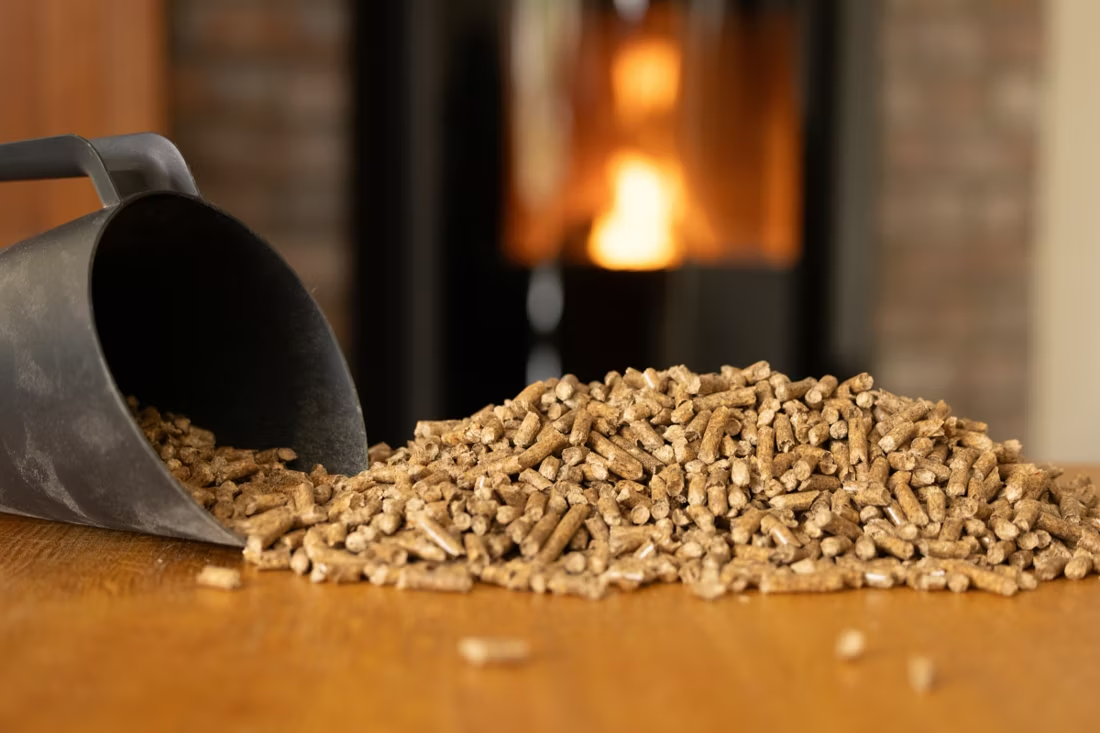
Pellet fuel is easy to source in this part of Nebraska—Lignetics and Indeck Energy Services both supply bagged pellets to farm-supply and hardware retailers across the region, and most Phelps County homeowners can find a reliable local source without much searching. A pellet stove loads from a hopper, runs on a thermostat, and burns cleaner than cordwood—appealing for anyone managing a farmhouse, a rental property, or a home where nobody wants to deal with ash and creosote all winter. It's a practical fit for a county where cold, steady winters are the norm and low-maintenance heat has real value.
Three steps. No salesperson until you're ready.
Tell us about your project
Your zip code, your situation, and the fuel you're leaning toward—or let the answers point you to one.
See what's actually available
The brands dealers within 100 miles genuinely carry—real options, never a catalog mirage.
Get your dealer & Project Guide
A trusted local dealer, plus the free Project Guide & Parts List that names every component of the job.
Frequently Asked Questions
How much does a pellet stove installation cost in Phelps County?
A typical pellet stove installation in Phelps County runs in the range most Midwest installers quote for a freestanding unit with PL venting through an exterior wall—generally lower than a full masonry wood stove install since there's no chimney construction involved. Costs shift depending on whether you're venting through an existing wall versus running new vent pipe, and whether the stove needs a dedicated 120V outlet nearby for the hopper motor and igniter. A local dealer serving Holdrege or Bertrand can give you a firm number after seeing your home.
Is pellet fuel easy to find in Phelps County?
Yes. Lignetics and Indeck Energy Services both distribute bagged pellets through regional farm-supply and hardware outlets that serve south-central Nebraska, and most Phelps County homeowners can pick up a season's supply without driving far. Buying in bulk before the coldest stretch of winter—typically before December—is the common local strategy, since demand and price both tend to climb once temperatures drop into the single digits.
What size pellet stove do I need for my home?
Sizing depends on square footage, insulation, and whether you want the stove as primary or supplemental heat. Given Phelps County's winter heating load comparable to Madison, WI and the wind exposure common to open Platte Valley farmhouses, many local homes run slightly larger units than a size chart alone would suggest—older farmhouses with less insulation lose heat fast in a stiff January wind. A local dealer will size the stove to your actual square footage and construction during an in-home visit, which matters more here than a generic online calculator would suggest.
Do I need a permit to install a pellet stove in Phelps County?
Most pellet stove installations require a building permit, and any new venting through an exterior wall needs to meet manufacturer clearance and termination specs. Requirements can vary between incorporated areas like Holdrege and unincorporated parts of the county, so it's worth confirming with your local jurisdiction before work starts. Most dealers who sell and install pellet stoves in the area handle the permitting as part of the job, so it's rarely something the homeowner has to sort out alone.
What's the difference between a pellet stove and a pellet insert?
A pellet stove is a freestanding unit that sits on its own hearth pad and vents through a wall or existing chimney—it can go almost anywhere with the right clearances. A pellet insert is built to slide into an existing masonry fireplace opening, converting an old wood-burning fireplace into a thermostat-controlled heat source. For Phelps County farmhouses with an existing but rarely-used masonry fireplace, an insert is often the more practical upgrade since it uses infrastructure that's already there.
Will my pellet stove work during a power outage?
No—this is the one real tradeoff to know going in. Pellet stoves rely on electricity to run the hopper auger, igniter, and combustion blower, so a power outage shuts the stove down regardless of how many pellets are in the hopper. For Phelps County homes where winter storms occasionally knock out rural power lines, some homeowners pair a pellet stove with a small backup generator, or keep a wood-burning option as a fallback. If uninterrupted heat during outages is the top priority, a wood stove is the more dependable choice.
How often does a pellet stove need to be cleaned and serviced?
Pellet stoves need regular ash removal from the burn pot—often weekly during heavy winter use—plus a full annual service that includes cleaning the exhaust venting, checking the auger and igniter, and inspecting the gaskets. This is lighter maintenance than a wood-burning chimney sweep, but skipping it leads to poor combustion and clinker buildup that can eventually stall the auger. Local dealers who sell pellet stoves in the Holdrege area typically offer this annual service.
What's the typical cost of pellet fuel per season in Phelps County?
Bagged pellets from suppliers like Lignetics run at typical Midwest regional pricing, and a Phelps County home using a pellet stove as a primary heat source through a full winter—given the county's winter heating load comparable to Madison, WI—will typically burn through multiple tons of pellets. Buying a full season's supply early, before the coldest stretch hits, is the common local approach, since local retailers sometimes see pellets sell out during extended cold snaps.
Pellet stove vs. wood stove—which is right for my Phelps County home?
Wood stoves burn cordwood cut from local oak, hickory, or cottonwood, work without electricity, and are the more resilient choice during rural power outages. Pellet stoves are easier day-to-day—load the hopper, set the thermostat, and walk away—with cleaner burning and less ash than cordwood, but they go dark the moment the power does. For Phelps County homes without a generator, that outage vulnerability is worth weighing seriously given how exposed the Platte Valley is to winter storms. For homes with backup power, or for anyone who values convenience over the ritual of splitting and stacking wood, pellet is usually the better fit.
How often does a pellet stove need cleaning?
A clean pellet stove is a happy pellet stove. Plan on cleaning the burn pot about once a week when you're burning regularly—ash and clinkers gum up the air holes just like a pellet barbecue. Most pellet stove problems trace back to skipped cleaning that nobody explained up front. Some designs make it easy with a trapdoor burn pot: pull a lever and the gunk drops into the ash pan.
What do I measure to size a fireplace insert?
Four numbers tell you what fits: the front width, the front height, the back width, and the overall depth of your existing fireplace opening. Grab a tape measure, jot those down, and snap a photo of the wall—those two things do more to move your project forward than anything else you can do today.
Can I install a fireplace myself?
If you're putting a fire in your house on purpose, it's best to work with an expert. Unless you're genuinely experienced in framing, gas line, vent pipe, and the national code on clearances to combustibles, have a professional do it—and ideally the same company that sells you the fireplace, so warranty, service, and liability all live under one roof.
Does a fireplace add value to my home?
On average, a fireplace adds back to the home about the same amount you spent installing it. Add the monthly savings from heating the rooms you actually use instead of the whole house—often hundreds of dollars a year—and the value case is strong before you even count what a fire does for how your family uses the room.
Pellet Brands Stocked Around Phelps County
Manufacturers will point you to the nearest stocking dealer.
Get your Phelps County pellet Project Guide & Parts List.
Tell us about your home and we'll match you with a trusted local dealer and a free Project Guide & Parts List—the exact parts, vent kit, and recommended installer for your pellet stove project in Phelps County.
Find Your Fireplace →