
Electric heat built for Montana's least crowded county.
Zone-6B winters and long co-op power lines mean electric fireplaces play a specific role out here—zero-clearance supplemental heat for ranch homes and outbuildings from Winnett to Flatwillow, not a substitute for wood or propane when a blizzard takes the grid down. We'll match you with a dealer who installs it right.
Every Project Starts From One of These Five Situations
Simple heat for a county with more cattle than people.
Petroleum County sits in Montana's high plains, climate zone 6B, with winter lows that regularly drop well below zero—the kind of cold you'd expect around Bismarck, ND, or Fargo in a bad stretch. With a population under 200 spread across ranches, Winnett, and the smaller crossroads of Teigen and Flatwillow, most homes here already burn lodgepole pine, ponderosa, douglas fir, or aspen in a wood stove or shop stove for primary heat. Electric fireplaces show up in a different role: adding warmth and ambiance to a remodeled living room, a converted bunkhouse, or a manufactured home addition where running a new gas line or masonry chimney isn't practical or worth the cost.
Power here comes off long rural electric cooperative feeder lines serving a lot of open range and not many meters—reliable most of the year, but exposed during the kind of ground blizzards that knock out service for hours or days in January. That's why an electric fireplace in Petroleum County is almost always a second heat source, not the only one. The upside is real: no venting, no chimney, no combustion byproducts, and an install that in many cases is as simple as a licensed electrician running a dedicated circuit. For zone heating a single room, or adding heat and glow to a space with no existing hearth, that simplicity is hard to beat.
Three steps. No salesperson until you're ready.
Tell us about your project
Your zip code, your situation, and the fuel you're leaning toward—or let the answers point you to one.
See what's actually available
The brands dealers within 100 miles genuinely carry—real options, never a catalog mirage.
Get your dealer & Project Guide
A trusted local dealer, plus the free Project Guide & Parts List that names every component of the job.
Frequently Asked Questions
How much does an electric fireplace installation cost in Petroleum County?
A plug-in electric insert or freestanding unit that runs off a standard household outlet can run as little as $500 to $1,200 installed, since there's no venting and minimal electrical work involved. A hardwired built-in unit—set into a wall or existing fireplace opening—typically runs $1,500 to $3,500 once you factor in a dedicated circuit and a licensed electrician's travel time from Lewistown or Roundup, the nearest towns with regular trade service. Given the distances involved out here, expect a trip charge folded into most quotes rather than a flat per-mile rate.
Can an electric fireplace be my main source of heat in Petroleum County?
Not comfortably, and I'd rather tell you that upfront than let you find out at -20°F. Zone 6B winters push electric resistance heating to its limits on cost and output—a typical electric fireplace tops out around 5,000 to 6,000 BTUs of supplemental heat, which won't keep pace with a drafty ranch house once temperatures drop hard. Most homes in the county pair an electric fireplace with a propane furnace or a wood stove burning local lodgepole pine or douglas fir for the heavy lifting, and use the electric unit for zone heat in whichever room gets used most.
Will my electric fireplace still work if the power goes out?
No—and this matters more in Petroleum County than almost anywhere, since the rural electric cooperative lines serving ranches and Winnett run long distances through open, wind-exposed country. Ground blizzards and ice can take a stretch of line down for hours or, in a bad storm, a day or more. An electric fireplace goes dark right along with everything else on the circuit. Most households here keep a wood stove, a propane heater, or a generator as the actual outage backup, and treat the electric fireplace as everyday convenience heat rather than emergency heat.
Do I need a permit to install an electric fireplace in Petroleum County?
Petroleum County, with a population under 200, doesn't run a county-wide building permit office the way larger Montana counties do. That said, the electrical work itself still has to meet Montana's state electrical code, and any new circuit or wiring should be pulled by a licensed electrician rather than done as a DIY job—insurance and resale both hinge on that. Since there's no local building department to route paperwork through, most homeowners simply hire a licensed electrician directly and skip the permit-office runaround altogether.
What's the difference between an electric fireplace, insert, and stove?
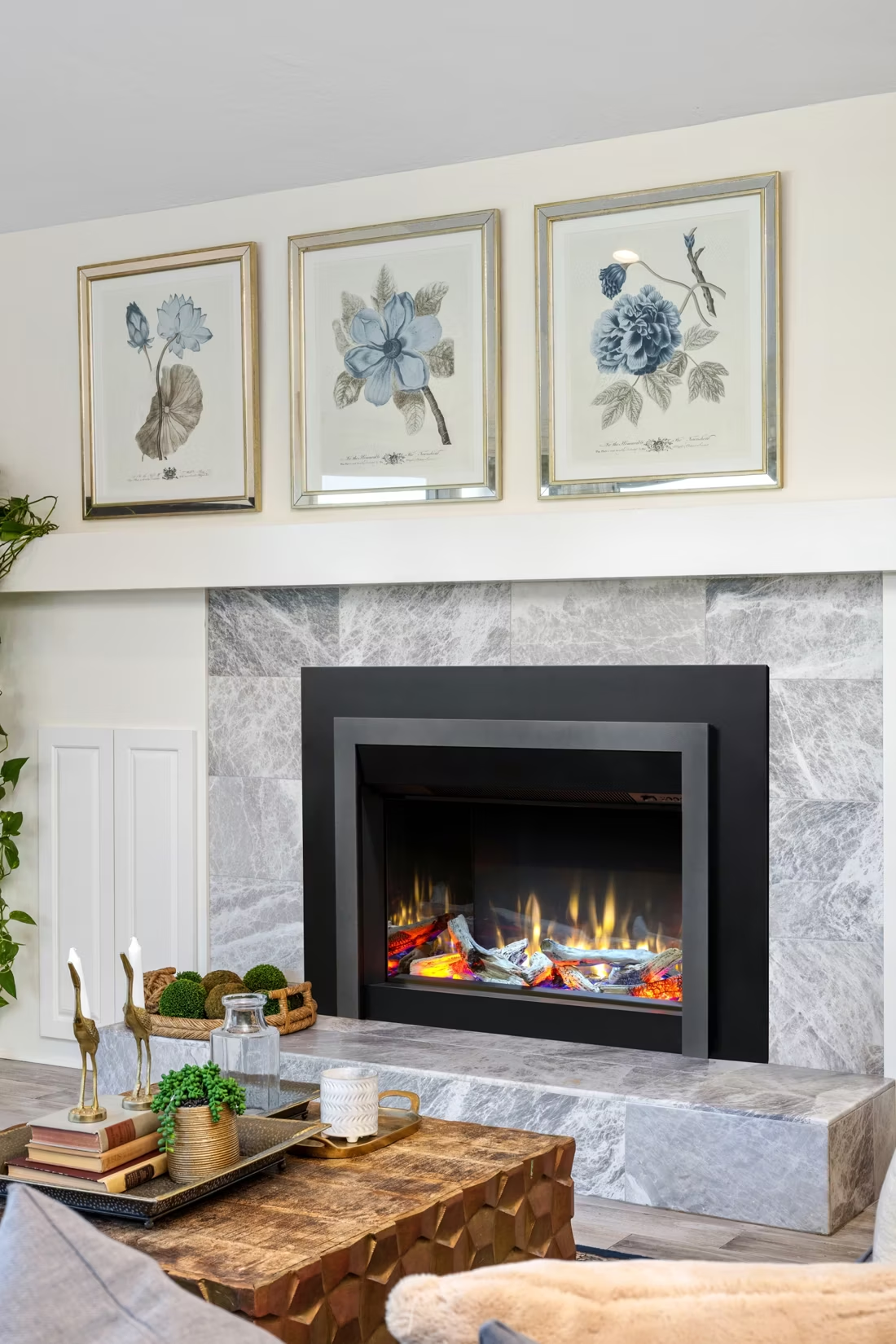
An electric fireplace is typically a built-in unit set into a wall, mantel surround, or existing fireplace opening—it looks the most like a traditional hearth. An electric insert is sized to slide into an existing masonry or wood-fireplace opening, useful if a Petroleum County home has an old, unused wood fireplace that a family wants converted to something lower-maintenance. An electric stove is a freestanding cabinet-style unit that mimics a wood or gas stove's footprint without needing a hearth pad or clearances to combustibles. For ranch homes and additions without an existing fireplace, a freestanding stove or wall-mounted unit is usually the simplest path.
What's the best electric fireplace for a cold Montana ranch home?
Look for a unit rated for continuous use at its full 1,500-watt heat setting rather than a decorative-only model—brands like Dimplex and Amantii make units built to actually contribute heat to a room, not just flicker. In a drafty older ranch house, an infrared or fan-forced insert placed in the most-used room will do more good than trying to heat an open floor plan with one unit. A local dealer can walk through your square footage and insulation and tell you honestly whether one unit covers the space or whether you're better served pairing it with your existing wood stove or propane furnace.
Electric fireplace vs. wood stove—which makes more sense out here?
Wood stoves burning lodgepole pine, ponderosa, douglas fir, or aspen off the ranch remain the backbone of heat in Petroleum County—they work without power, produce serious BTUs, and use a fuel most places already have on hand. Electric fireplaces can't compete on raw heat output or outage reliability, but they win on cleanliness, zero maintenance, and the ability to add warmth to a room with no chimney and no wood mess—a spare bedroom, a converted bunkhouse, or a mobile home addition. Most homes here end up with both: wood or propane for the real heat load, electric for convenience in a specific room.
What will an electric fireplace add to my power bill through a rural co-op?
Running a 1,500-watt electric fireplace for around 6 hours a day typically adds somewhere in the range of $20 to $40 a month to a rural electric cooperative bill, depending on your co-op's per-kilowatt-hour rate, which tends to run a bit higher than investor-owned utility rates in more populated parts of Montana. For occasional evening ambiance use rather than all-day heating, the cost drops well below that. It's worth asking your cooperative about time-of-use or off-peak rates if you plan to run the unit heavily during winter months.
Can I put an electric fireplace in a mobile home or bunkhouse?
Yes, and it's one of the more common uses of electric fireplaces in a county like this one, where a lot of housing stock is manufactured or added onto over the years. Electric units generate no combustion byproducts and need no chimney or fresh-air intake, which sidesteps the extra code requirements that wood or gas installs face in manufactured housing. The main thing to check is whether the structure's electrical panel has capacity for a new dedicated circuit—older mobile homes in rural Petroleum County sometimes need a panel upgrade before an electrician can safely add one.
Do electric fireplaces actually produce heat?
Yes—most put out around 4,800–5,000 BTUs from a standard outlet, which comfortably warms a bedroom, office, or den as a comfort-zone heater. What they won't do is carry a whole house the way wood, gas, or pellet can. Think of electric as ambiance-first with honest supplemental heat: flames on with no heat in July, flames plus warmth in January.
Can I put a TV above my fireplace?
Yes—with an asterisk. Fireplaces are hot and TVs don't like heat. Either put a mantel between them to deflect rising warmth, or choose a fireplace with heat-management technology that creates a cool zone on the wall above—the wall stays around 125 degrees, barely warm, while the room still gets full heat. If you like clean lines and don't want a mantel, heat management is the answer.
Can I install a fireplace myself?
If you're putting a fire in your house on purpose, it's best to work with an expert. Unless you're genuinely experienced in framing, gas line, vent pipe, and the national code on clearances to combustibles, have a professional do it—and ideally the same company that sells you the fireplace, so warranty, service, and liability all live under one roof.
Does a fireplace add value to my home?
On average, a fireplace adds back to the home about the same amount you spent installing it. Add the monthly savings from heating the rooms you actually use instead of the whole house—often hundreds of dollars a year—and the value case is strong before you even count what a fire does for how your family uses the room.
Find your electric fireplace in Petroleum County.
Tell us about your home and how you plan to use it, and we'll match you with a local dealer and put together your free Project Guide & Parts List—the right unit, the wiring it needs, and an honest read on whether it should stand alone or back up your existing wood or propane heat.
Find Your Fireplace →