
Clean-burning heat for Missoula County's long, cold winters.
With a heating load similar to Burlington, Vermont and winter lows averaging 20°F, Missoula County homes need serious heat—and pellet stoves deliver it without adding to the wood smoke that settles into the valley during winter inversions. Find the right stove or insert, and connect with a trusted local dealer.
Every Project Starts From One of These Five Situations
A clean-burning option in a valley that traps smoke.
Missoula sits in a bowl surrounded by the Rattlesnake, Sapphire, and Bitterroot ranges, and that geography works against the valley in winter. Cold air settles and sits, trapping wood smoke, vehicle exhaust, and particulate matter close to the ground during inversion events that can last days. Add wildfire smoke drifting in most late summers, and Missoula County has real, recurring air quality concerns layered on top of a genuinely cold climate—Climate Zone 6B, a heating load similar to Burlington, Vermont, and winter lows averaging 20°F.
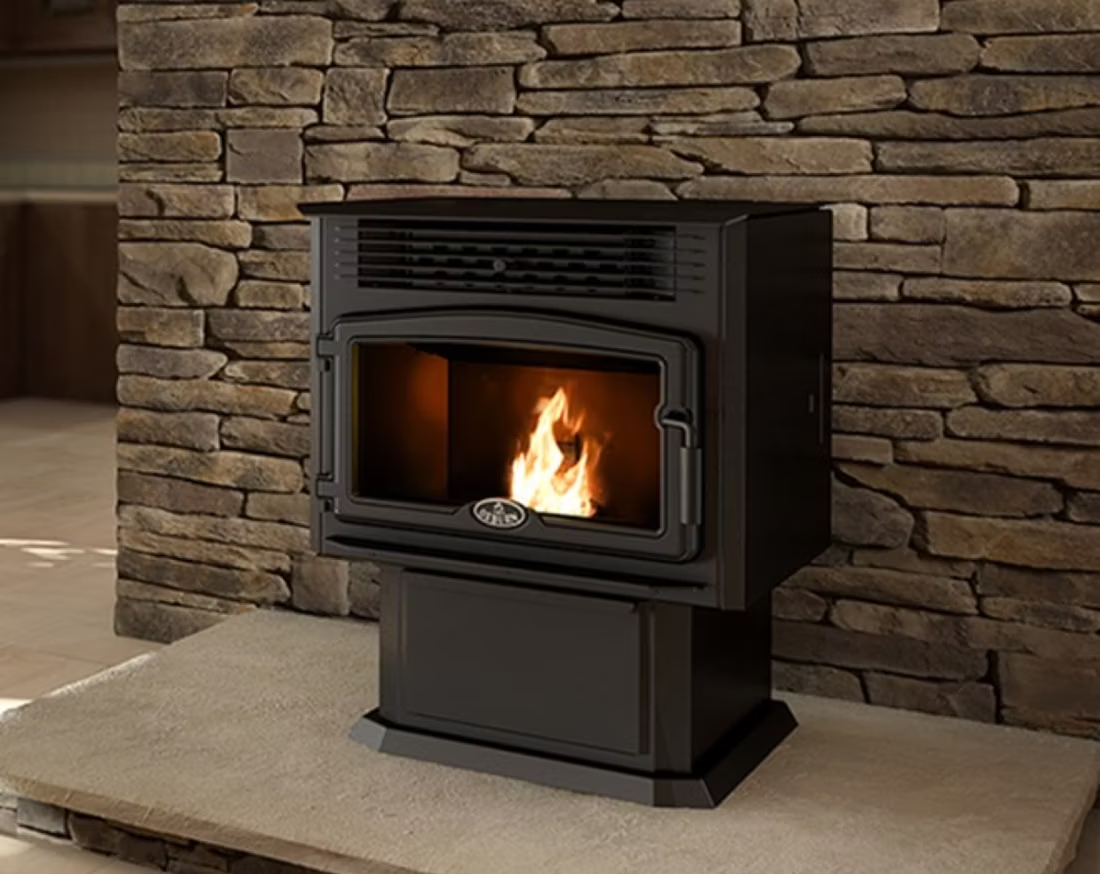
Pellet stoves fit that combination well. They burn compressed sawdust and wood waste—often sourced from the same lodgepole pine, ponderosa pine, and Douglas fir that fill the Lolo and Bitterroot National Forests—at a fraction of the particulate output of an open wood fire, and EPA-certified units are frequently exempt from local burn curtailment during inversion advisories. Regional pellet brands like Bear Mountain, Lignetics, and Forest Energy keep bagged fuel in steady supply across the county, so you're not depending on a firewood permit season (May through October on both national forests) or a woodshed full of seasoned rounds. I match Missoula County homeowners with a trusted local dealer who sizes the unit to the home, handles the venting and permitting, and tells you honestly whether pellet, wood, or gas is the better fit for your specific house.
Three steps. No salesperson until you're ready.
Tell us about your project
Your zip code, your situation, and the fuel you're leaning toward—or let the answers point you to one.
See what's actually available
The brands dealers within 100 miles genuinely carry—real options, never a catalog mirage.
Get your dealer & Project Guide
A trusted local dealer, plus the free Project Guide & Parts List that names every component of the job.
Frequently Asked Questions
How much does a pellet stove installation cost in Missoula County?
Most pellet stove and insert installations in Missoula County run $3,500 to $7,000, depending on whether the unit is a freestanding stove or an insert going into an existing masonry fireplace, whether you need a new hearth pad, and how much horizontal or vertical venting the installation requires. Inserts into an existing fireplace with a straightforward vent run tend to land on the lower end; freestanding stoves in new locations that need fresh venting, electrical for the auger and blower, and hearth pad work run higher. A local dealer will give you a firm number after seeing the install location in person.
What size pellet stove do I need for a Missoula County home?
Sizing depends on square footage, ceiling height, insulation, and whether the stove is your primary or supplemental heat source. With a heating load similar to Burlington, Vermont and winter lows averaging 20°F, Missoula County homes generally need a mid-to-large pellet stove to keep up through January and February. Older, less-insulated homes in the Rattlesnake or Grant Creek areas, or homes at higher elevation up toward Lolo Pass, typically need to size up. A local dealer will walk your space and size the unit correctly; oversizing wastes fuel and undersizing leaves you cold on the coldest nights.
Where can I buy pellet fuel in Missoula County?
Bear Mountain, Lignetics, and Forest Energy are the pellet brands most commonly stocked by hearth retailers and hardware stores across Missoula County, typically running somewhere in the $230 to $300 per ton range depending on brand, softwood versus hardwood blend, and time of year—prices tend to tighten up by mid-winter as supply gets picked over. Buying a season's worth (roughly 2-3 tons for an average home) in late summer or early fall, before the first inversion event drives up local demand, is the standard local strategy.
Are pellet stoves affected by Missoula's winter air quality alerts?
Generally, no—and that's one of the main reasons pellet heat has grown more common in the valley. Missoula's winter inversions periodically trigger air quality advisories aimed at open wood-burning, since inversions trap smoke close to the ground for days at a time. EPA-certified pellet stoves burn far cleaner than an open wood fire or older wood stove, and most local curtailment guidance exempts certified pellet appliances from burn bans that apply to conventional wood stoves and fireplaces. Confirm the exemption status of a specific model with your dealer, since it depends on the unit's certification.
Do I need a permit to install a pellet stove in Missoula County?
Yes. New pellet stove and insert installations require a building permit, filed with the City of Missoula's building division if you're inside city limits or Missoula County's building department if you're outside them. The permit process typically confirms proper venting termination clearances, hearth pad specifications, and electrical work for the stove's auger and combustion blower. Most local hearth dealers pull the permit as part of the installation, so you generally don't have to navigate it yourself.
Pellet stove vs. wood stove—which is right for my Missoula County home?
Wood stoves burn cordwood cut and split from species like lodgepole pine, ponderosa pine, or Douglas fir—many Missoula County residents still buy Forest Service cutting permits through the Lolo or Bitterroot National Forest during the May-through-October season, at $5 to $20 per cord. Wood requires no electricity, which matters here given how wildfire season occasionally brings preventive power shutoffs alongside the smoke. Pellet stoves trade that self-sufficiency for convenience and cleaner combustion: load the hopper, set the thermostat, and the stove self-regulates—but the auger and blower need electricity to run, so a pellet stove isn't a backup heat source during an outage unless it's paired with a battery backup. For homes prioritizing low emissions during inversion season and hands-off operation, pellet is usually the better fit. For rural or off-grid properties where power reliability is a concern, wood is worth a serious look.
How often does a pellet stove need to be serviced?
Plan on a full cleaning and inspection at least once a year, ideally before burning season starts in the fall. That includes vacuuming the burn pot and ash pan, cleaning the exhaust venting and combustion blower, checking the auger motor, and inspecting the door gasket. Heavy users running the stove as a primary heat source through a Missoula County winter often benefit from a mid-season burn pot cleaning as well, since ash buildup restricts airflow and reduces heat output. Local hearth dealers who sell pellet stoves typically offer this service directly.
What's the best pellet stove for Missoula County's climate?
Look for a high-output, EPA-certified pellet stove with a large hopper capacity—40 to 80 pounds—so it can run through a full overnight cycle without a refill during the coldest stretches. Brands like Harman and Quadra-Fire have a strong track record in cold-climate installations across western Montana, and either pairs well with locally available Bear Mountain, Lignetics, or Forest Energy pellets. For homes at higher elevation toward Lolo Pass or out toward the Bitterroot Valley, size up and prioritize a stove with a strong thermostat-controlled burn rate rather than a fixed setting. A local dealer can match hopper size and BTU output to your specific square footage.
Pellet vs. gas—which is right for my home?
Gas fireplaces offer instant on-off convenience and don't require fuel storage, but they depend on either a natural gas line or a propane tank and typically cost more upfront to install with venting and gas line work. Pellet stoves need a fuel supply on hand—a few tons of bagged pellets stored dry—but burn cleaner than wood, run largely hands-off, and give you a visible flame with real radiant heat. For Missoula County homes without existing gas service, or households near national forest land who like the idea of a renewable, regionally sourced fuel, pellet is often the simpler retrofit. For homes already piped for gas who want zero fuel handling, gas is usually the more convenient long-term choice. A local dealer can walk through both options for your specific house.
Why is my open fireplace making my house colder?
Open fireplaces suck—literally. As the fire burns, it consumes air your furnace already paid to heat and pulls it out through the chimney, so the house is actually colder after the fire goes out than before you lit it. An insert fixes this: it seals the chimney, puts fixed glass across the front, and turns that hole in your house into a real heat source.
Why is a fireplace insert so efficient?
An insert does two things: it seals the chimney completely, so you stop losing air you already paid to heat, and it radiates warmth into the room through the firebox and glass. Most add a heat-exchange fan that pulls cool room air underneath, wraps it around the hot firebox, and pushes it back out warm. Your home is more efficient before you've even lit the first fire.
Does a fireplace add value to my home?
On average, a fireplace adds back to the home about the same amount you spent installing it. Add the monthly savings from heating the rooms you actually use instead of the whole house—often hundreds of dollars a year—and the value case is strong before you even count what a fire does for how your family uses the room.
What is an in-home preview and do I need one?
It's a visit where a hearth professional measures your space, confirms the model you picked actually works in your home, and walks the specs—framing, gas line, venting, finish work—before anything is ordered. Some details you just can't know until you see the house. Never make a down payment without one; it's the single most-skipped step that burns buyers.
Stove and Fireplace Dealers in Missoula County
Listings include WhyFire partner dealers, dealers we have verified as authorized for the brands we recommend, and established local businesses that carry hearth products. Every listing shows which one it is. The ones marked Preferred run on WhyFire's software, so they can show you real pricing and book your appointment right here. No manufacturer pays for placement. How we verify dealers →
Energy Partners Propane Mt
Anderson Masonry Hearth & Home
Pellet Brands Stocked Around Missoula County
Manufacturers will point you to the nearest stocking dealer.
Find your pellet stove in Missoula County.
Tell us about your home and heating goals, and I'll match you with a trusted local Missoula County dealer and a free Project Guide & Parts List—the exact parts, including the vent kit, for your pellet stove project.
Find Your Fireplace →