
Set-it-and-forget-it heat for Lafayette County winters.
From the river bluffs at Lexington to Odessa, Higginsville, Concordia, and Wellington, pellet stoves give Lafayette County homes thermostat-precise heat without the daily wood-hauling. Find the right unit and get matched with a trusted local dealer.
Every Project Starts From One of These Five Situations
Thermostat-precise heat for Missouri River Valley winters.
Lafayette County sits along the Missouri River in climate zone 4A, with a winter heating season on par with places like Kansas City and winter lows that average 18°F—colder than St. Louis, milder than places like Bismarck, ND, but plenty cold enough that heating costs matter for six months of the year. Lexington's Civil War-era homes and the farmhouses scattered between Odessa, Higginsville, Concordia, and Wellington tend to be older, often with drafty additions or converted outbuildings, which is exactly the kind of space where a pellet stove earns its keep as steady supplemental or even primary heat.
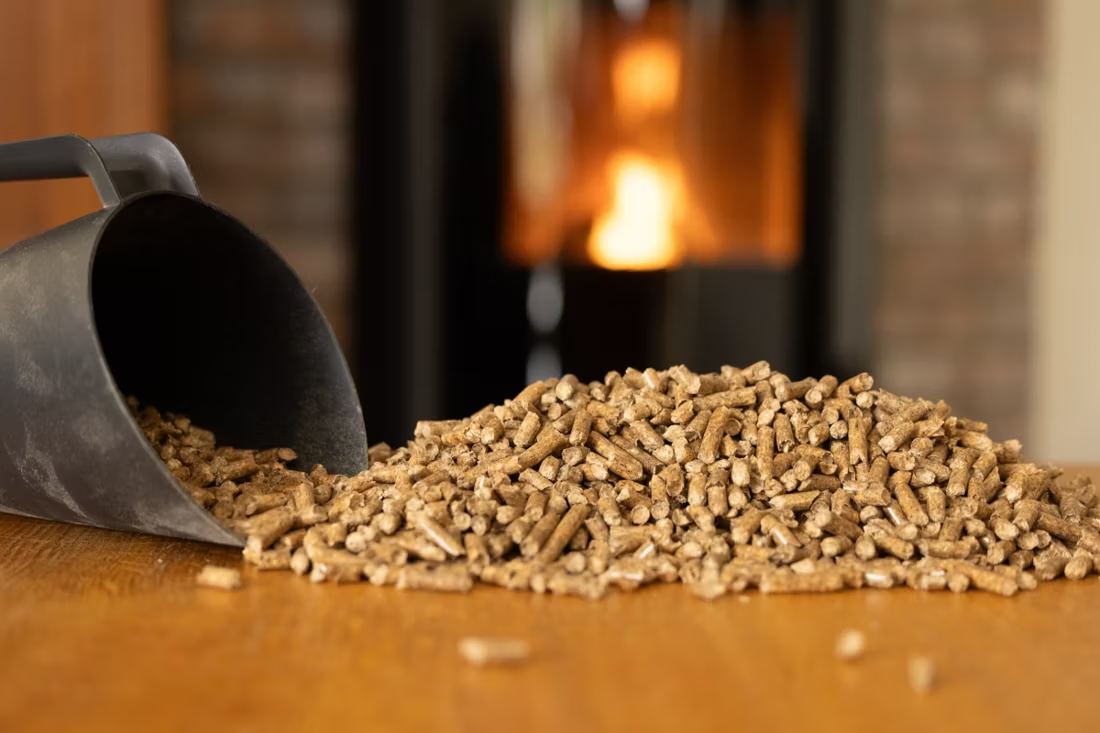
The county's oak, hickory, walnut, and maple forests support a strong regional hardwood-pellet supply chain, with producers like Lignetics and industrial biomass players like Indeck Energy Services operating in the broader Midwest market. Lafayette County has no air quality non-attainment designations or winter burn curtailment periods, so unlike parts of the West and Pacific Northwest, there's no red/yellow burn-day restriction to plan around here—you set the thermostat-like dial and the auger does the rest. That combination of clean-burning convenience and hands-off operation is why pellet inserts have become a popular upgrade for the older masonry fireplaces common in Lexington's historic district and the farmhouses along Route 24.
Three steps. No salesperson until you're ready.
Tell us about your project
Your zip code, your situation, and the fuel you're leaning toward—or let the answers point you to one.
See what's actually available
The brands dealers within 100 miles genuinely carry—real options, never a catalog mirage.
Get your dealer & Project Guide
A trusted local dealer, plus the free Project Guide & Parts List that names every component of the job.
Frequently Asked Questions
How much does a pellet stove installation cost in Lafayette County?
Most pellet stove and insert installations in this part of Missouri run in the $3,000 to $6,500 range, with the spread coming down to the unit's hopper capacity, whether it's a freestanding stove or an insert going into an existing masonry fireplace in a Lexington or Higginsville home, and whether a dedicated electrical circuit needs to be added. Pellet stoves need power to run the auger and combustion blower, so if your panel is older or the stove location is far from an outlet, expect some electrical work added to the quote. A local dealer will give you a firm number after seeing the install location.
What size pellet stove do I need for my Lafayette County home?
It depends on square footage, insulation, and whether you're heating one room or trying to offset a whole-house furnace. Many of the older two-story homes around Lexington and the farmhouses outside Concordia and Wellington run drafty, especially in additions or converted porches, so they typically need a stove on the larger end of a given size class compared to a newer, tightly built home in Odessa or Higginsville. Hopper capacity matters too—a 40-to-60-pound hopper will get you through an overnight burn without a refill on a night near that 18°F average low. A local dealer can size the unit correctly during an in-home look at your space.
Where can I buy pellet fuel in Lafayette County?
Hardwood pellets are widely available through farm supply and hardware stores across the county, and regional producers like Lignetics supply much of the Midwest market with oak and other hardwood blends. Indeck Energy Services also operates in the broader biomass fuel space regionally, though that's more industrial-scale supply than a homeowner's weekly bag run. Pricing fluctuates with the wood pellet market, but budgeting for a full heating season means figuring out your stove's burn rate (usually 1 to 2 forty-pound bags per day in cold stretches) and buying by the ton when possible, since per-ton pricing beats individual bags.
Do I need a permit to install a pellet stove in Lafayette County?
Most pellet stove installations require a building permit, whether you're inside Lexington, Odessa, Higginsville, or Concordia city limits (through that city's building department) or in unincorporated Lafayette County (through the county building department). The permit process typically covers venting placement and clearance-to-combustibles requirements, even though pellet venting is smaller and simpler than a wood stove's chimney. Most local dealers handle the permit paperwork as part of the installation, so it's rarely something homeowners have to navigate on their own.
What's the difference between a pellet stove and a pellet insert?
A pellet stove is a freestanding unit that sits on its own hearth pad and vents out through a wall or existing chimney chase—it can go almost anywhere in a room with the right clearances. A pellet insert is built to slide into an existing masonry fireplace opening, which makes it a natural fit for the older brick fireplaces you'll find in a lot of Lexington's historic homes and farmhouses throughout the county. If you already have a fireplace you're not using, an insert converts it into an efficient, thermostat-controlled heat source without tearing anything out.
What's the best pellet stove for Lafayette County's winters?
With average lows around 18°F and a long, demanding winter heating season, look for a stove with a larger hopper (40 pounds or more) so you're not reloading in the middle of the night, and a model with a reliable auto-ignition and thermostatic feed control so it can run unattended through a cold stretch. Because pellet stoves depend on electricity for the auger and blower, it's worth asking your local dealer about battery backup options—Lafayette County sees occasional winter ice storms that knock out power for a day or more, and a stove that stops feeding pellets during an outage isn't much use as backup heat unless it has a way to keep running.
How much maintenance does a pellet stove need?
Pellet stoves need more frequent light maintenance than wood stoves but far less heavy cleaning. Plan on emptying the ash pan every few days during heavy winter use, wiping the glass, and vacuuming the burn pot weekly. An annual professional inspection and cleaning of the venting and internal components is still recommended, similar to the yearly service a gas or wood appliance needs, and it's worth having done before the coldest months hit in Lafayette County. Skipping the annual service is the most common cause of feed jams and inefficient burns.
How is pellet fuel stored and delivered in Lafayette County?
Pellets need to stay dry—a single wet bag can clog an auger and ruin a burn. Most homeowners store bagged pellets in a garage, basement, or dry outbuilding, which works fine given the humidity swings common along the Missouri River bottoms. Buying by the ton (roughly fifty 40-pound bags) is more economical than buying a few bags at a time through the season, and some regional suppliers offer delivery for larger orders. If you're converting an old corn crib or outbuilding for storage, just make sure it's sealed against moisture before stacking pellets in it.
Pellet stove vs. wood stove—which makes more sense for my Lafayette County home?
Wood is the traditional choice here, and with oak, hickory, walnut, and maple all common in the county's woodlots, self-sourced firewood is realistic for a lot of rural homeowners. Wood stoves also keep working without electricity, which matters during the ice storms that occasionally roll through this part of Missouri. Pellet stoves trade that off-grid resilience for convenience—no splitting, stacking, or hauling, more consistent heat output, and a cleaner burn with less ash. For a primary residence where reliable power is a safe bet and hands-off operation matters more than off-grid backup, pellet often wins. For a rural property where storm-related outages are a real concern, many Lafayette County homeowners keep a wood stove as backup even if pellet is their daily-use choice.
What's the difference between an insert and a zero-clearance fireplace?
An insert is a fireplace that slides into a pre-existing wood-burning fireplace—if you don't have one, there's nothing to insert it into. A zero-clearance fireplace is built into a framed wall, which makes it the answer for remodels and new construction. Simple test: existing masonry fireplace means insert; blank or framed wall means zero-clearance.
How often does a pellet stove need cleaning?
A clean pellet stove is a happy pellet stove. Plan on cleaning the burn pot about once a week when you're burning regularly—ash and clinkers gum up the air holes just like a pellet barbecue. Most pellet stove problems trace back to skipped cleaning that nobody explained up front. Some designs make it easy with a trapdoor burn pot: pull a lever and the gunk drops into the ash pan.
Does a fireplace add value to my home?
On average, a fireplace adds back to the home about the same amount you spent installing it. Add the monthly savings from heating the rooms you actually use instead of the whole house—often hundreds of dollars a year—and the value case is strong before you even count what a fire does for how your family uses the room.
What is an in-home preview and do I need one?
It's a visit where a hearth professional measures your space, confirms the model you picked actually works in your home, and walks the specs—framing, gas line, venting, finish work—before anything is ordered. Some details you just can't know until you see the house. Never make a down payment without one; it's the single most-skipped step that burns buyers.
Stove and Fireplace Dealers in Lafayette County
Pellet Brands Stocked Around Lafayette County
Manufacturers will point you to the nearest stocking dealer.
Find your pellet stove in Lafayette County.
Tell us a bit about your home and we'll match you with a trusted local dealer and send over your free Project Guide & Parts List—a plan for your pellet project in Lafayette County, including the exact parts, vent kit, and our recommended installer.
Find Your Fireplace →