
Keep Your Family Warm and Safe—No Matter What
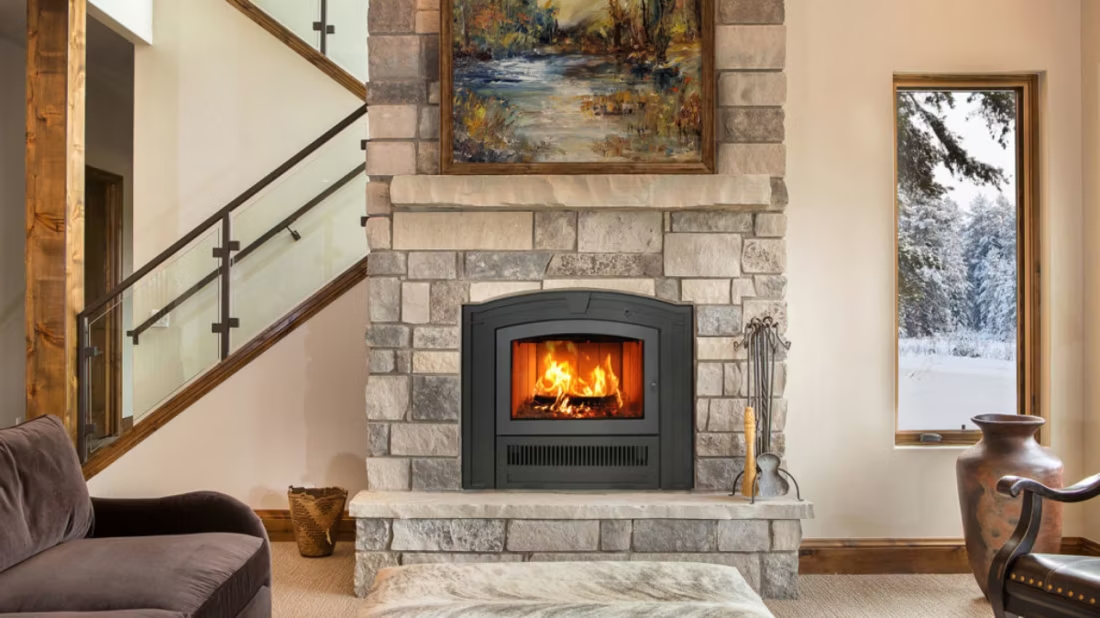
Blue Springs runs mostly on gas furnaces and electric heat, and with a moderate winter heating season and winter lows around 22°F, that setup works fine for most homes. But a real minority still want a wood stove or insert—for ambiance, for backup during an ice storm, or for a fixer-upper with a chimney already in place. I'll match you with a local dealer who still handles it.
Every Project Starts From One of These Five Situations
A suburb built around gas lines and electric panels—with a few holdouts.
Blue Springs is a Kansas City suburb of nearly 59,000 people, and its housing stock reflects that: subdivisions built from the 1970s onward with natural gas furnaces and central air already run to the house, plus a growing number of newer developments—many with HOA covenants—that never anticipated a wood-burning appliance at all. At 914 feet in elevation with a winter low averaging 22°F, the climate here is real but moderate—closer to what you'd feel in Kansas City proper than the deep cold of Fargo or Minneapolis—so most households don't need wood as a primary heat source the way colder, higher-elevation towns sometimes do.
That said, Jackson County still has plenty of oak, hickory, walnut, and maple in its river-bottom timber and older wooded lots, and some homeowners here—especially in older homes near downtown Blue Springs with an existing masonry fireplace, or on larger properties toward the county's rural edges—choose to install or restore a wood stove anyway. The area reports no air quality non-attainment concerns and no seasonal burn bans, so there's no regulatory friction working against you. The main reasons people go this route: a backup heat source for the ice storms that periodically knock out power across western Missouri, or simply wanting a real fire rather than a gas insert.
Three steps. No salesperson until you're ready.
Tell us about your project
Your zip code, your situation, and the fuel you're leaning toward—or let the answers point you to one.
See what's actually available
The brands dealers within 100 miles genuinely carry—real options, never a catalog mirage.
Get your dealer & Project Guide
A trusted local dealer, plus the free Project Guide & Parts List that names every component of the job.
Frequently Asked Questions
Is wood heat actually common in Blue Springs?
No, and it's worth saying plainly: most Blue Springs homes heat with natural gas furnaces or electric systems from Evergy Missouri West, and wood-burning appliances are a genuine minority choice rather than the local default. That doesn't mean it's a bad option—it just means fewer dealers stock a full wood stove lineup compared to gas or electric fireplace inserts, and you may need to look toward the broader Kansas City metro for a specialist who does frequent wood installs alongside their gas work.
How much does a wood stove or insert installation cost in Blue Springs?
Without a large local market, pricing here tracks fairly close to regional Kansas City-area norms: expect roughly $3,000 to $8,000 depending on whether you're inserting into an existing masonry chimney (the cheaper path, common in older homes near downtown Blue Springs) or building new Class A chimney venting through a roof in a subdivision home that never had a fireplace. Get a firm quote from a local dealer—the newer stove-through-wall installs on homes with vaulted ceilings tend to land at the higher end.
Do I need a permit to install a wood stove in Blue Springs?
Yes—new solid-fuel appliance installs need a building permit through the City of Blue Springs' permitting office, and the stove itself should meet current EPA emissions standards. If you're in one of Blue Springs' newer HOA-governed subdivisions, check your covenants too; some restrict exterior chimney stacks or visible flue pipe even where the city itself would otherwise allow it. A reputable local installer will flag this before you buy, not after.
What kind of firewood is available around Blue Springs?
Oak, hickory, walnut, and maple are the hardwoods most common to Jackson County's wooded creek bottoms and older lots, and they're what most local firewood sellers and tree-removal services sell by the cord or rick. Oak and hickory are the preferred splits for anyone using a stove as a real heat source since they burn longer and hotter than the softer maple; walnut is more often mixed in as a lower-density fill wood. There's no national forest cutting-permit system here the way there is out West—most Blue Springs residents buy seasoned wood locally rather than cutting their own.
Does wood heat make sense as backup for power outages in Blue Springs?
It's one of the strongest arguments locals actually make for it. Western Missouri gets periodic ice storms that can knock out power for days, and a wood stove—unlike a gas furnace's electric ignition and blower, or a straight electric system—keeps working with zero electricity. With winter lows averaging 22°F and occasional colder snaps, that's a meaningful safety net for households who want one, even if gas or electric remains their everyday heat.
Can I convert an old fireplace in an older Blue Springs home into a wood-burning insert?
Often, yes. Homes built before the 1980s in and around downtown Blue Springs sometimes have a masonry fireplace that was never a serious heat source—usually undersized, drafty, and rarely used. Sliding an EPA-certified wood insert into that existing firebox, with a stainless liner run up the current chimney, is typically the most cost-effective wood project in this market since you're not building venting from scratch. A local installer can inspect the flue first to confirm it's sound enough to line.
Are there any burn restrictions or air quality rules I should know about?
Blue Springs and Jackson County report no air quality non-attainment designations and no routine winter burn bans, unlike some higher-density or basin-terrain cities where inversions force curtailment periods. That means once you're permitted and running an EPA-certified stove, you generally won't face the kind of seasonal burn restrictions that homeowners in smoggier regions deal with.
What size wood stove do I need for a Blue Springs home?
Given the relatively moderate climate here—this area sees a winter heating season that's noticeable but well short of what a place like Duluth or Bismarck sees—most Blue Springs installs are supplemental rather than whole-house primary heat. A small to mid-size stove rated for 1,000 to 1,800 square feet is usually plenty to heat a main living area or offset a furnace during cold snaps, rather than needing the largest overnight-burn units built for sub-zero climates.
Wood vs. gas or electric—what actually makes sense for most Blue Springs homes?
For day-to-day heat, gas and electric are the practical default here—both are standard, well-supported fuel types in Blue Springs with existing infrastructure in most subdivisions, and neither requires stacking or hauling wood. Wood earns its place as a secondary choice: it's the option that keeps working in an ice-storm outage, and it appeals to homeowners who want a real fire rather than a controlled flame. Most people who install a wood stove here already have gas or electric heat as their primary system and add wood deliberately, not as a replacement.
What's the difference between an insert and a zero-clearance fireplace?
An insert is a fireplace that slides into a pre-existing wood-burning fireplace—if you don't have one, there's nothing to insert it into. A zero-clearance fireplace is built into a framed wall, which makes it the answer for remodels and new construction. Simple test: existing masonry fireplace means insert; blank or framed wall means zero-clearance.
Why won't my new wood stove get going like my old one?
New wood stoves are 70%+ efficient, so far less heat goes up the flue—which also means less draft to get a fire established. The rule: build a genuinely hot fire for about 45 minutes before you choke it down. Skip that and you get smoke in the room, creosote in the chimney, and a fire that never takes off. Most performance complaints trace straight back to this.
What is an in-home preview and do I need one?
It's a visit where a hearth professional measures your space, confirms the model you picked actually works in your home, and walks the specs—framing, gas line, venting, finish work—before anything is ordered. Some details you just can't know until you see the house. Never make a down payment without one; it's the single most-skipped step that burns buyers.
Can I install a fireplace myself?
If you're putting a fire in your house on purpose, it's best to work with an expert. Unless you're genuinely experienced in framing, gas line, vent pipe, and the national code on clearances to combustibles, have a professional do it—and ideally the same company that sells you the fireplace, so warranty, service, and liability all live under one roof.
Nearby Dealers
Hearth shops serving Blue Springs and the surrounding area. Every listing shows whether it is a WhyFire partner, a dealer we have verified as authorized for the brands we recommend, or a local business carrying hearth products. No manufacturer pays for placement. How we verify dealers →
Dillon Heating & Cooling Solutions
The Hayes Co.
Complete Home Concepts - Riverside
Get matched with a Blue Springs dealer who still installs wood stoves.
Tell me about your home—whether it's an older place near downtown Blue Springs with an existing chimney or a subdivision build starting from scratch—and I'll match you with a trusted local dealer and send a free Project Guide & Parts List with the vent kit and parts your project actually needs.
Find Your Fireplace →