
Clean-Burning Heat for Yalobusha County's Mild Winters.
Low-mess, low-hassle heat for the short but real winters of Water Valley, Coffeeville, and the farmland between. Find the right pellet stove and connect with a trusted local dealer.
Every Project Starts From One of These Five Situations
Steady, low-mess heat for a mild Mississippi winter.
Yalobusha County is an unusual place administratively—it's one of the few Mississippi counties with two county seats, Water Valley and Coffeeville, a split dating back to an 1876 courthouse dispute that never got resolved. Climatically it's straightforward: Climate Zone 3A, winter lows averaging around 30°F, and a modest heating season overall—just a fraction of the heating load a place like Duluth, MN or Burlington, VT sees. Most winters bring a handful of hard freezes and the occasional ice storm rather than months of sustained cold, which shapes what kind of heat actually makes sense here.
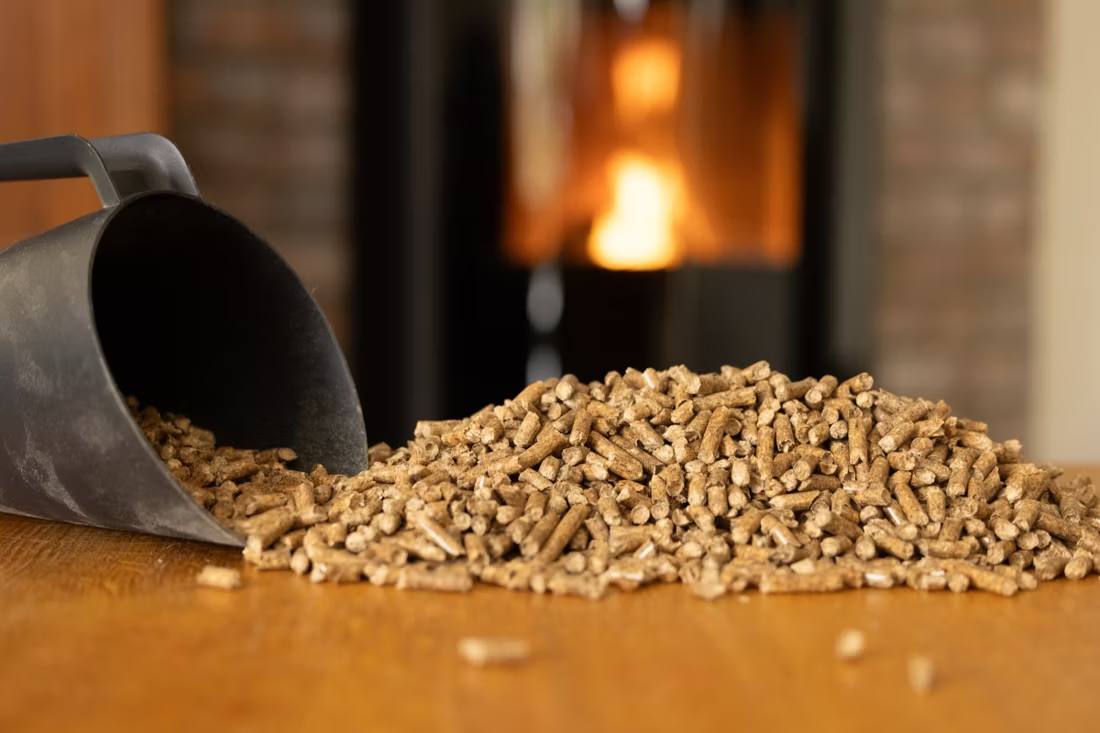
That's exactly the profile where a pellet stove earns its keep. Homeowners in Water Valley, Coffeeville, and the unincorporated stretches of the county use pellet stoves less as a full-time furnace replacement and more as efficient zone heat for a den or living room—no creosote, no splitting and stacking, and a hopper that runs for a day or more between loads. Regional pellet brands including Lignetics, Hamer Pellet Fuel, and Greenway Renewable Energy are commonly stocked at farm-supply and hardware retailers throughout north Mississippi, so fuel is easy to keep on hand without a special trip. Because pellet stoves depend on electricity to run the auger and combustion blower, most local households pair one with a backup plan—a small generator or an alternate heat source—for the occasional ice storm that knocks out power for a day or two, a real seasonal risk in this part of the state.
Three steps. No salesperson until you're ready.
Tell us about your project
Your zip code, your situation, and the fuel you're leaning toward—or let the answers point you to one.
See what's actually available
The brands dealers within 100 miles genuinely carry—real options, never a catalog mirage.
Get your dealer & Project Guide
A trusted local dealer, plus the free Project Guide & Parts List that names every component of the job.
Frequently Asked Questions
How much does a pellet stove installation cost in Yalobusha County?
A freestanding pellet stove installation in Yalobusha County typically runs $3,000 to $6,000, depending on the stove model, whether venting can run straight through an exterior wall, and whether a hearth pad is needed for clearance. A pellet insert going into an existing masonry fireplace usually costs a bit more, since it often needs a stainless liner sized for pellet exhaust rather than wood smoke. Because the county's mild climate keeps heating loads modest, most homeowners here are sizing for a single room or open living area rather than whole-home output, which keeps equipment costs on the lower end compared to colder parts of the country.
What size pellet stove do I need for my home?
With a modest heating season overall and winter lows averaging around 30°F, Yalobusha County homes generally don't need the largest pellet stoves on the market. A small-to-medium unit rated for 1,000 to 1,800 square feet handles most living rooms, dens, or open-plan main areas in the county's site-built and manufactured homes alike. Homeowners looking for near-whole-home coverage in an older, less-insulated farmhouse should size up slightly, but few homes here need the largest-capacity stoves built for sustained sub-zero climates. A local dealer can size it correctly with a quick in-home look at square footage and insulation.
Where can I find a certified pellet stove installer near me?
With a population under 5,000 spread across the county, Yalobusha County doesn't have a large hearth retail presence of its own, so many homeowners work with certified dealers based in nearby Oxford, Grenada, or Batesville who cover Water Valley, Coffeeville, and the surrounding rural routes. Look for NFI (National Fireplace Institute) certification, which confirms training specifically on pellet-burning appliances, venting, and clearances. Expect a modest travel charge for installs in the county's more remote areas, and confirm upfront whether that's included in your quote.
What's the difference between a pellet stove and a pellet insert?
A pellet stove is a freestanding unit that sits on a hearth pad and vents through a wall or existing chimney chase—it can go almost anywhere with the right clearances, which makes it a common choice in the manufactured and single-story homes found throughout the county. A pellet insert is built to slide into an existing masonry fireplace opening, turning an old wood-burning fireplace into a much more efficient, thermostat-controlled heat source using the same chimney for venting. For county homeowners with an existing fireplace in Water Valley or Coffeeville's older housing stock, an insert is usually the simpler retrofit; for homes without one, a freestanding stove is the more practical option.
Do I need a permit to install a pellet stove in Yalobusha County?
Yalobusha County itself does not enforce a countywide building code in unincorporated areas, so permitting requirements largely depend on where in the county you live. Inside city limits—Water Valley or Coffeeville—a building permit is typically required for a new solid-fuel or pellet appliance installation, and local installers generally handle that paperwork as part of the job. Outside city limits, homeowners should still confirm requirements with their homeowners insurance carrier, since insurers often require proof of a code-compliant installation regardless of whether a county permit was pulled.
What's the best pellet stove for Yalobusha County's climate?
Because winters here are mild compared to the northern half of the country, county homeowners generally do better with a mid-size, thermostat-controlled pellet stove than with a large-capacity unit built for extreme cold. Look for a stove with a reliable auto-ignition feature and a wide burn-rate range, since you'll often be running it at a lower setting to take the chill off rather than fighting sustained sub-zero temperatures. Fuel availability matters too—Lignetics, Hamer Pellet Fuel, and Greenway Renewable Energy pellets are all reasonably accessible through regional farm-supply and hardware retailers, so it's worth checking with a local dealer about which brand they stock most consistently before you commit to a stove.
Where can I buy pellet fuel in Yalobusha County?
Pellet fuel is typically sold in 40-pound bags through farm-supply stores and hardware retailers across north Mississippi, with regional brands like Lignetics, Hamer Pellet Fuel, and Greenway Renewable Energy commonly available. Bagged pellets in this region generally run in the $5 to $7 per bag range, which works out to roughly $250 to $280 per ton if you're buying by the pallet—a common approach for households running a stove through the full winter. Because heating needs are modest here, many homeowners get through a season on two to four tons rather than the six-plus tons typical of colder climates.
Will my pellet stove work if the power goes out?
No—pellet stoves need electricity to run the hopper auger and combustion blower, so they'll shut down in a power outage even with fuel loaded. That's an important consideration in Yalobusha County, where ice storms occasionally knock out power for a day or more during the coldest stretches of winter. Some homeowners address this by keeping a small backup generator on hand specifically to run the stove during outages, while others pair a pellet stove for everyday convenience with a wood-burning fireplace or stove elsewhere in the house for true outage-proof backup heat.
Pellet stove vs. wood stove—which is right for my home?
Wood stoves run without electricity, work well with the oak, pine, and pecan that's common firewood throughout north Mississippi, and hold appeal for homeowners who want a traditional fire and don't mind the splitting, stacking, and ash cleanup that come with it. Pellet stoves trade that hands-on ritual for convenience—load the hopper, set the thermostat, and let automatic feed and ignition do the rest, with far less ash and no chimney creosote buildup to manage. Given Yalobusha County's mild winters and modest heating loads, many homeowners here choose pellet for day-to-day comfort and convenience, while keeping wood-burning capability elsewhere in the home as a hedge against the occasional multi-day ice storm outage.
What's the difference between an insert and a zero-clearance fireplace?
An insert is a fireplace that slides into a pre-existing wood-burning fireplace—if you don't have one, there's nothing to insert it into. A zero-clearance fireplace is built into a framed wall, which makes it the answer for remodels and new construction. Simple test: existing masonry fireplace means insert; blank or framed wall means zero-clearance.
How often does a pellet stove need cleaning?
A clean pellet stove is a happy pellet stove. Plan on cleaning the burn pot about once a week when you're burning regularly—ash and clinkers gum up the air holes just like a pellet barbecue. Most pellet stove problems trace back to skipped cleaning that nobody explained up front. Some designs make it easy with a trapdoor burn pot: pull a lever and the gunk drops into the ash pan.
Can I install a fireplace myself?
If you're putting a fire in your house on purpose, it's best to work with an expert. Unless you're genuinely experienced in framing, gas line, vent pipe, and the national code on clearances to combustibles, have a professional do it—and ideally the same company that sells you the fireplace, so warranty, service, and liability all live under one roof.
Does a fireplace add value to my home?
On average, a fireplace adds back to the home about the same amount you spent installing it. Add the monthly savings from heating the rooms you actually use instead of the whole house—often hundreds of dollars a year—and the value case is strong before you even count what a fire does for how your family uses the room.
Stove and Fireplace Dealers in Yalobusha County
Pellet Brands Stocked Around Yalobusha County
Manufacturers will point you to the nearest stocking dealer.
Find your pellet stove in Yalobusha County.
Tell us a bit about your home and heating goals, and we'll match you with a trusted local dealer—plus send you a free Project Guide & Parts List covering the exact equipment, venting, and installation plan for your Yalobusha County pellet project.
Find Your Fireplace →