
Steady, low-maintenance heat for Butler County winters.
Thermostat-controlled warmth for the Green River valley's cold months—without the splitting, stacking, and hauling that come with cordwood. Find the right pellet stove or insert and get matched with a trusted local dealer.
Every Project Starts From One of These Five Situations
Convenient heat for a hardwood county.
Butler County sits in the oak-hickory hill country of south-central Kentucky along the Green River, in climate zone 4A with a solid, multi-month winter heating season and winter lows that average around 24°F. That's a real heating season—several solid months of cold, with occasional harder snaps—but it's not the kind of brutal, sustained cold that demands the biggest catalytic wood stoves you'd find further north. For a rural county with a small, spread-out population, that makes pellet stoves an appealing middle path: real heat output, but you're not out in the yard splitting oak and hickory rounds every weekend.
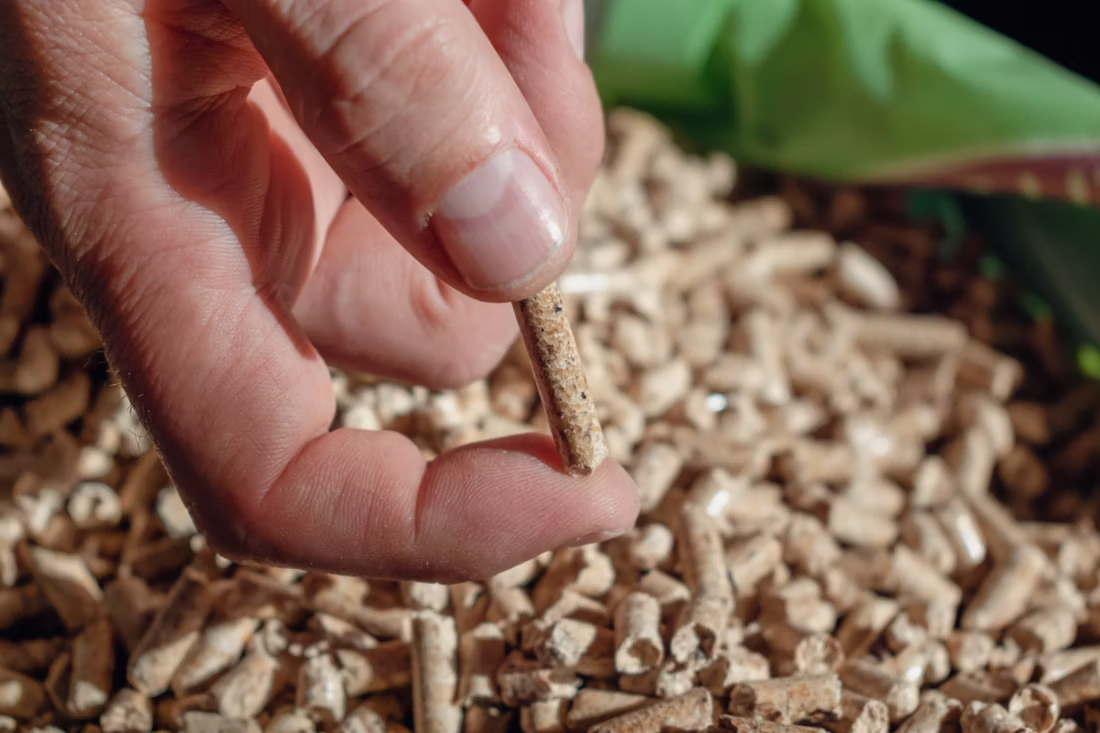
Butler County's forests are dominated by oak, hickory, maple, and cherry, and that same hardwood base feeds much of the regional pellet supply—brands like Lignetics, Hamer Pellet Fuel, and Greenway Renewable Energy all draw on Kentucky and lower-Midwest hardwood mill byproduct to make dense, low-ash fuel. There are no air quality non-attainment concerns or winter inversion issues here, so pellet stoves run without the curtailment restrictions you see in some western counties—you can burn on the coldest night of the year without checking an advisory. The one thing to plan around: pellet stoves need electricity to run the auger and blower, which matters in a rural county where outages happen. A battery backup or small generator is worth budgeting for alongside the stove itself.
Three steps. No salesperson until you're ready.
Tell us about your project
Your zip code, your situation, and the fuel you're leaning toward—or let the answers point you to one.
See what's actually available
The brands dealers within 100 miles genuinely carry—real options, never a catalog mirage.
Get your dealer & Project Guide
A trusted local dealer, plus the free Project Guide & Parts List that names every component of the job.
Frequently Asked Questions
How much does a pellet stove installation cost in Butler County?
Pellet stove installations typically run in line with national averages—roughly $3,000 to $6,000 for the unit and installation, depending on the model, hopper size, and whether you're venting through an existing chimney or running new sidewall venting. Converting an existing masonry fireplace to a pellet insert usually falls toward the lower end of that range since it reuses the existing chimney opening. A local dealer serving Butler County can give you a firm number after seeing your home, but expect the venting work—not the stove itself—to be the main cost driver in older farmhouses and homes without existing chimneys.
What size pellet stove do I need for my home?
With Butler County's solid, multi-month winter heating season and winter lows averaging in the mid-20s, most homes here don't need the largest pellet stoves on the market. A stove rated for 1,000–1,500 square feet handles a typical living area or supplemental zone; 1,500–2,400 square feet covers most whole-home installations in a reasonably insulated house. Older, drafty farmhouses common in this part of Kentucky may need to size up a step compared to a newer, tightly built home of the same square footage. A local dealer will factor in ceiling height, window count, and insulation before recommending a specific hopper and BTU rating.
Pellet stove vs. wood stove—which makes more sense in Butler County?
Wood is genuinely abundant here—oak, hickory, maple, and cherry all grow locally, and plenty of Butler County households already have access to cordwood through land they own or family land. Wood stoves also keep working during a power outage, which matters in a rural county where the electric grid can be slower to restore. Pellet stoves trade that self-sufficiency for convenience: load the hopper, set the thermostat, and you're done—no splitting, stacking, or creosote buildup to manage, and a cleaner burn with less ash. If you already have a wood supply and want backup heat that works with no power, wood wins. If you want set-and-forget heat and don't mind needing electricity, pellet is usually the easier day-to-day choice.
Where do pellet fuel supplies come from for Butler County homes?
Regional brands like Lignetics, Hamer Pellet Fuel, and Greenway Renewable Energy all supply hardwood pellets made from Kentucky and lower-Midwest mill byproduct—the same oak and hickory that's common in local forests often ends up as feedstock. Pellet pricing tracks national trends, generally in the range of $250 to $300 per ton depending on the season and how far in advance you buy. Buying a full winter's supply (roughly 2-3 tons for an average home) before the fall rush is the most reliable way to avoid mid-winter shortages, and most local hearth dealers can either supply pellets directly or point you to a nearby feed or farm supply store that stocks them.
Do I need a permit to install a pellet stove in Butler County?
Most jurisdictions in Kentucky require a building permit for a new solid-fuel appliance installation, including pellet stoves, since it involves venting through an exterior wall or existing chimney. Check with your local building or fire code office before installation—a reputable local dealer will typically handle this step as part of the install so you're not coordinating it yourself. Because Butler County has no air quality non-attainment restrictions, there are no burn-curtailment rules to worry about once the stove is installed and inspected.
How much maintenance does a pellet stove need?
Pellet stoves are lower-maintenance than wood but not maintenance-free. Plan on emptying the ash pan every few days to weekly depending on use, cleaning the burn pot and glass regularly, and vacuuming the hopper and auger area a few times a season. Most manufacturers recommend a professional inspection and deeper cleaning of the venting once a year, ideally before the heating season starts in the fall. Because pellet fuel burns cleaner than cordwood, you won't see the creosote buildup that drives wood chimney sweeps—but skipping the annual venting check is still the most common way pellet stove owners run into performance problems.
Will my pellet stove work if the power goes out?
No—pellet stoves rely on electricity to run the auger that feeds fuel and the blower that distributes heat, so a power outage means the stove stops working, even with a full hopper. For a rural county where outages can stretch longer than in town, that's worth planning around. Many Butler County pellet stove owners pair their unit with a small battery backup (enough to run the stove's electronics for several hours) or a generator sized to carry the stove through a longer outage. If backup heat during outages is your top priority, a wood stove or a pellet unit with a dedicated battery system are both worth discussing with a local dealer.
What's the best pellet stove for Butler County's climate?
Given the mixed-humid 4A climate and moderate winter lows around 24°F, most Butler County homes do well with a mid-size pellet stove or insert rather than the largest hopper capacities built for far colder regions. Look for a model with a good turndown range (the ability to run low and steady on milder days as well as push hard during a cold snap) since Kentucky winters swing between genuinely cold stretches and much milder days. A local dealer can match hopper size and BTU output to your specific square footage and insulation level.
Pellet stove vs. propane heat—which is right for my home?
Many homes in rural parts of Butler County rely on propane rather than natural gas service, and a propane heater or gas insert offers instant, thermostat-controlled heat without any fuel loading at all. A pellet stove requires more hands-on involvement—filling the hopper and emptying ash—but it burns a domestically sourced, often locally milled fuel rather than a delivered tank fuel subject to propane price swings. If you already have a propane tank and want the least hands-on option, propane heat is simpler. If you'd rather burn a renewable, regionally produced fuel and don't mind a bit more routine upkeep, pellet is a strong fit for this area.
Why is my open fireplace making my house colder?
Open fireplaces suck—literally. As the fire burns, it consumes air your furnace already paid to heat and pulls it out through the chimney, so the house is actually colder after the fire goes out than before you lit it. An insert fixes this: it seals the chimney, puts fixed glass across the front, and turns that hole in your house into a real heat source.
How often does a pellet stove need cleaning?
A clean pellet stove is a happy pellet stove. Plan on cleaning the burn pot about once a week when you're burning regularly—ash and clinkers gum up the air holes just like a pellet barbecue. Most pellet stove problems trace back to skipped cleaning that nobody explained up front. Some designs make it easy with a trapdoor burn pot: pull a lever and the gunk drops into the ash pan.
What is an in-home preview and do I need one?
It's a visit where a hearth professional measures your space, confirms the model you picked actually works in your home, and walks the specs—framing, gas line, venting, finish work—before anything is ordered. Some details you just can't know until you see the house. Never make a down payment without one; it's the single most-skipped step that burns buyers.
Does a fireplace add value to my home?
On average, a fireplace adds back to the home about the same amount you spent installing it. Add the monthly savings from heating the rooms you actually use instead of the whole house—often hundreds of dollars a year—and the value case is strong before you even count what a fire does for how your family uses the room.
Pellet Brands Stocked Around Butler County
Manufacturers will point you to the nearest stocking dealer.
Find your pellet stove in Butler County.
Tell us a bit about your home and we'll put together a free Project Guide & Parts List for your pellet project—the right stove, the vent kit, and a trusted local dealer serving Butler County who can install it correctly.
Find Your Fireplace →