
Real fire looks, zero venting, for Muscatine County homes.
From the river bluffs around Muscatine to West Liberty and Wilton, electric inserts add supplemental warmth and ambiance without a chimney, gas line, or building permit hassle. Find the right unit and connect with a trusted local dealer.
Every Project Starts From One of These Five Situations
Ambiance and easy supplemental heat, no venting required.
Muscatine County sits in climate zone 5A along the Mississippi River, with average winter lows around 13°F and a heating season that runs long and cold—closer in feel to Madison, WI than to most of the Midwest's milder pockets. Homeowners here have long relied on wood-burning fireplaces using local oak, hickory, and walnut for primary or backup warmth, but electric fireplaces have carved out a real niche of their own across the county—in finished basements, bedrooms, condos, and apartments where a wood or gas unit isn't practical or allowed.
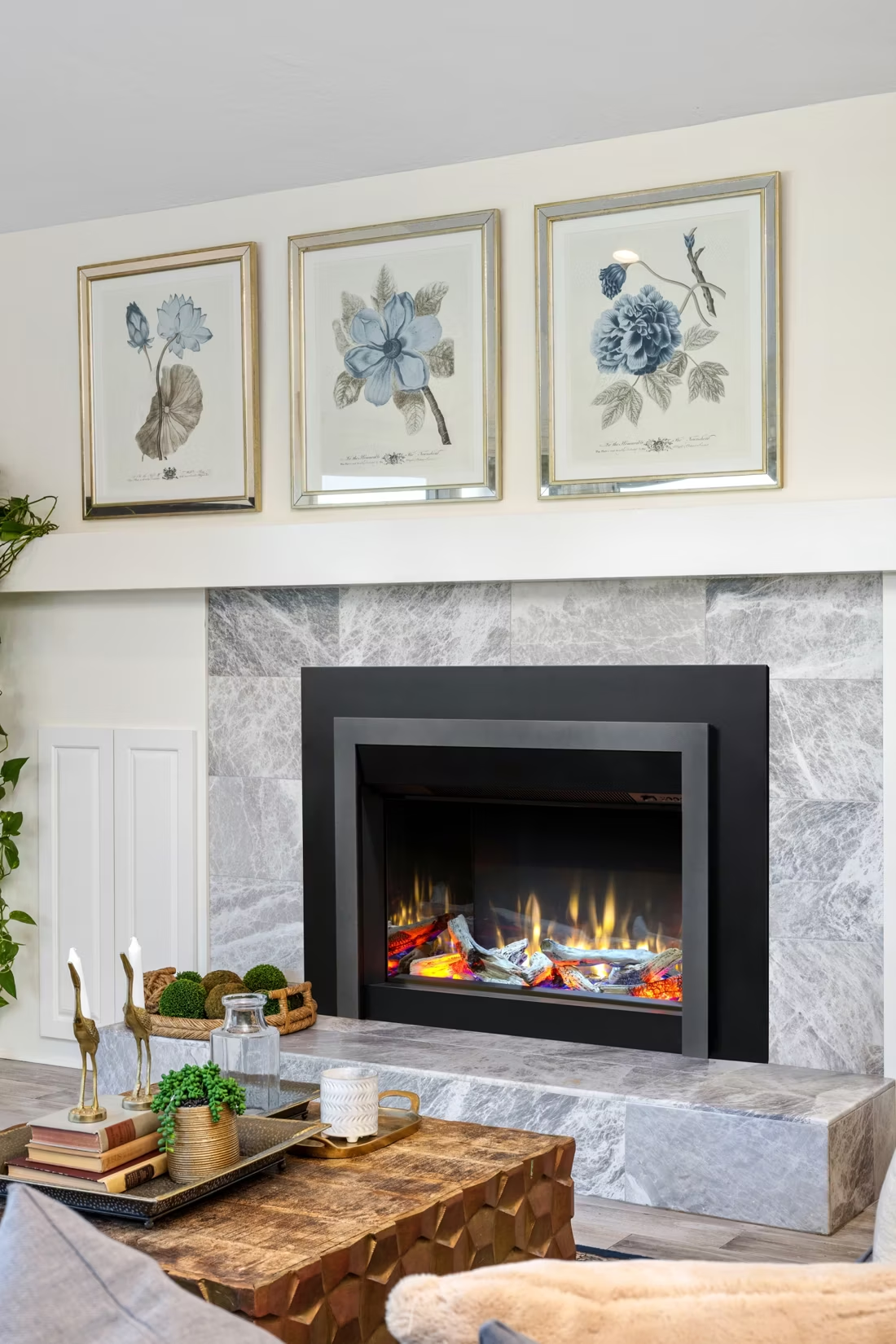
An electric fireplace or insert plugs into a standard outlet, so there's no chimney to build, no gas line to run, and no county building permit to pull for most installations—which makes it one of the fastest and least disruptive hearth upgrades available in Muscatine, West Liberty, or Wilton. It won't replace a furnace during a January cold snap, but it adds real supplemental warmth to a single room and the visual presence of a fire year-round, whether you're heating a rental unit downtown or finishing a den in a rural farmhouse outside the city.
Three steps. No salesperson until you're ready.
Tell us about your project
Your zip code, your situation, and the fuel you're leaning toward—or let the answers point you to one.
See what's actually available
The brands dealers within 100 miles genuinely carry—real options, never a catalog mirage.
Get your dealer & Project Guide
A trusted local dealer, plus the free Project Guide & Parts List that names every component of the job.
Frequently Asked Questions
How much does an electric fireplace installation cost in Muscatine County?
Most electric fireplace or insert installations in Muscatine County run $400 to $1,200. A simple plug-in insert dropped into an existing masonry fireplace opening sits at the low end, while a built-in wall unit with custom framing, trim carpentry, or a dedicated 120V or 240V circuit run by an electrician lands at the higher end. Because there's no venting or gas work involved, labor costs stay modest compared to wood or gas installs—the bulk of the cost is usually the unit itself and any surrounding millwork.
Do I need a permit to install an electric fireplace in Muscatine County?
In most cases, no. A plug-in electric insert or freestanding unit that uses an existing outlet typically doesn't require a permit through the county or city. If your installation requires a new dedicated circuit—common for larger built-in units—a licensed electrician will need to pull an electrical permit, which is a straightforward process handled by most local installers as part of the job. There's no chimney, gas line, or combustion venting to inspect, which is a big part of why electric installs move faster than wood or gas projects in Muscatine County.
Will an electric fireplace actually heat my room in a Muscatine County winter?
It will take the edge off a single room, but it's supplemental heat, not primary heat. Most electric fireplace inserts put out around 5,000–5,500 BTUs—enough to warm a bedroom, den, or basement family room, but not enough to carry a whole house through a stretch of single-digit lows like the county sees most winters. Think of it as a way to lower your furnace's workload in one room and add ambiance the other 300 days a year when you're not running the heater at all. For a rental unit or apartment in Muscatine where a wood or gas fireplace isn't an option, it's often the only hearth upgrade available.
What's the difference between an electric fireplace, insert, and stove?
An electric fireplace is typically a built-in unit set into a wall or mantel surround, an electric insert is sized to slide into an existing masonry fireplace opening (a common retrofit for older Muscatine homes with an unused wood fireplace), and an electric stove is a freestanding unit styled to look like a traditional wood or pellet stove, often with a stovepipe accent that isn't functional venting. All three plug into standard household power and produce the same style of LED or water-vapor flame effect—the choice comes down to your existing opening and the look you want, not heat output, which is similar across all three formats.
Can an electric fireplace go in a bedroom or apartment in Muscatine?
Yes—electric is generally the safest hearth option for a bedroom, apartment, or rental in Muscatine County precisely because there's no open flame, no combustion byproducts, and no venting to worry about. Many local apartment complexes and rental properties that prohibit wood or gas appliances allow electric units without restriction. It's also a common choice for finished basements and condos where running a chimney or gas line isn't feasible.
How does an electric fireplace compare to a wood fireplace for a Muscatine County home?
Wood fireplaces burning local oak, hickory, or walnut deliver serious heat output and keep working during a power outage—a real consideration given the county's long, cold winters—but they require a chimney, regular cleaning, and firewood handling. Electric fireplaces install in an afternoon, need zero maintenance beyond dusting, and cost a fraction as much upfront, but they do nothing during a power outage and won't meaningfully heat a whole room on their own. Many homeowners in Muscatine end up with both: wood or gas in the main living area for real heat, and electric in a secondary room like a bedroom or basement for easy ambiance.
How much does it cost to run an electric fireplace in Muscatine County?
Running costs are modest. A typical electric insert on its heater setting draws around 1,500 watts; at Iowa's average residential electricity rates, that works out to roughly 15-20 cents per hour of heater use. Running the unit for flame effect only, with the heater off, uses a fraction of that. Compared to propane or firewood, electric is the cheapest fuel to operate per hour—the tradeoff is that it's also the lowest total heat output of the four fuel types.
Can I use an electric fireplace insert in my existing wood fireplace opening?
Yes, this is one of the most common electric fireplace projects in Muscatine County—dropping an electric insert into an old, unused masonry fireplace opening. It's a popular option for older homes near downtown Muscatine with original brick fireplaces that haven't been used for wood burning in years, often because the chimney needs relining work the homeowner doesn't want to invest in. The insert typically just needs a nearby outlet; no chimney work, sweep, or liner is required since there's no combustion happening.
Electric vs. pellet stove—which is right for my home?
Pellet stoves, using bagged pellets from suppliers like Lignetics, burn real fuel and can serve as a legitimate secondary or even primary heat source for a Muscatine County home, but they require a vent, a hopper to reload, and periodic ash cleanup, and they still need electricity to run the auger and blower. Electric fireplaces need no fuel and no venting at all, but they can't match a pellet stove's heat output for a cold January stretch. If you want real supplemental heat with minimal maintenance and don't mind reloading a hopper, pellet is worth a look; if you want the simplest possible install and ambiance is the priority, electric is the more practical fit.
Can I put a TV above my fireplace?
Yes—with an asterisk. Fireplaces are hot and TVs don't like heat. Either put a mantel between them to deflect rising warmth, or choose a fireplace with heat-management technology that creates a cool zone on the wall above—the wall stays around 125 degrees, barely warm, while the room still gets full heat. If you like clean lines and don't want a mantel, heat management is the answer.
Do electric fireplaces actually produce heat?
Yes—most put out around 4,800–5,000 BTUs from a standard outlet, which comfortably warms a bedroom, office, or den as a comfort-zone heater. What they won't do is carry a whole house the way wood, gas, or pellet can. Think of electric as ambiance-first with honest supplemental heat: flames on with no heat in July, flames plus warmth in January.
How much should I budget for a fireplace?
For an average home—covering the fireplace, the vent pipe, and basic installation—a budget between $3,900 and $5,500 gives you a lot of options across wood, gas, and pellet. By the time you add finish work, gas line, and electrical, the average complete installation lands between $5,000 and $12,000 all-in. In a remodel or new build, a good rule is to put about 2.5% of the total project cost toward the fireplace.
What is an in-home preview and do I need one?
It's a visit where a hearth professional measures your space, confirms the model you picked actually works in your home, and walks the specs—framing, gas line, venting, finish work—before anything is ordered. Some details you just can't know until you see the house. Never make a down payment without one; it's the single most-skipped step that burns buyers.
Stove and Fireplace Dealers in Muscatine County
Get your Muscatine County electric fireplace Project Guide & Parts List.
Tell us a bit about your home and we'll match you with a trusted local dealer and a free Project Guide & Parts List for your electric fireplace or insert—sized right, wired right, no big-box guesswork.
Find Your Fireplace →