
Pellet heat is a niche choice in Quincy—but it can still be the right one.
Gas and electric dominate home heating in Quincy, but a small number of homeowners still choose pellet stoves for supplemental warmth and a cleaner burn than cordwood. I'll help you figure out if it's the right fit—and match you with a local dealer who can install it correctly.
Every Project Starts From One of These Five Situations
Pellet stoves aren't the default here—and that's fine.
Quincy sits in climate zone 5A along the Mississippi River in west-central Illinois, at 633 feet, where the winter heating season adds up to a moderately demanding one and winter lows average 19°F—cold enough to need real heat, but nowhere near the extremes of Fargo, ND or Duluth, MN. That moderate cold, combined with broad natural gas coverage across the city, means pellet stoves never became the default heating appliance here the way they have in more rural, off-grid pockets of the Midwest. Pellet fuel relevance in Quincy is genuinely niche: most homeowners who want supplemental or backup heat reach for a gas insert or an electric option first.
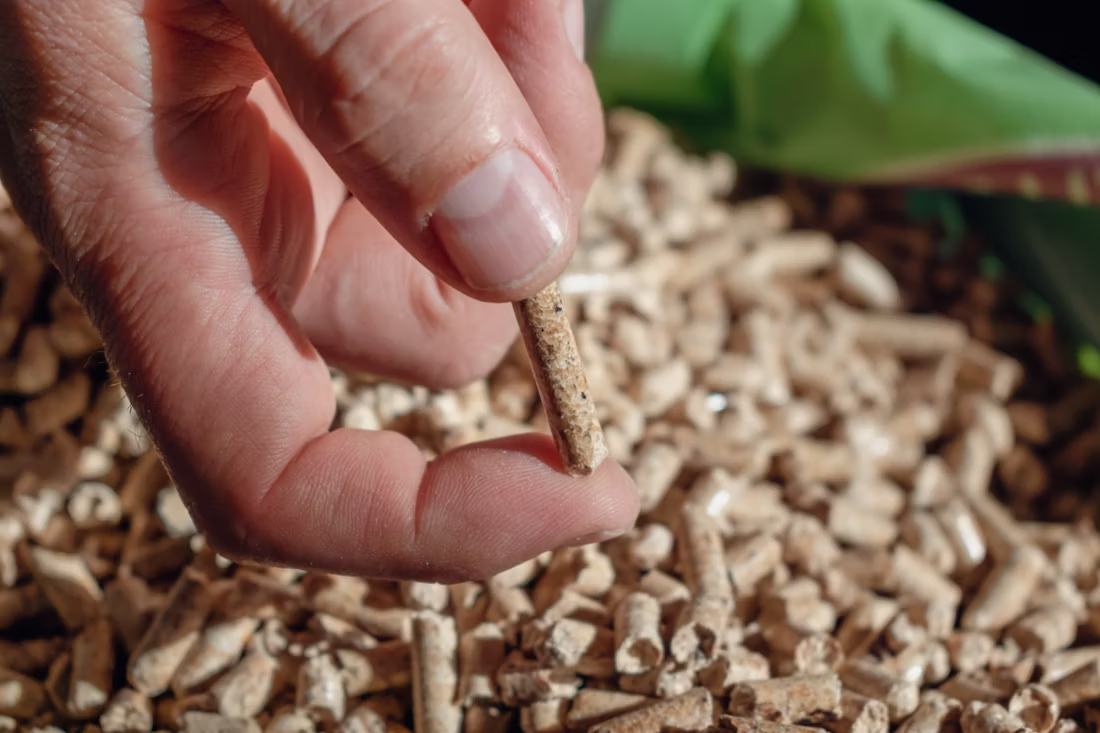
That doesn't mean pellet heat is off the table—it means it's a deliberate choice rather than the local default. Pellet fuel is available through regional suppliers like Indeck Energy Services, Lignetics, and Somerset Pellet Fuel, and Quincy's clean air record (no non-attainment designations or seasonal burn restrictions) means a pellet stove can run whenever you want without curtailment concerns. The auger, igniter, and blower do draw continuous household power, worth noting since Quincy runs on a mix of Ameren Illinois and Adams Electric Cooperative service at roughly 11.76 cents per kWh—competitive rates that also make simple electric fireplaces and heaters an easy fallback for anyone who decides pellet isn't the right fit.
Three steps. No salesperson until you're ready.
Tell us about your project
Your zip code, your situation, and the fuel you're leaning toward—or let the answers point you to one.
See what's actually available
The brands dealers within 100 miles genuinely carry—real options, never a catalog mirage.
Get your dealer & Project Guide
A trusted local dealer, plus the free Project Guide & Parts List that names every component of the job.
Frequently Asked Questions
Are pellet stoves common in Quincy, IL, or does everyone just use gas?
Gas and electric are the standard heating choices in Quincy, and pellet fuel relevance here is genuinely niche—most homes with natural gas service, which covers the bulk of the city, install a gas insert or furnace long before considering a pellet stove. That said, a pellet stove still makes sense for specific situations: a detached shop or cabin outside gas service, supplemental heat for a drafty add-on, or a homeowner who wants the look and radiant feel of a stove without cordwood storage and chimney maintenance. It's a smaller market than in more rural, off-grid parts of the Midwest, but it's not an unreasonable choice.
How much does a pellet stove installation cost in Quincy?
Pellet stove installs typically run in the $3,000–$6,000 range across the Midwest, depending on the unit, whether you need a new through-wall vent kit, and any hearth pad or clearance work. Because pellet stoves aren't a high-volume product locally, pricing can vary more between dealers than it does for gas inserts—get quotes from at least two trusted installers before committing. A dealer serving Quincy can walk your specific home and give you a firm number.
Where can I buy pellet fuel near Quincy?
Regional pellet brands like Indeck Energy Services, Lignetics, and Somerset Pellet Fuel supply much of the Midwest market and are typically stocked by hearth retailers and farm supply stores serving the Quincy area. Because pellet stoves are a smaller share of the local heating market, availability can be seasonal—buying your season's supply in early fall before demand picks up is the safer bet rather than waiting for a January cold snap.
Will my pellet stove work during a power outage?
No—this is the most important thing to understand about pellet stoves in Quincy. Unlike a wood stove, a pellet stove's auger, igniter, and blower all run on standard household current, supplied locally by Ameren Illinois or Adams Electric Cooperative depending on your address. If you're choosing a pellet stove specifically for storm-outage backup heat, it won't do that job without a battery backup or generator. Homeowners who need heat that works with the power off usually look at a vented gas fireplace with battery-backed ignition instead.
Pellet stove vs. gas fireplace—which makes more sense in Quincy?
For most Quincy homes, gas wins on convenience: instant on-off operation, no fuel storage, and no hopper to refill. Pellet stoves offer a live-fire look and radiant heat gas can't fully replicate, plus lower running costs in homes without existing gas service. But since natural gas already reaches most of the city, gas conversions and inserts are far more common here than pellet installations. If your home already has a gas line, a gas insert is usually the simpler and more cost-effective upgrade. If you're outside gas service or want that stove-style heat, pellet is worth a serious look.
Quincy has plenty of oak, hickory, and walnut—why isn't wood or pellet heat more common?
It's a fair question. The hardwood forests along the Mississippi River bluffs around Quincy produce excellent firewood—oak, hickory, walnut, and maple are all common locally—but the city's broad natural gas coverage has made solid-fuel heating a secondary choice rather than a necessity. Unlike more rural or off-grid parts of the Midwest where wood and pellet heat fill a real gap, Quincy homeowners mostly treat stoves as a supplemental or aesthetic choice rather than a primary heat source. That doesn't make pellet heat a bad option—it just means you're choosing it deliberately, not out of necessity.
Do I need a permit to install a pellet stove in Quincy?
Most likely yes—a building permit is standard for any new fuel-burning appliance installation, whether that's through the City of Quincy or Adams County depending on your address. Pellet stoves vent through a wall or roof cap rather than a full masonry chimney, so the permit process is generally simpler than a wood stove install, but it still needs to be inspected for proper clearances and venting. A local hearth dealer who regularly pulls these permits will handle the paperwork as part of the installation.
What size pellet stove do I need for a Quincy home?
With winter lows averaging around 19°F and a moderately demanding winter heating season overall, Quincy's climate calls for a mid-size pellet stove for most homes—enough to comfortably heat 1,000 to 2,000 square feet as supplemental heat, or a smaller unit if you're just warming a single room or finished basement. Because pellet stoves aren't heating whole homes as primary systems here the way furnaces are, most local buyers are sizing for a specific room or zone rather than the entire house. A dealer can size it based on your square footage and insulation.
How much maintenance does a pellet stove require?
Less than a wood stove, but not zero. Plan to empty the ash pan every few days during regular use, clean the burn pot weekly, and have the unit professionally serviced once a year—checking the auger, exhaust blower, and venting for buildup. Quincy's moderate winters mean most pellet stove owners here are running the unit as supplemental heat rather than around the clock, which keeps annual maintenance on the lighter end compared to a primary-heat setup in a colder climate.
Why is my open fireplace making my house colder?
Open fireplaces suck—literally. As the fire burns, it consumes air your furnace already paid to heat and pulls it out through the chimney, so the house is actually colder after the fire goes out than before you lit it. An insert fixes this: it seals the chimney, puts fixed glass across the front, and turns that hole in your house into a real heat source.
What does it take to replace an existing fireplace?
Fireplaces are like icebergs—bigger behind the wall than in front of it. Replacement means removing the surrounding tile or stone (the finish material laps onto the fireplace face), pulling the old unit, setting the new one in the same enclosure, and re-finishing the wall. A hearth professional can determine what's behind your wall without demolition during an in-home preview.
What is an in-home preview and do I need one?
It's a visit where a hearth professional measures your space, confirms the model you picked actually works in your home, and walks the specs—framing, gas line, venting, finish work—before anything is ordered. Some details you just can't know until you see the house. Never make a down payment without one; it's the single most-skipped step that burns buyers.
Can a fireplace actually lower my heating bill?
Yes—by creating a comfort zone. A furnace heats every square foot of the house just to warm the one room you're in; a gas fireplace on low burns roughly a sixth of the gas a typical furnace does. Set the furnace around 55–60 degrees as a baseline, then heat the rooms your family actually uses. Families who heat this way commonly save $20–$60 a month.
Nearby Dealers
Hearth shops serving Quincy and the surrounding area.
Pellet Brands Stocked Around Quincy
Manufacturers will point you to the nearest stocking dealer.
Find your pellet stove in Quincy.
Tell us about your home and heating goals, and we'll match you with a trusted local dealer who can tell you honestly whether pellet is the right fit—plus a free Project Guide & Parts List with the exact vent kit and parts your installation needs.
Find Your Fireplace →