
Pellet stoves are rare in Tattnall County—here's where to find one anyway.
With winter lows averaging 38°F and a winter heating season that's light most years, most Tattnall County homes never need a dedicated heating appliance. For the handful who still want one—for a hunting camp, a drafty farmhouse, or a backup during an ice-storm outage—we'll match you with a real local dealer who can size and install it correctly.
Every Project Starts From One of These Five Situations
A biomass powerhouse, a heating afterthought.
Tattnall County sits in the coastal plain of southeast Georgia, around Reidsville, Glennville, Cobbtown, and Manassas, in IECC climate zone 2A—hot, humid, and mild in winter. The winter heating load here is light, just a fraction of what a stove-heavy market like Bozeman, MT or Duluth, MN sees. The oak, pine, and hickory that fill the county's timberland get cut for lumber, pulpwood, and firewood for the occasional outdoor fire pit—not for a whole-house heating strategy, because most winters here simply don't demand one.
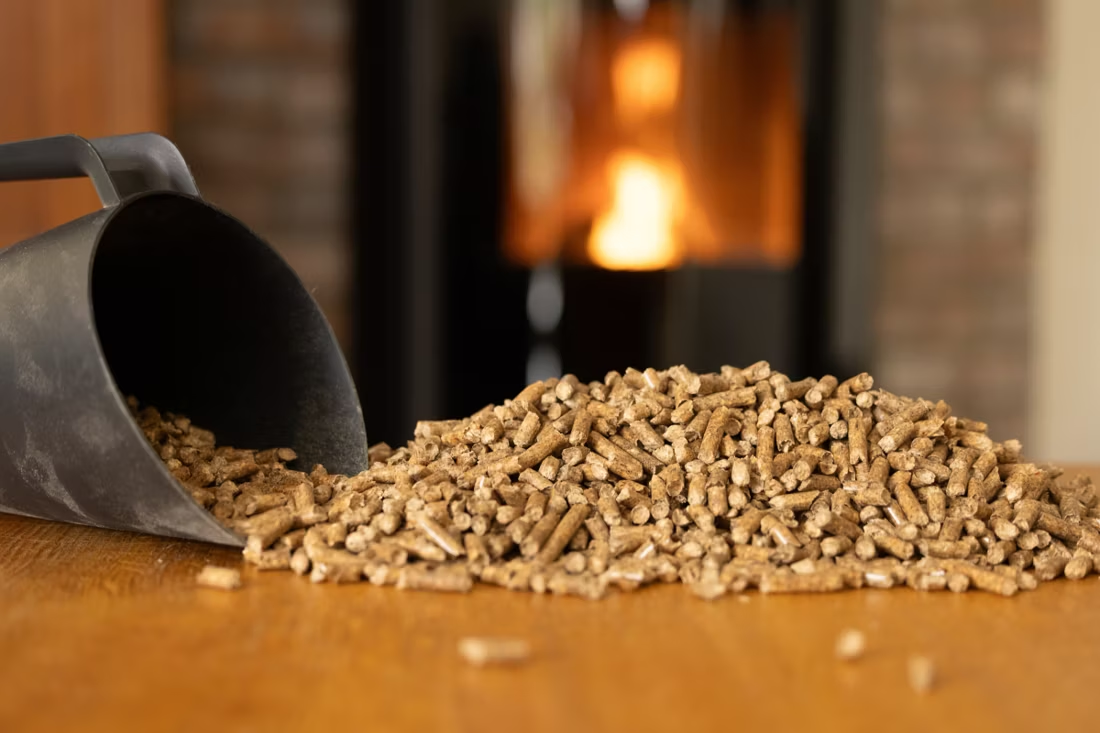
There's an irony worth naming: Georgia is one of the largest wood pellet producing states in the country, and companies like Lignetics, Hamer Pellet Fuel, and Greenway Renewable Energy operate pellet manufacturing capacity in this part of the state—much of it destined for export to European power plants and industrial boilers, not bagged product for a residential hopper. So while the raw material is practically made down the road, a homeowner in Tattnall County who wants a pellet stove is still shopping a thin local market. It's a legitimate choice for supplemental warmth, ambiance, or off-grid backup—just not the mainstream heating solution it is farther north.
Three steps. No salesperson until you're ready.
Tell us about your project
Your zip code, your situation, and the fuel you're leaning toward—or let the answers point you to one.
See what's actually available
The brands dealers within 100 miles genuinely carry—real options, never a catalog mirage.
Get your dealer & Project Guide
A trusted local dealer, plus the free Project Guide & Parts List that names every component of the job.
Frequently Asked Questions
How much does a pellet stove installation cost in Tattnall County?
Nationally, a pellet stove installation typically runs $3,000 to $6,500 depending on the unit, whether a new through-wall vent is needed, and any hearth pad work required for clearances. In Tattnall County specifically, expect the estimate to skew toward the higher end of comparable jobs, since there are few local dealers stocking pellet appliances and installers may need to source the unit and vent kit from Savannah or Statesboro. A trusted local installer can give you a firm number once they've seen the room and the venting path.
Does a pellet stove actually make sense in a climate this mild?
For most Tattnall County homes, no—not as a primary heat source. With an average winter low around 38°F and a winter heating load that's light most of the year, most homes stay comfortable on a heat pump or gas furnace alone. Where a pellet stove earns its place is supplemental warmth during the occasional hard freeze, ambiance in a den or sunroom, or backup heat for rural properties that lose power during ice storms. If any of those describe your situation, a smaller pellet unit is a reasonable choice—just don't expect it to be your main heating appliance the way it would be in a colder climate.
Where can I find a pellet stove dealer near Tattnall County?
Because demand is low, Tattnall County itself has very few hearth retailers carrying pellet appliances in showroom. Most homeowners end up working with a dealer based in Savannah, Statesboro, or Vidalia who's willing to travel for install and service calls. That's exactly the gap Find My Fireplace is built to close—we track which of those regional dealers actually service Reidsville, Glennville, and the rest of the county, so you're not guessing from a web search.
Where can I buy wood pellet fuel in Tattnall County?
This is one of the odder local wrinkles: Georgia hosts substantial wood pellet manufacturing capacity, including facilities tied to companies like Lignetics and Hamer Pellet Fuel, but most of that output is industrial or export-grade pellet destined for overseas power plants, not the premium bagged fuel a residential stove needs. For day-to-day bags of hardwood or softwood pellets, most Tattnall County residents end up buying from farm supply stores, home centers in Statesboro or Savannah, or ordering pallets online for seasonal delivery.
Do I need a permit to install a pellet stove in Tattnall County?
Yes—a building permit is typically required through the Tattnall County Building & Codes Department for any new fuel-burning appliance, including the through-wall vent a pellet stove uses. Because these installs are infrequent locally, it's worth working with a dealer who has pulled permits in the county before and knows what the inspector will want to see on venting clearances and combustion air.
What size pellet stove do I actually need here?
Much smaller than you'd size for a cold-climate home. Given Tattnall County's mild winters, a compact pellet stove rated for a single room or open living area is usually plenty—you're heating through occasional cold snaps into the 20s and 30s, not months of sustained freezing weather. Oversizing is the more common mistake locally; a unit sized for a Midwest winter will run on low settings almost constantly here and burn through pellets inefficiently.
How does Georgia's humidity affect a pellet stove?
It matters more than people expect. Wood pellets absorb moisture readily, and southeast Georgia's humidity can cause bagged pellets to swell, crumble, or clog a hopper's auger if they're stored in a garage, shed, or crawlspace without climate control. Anyone installing a pellet stove in Tattnall County should plan for sealed, dry indoor storage—not just a pallet left outdoors under a tarp—to keep the fuel feeding properly and the burn clean.
Pellet stove or gas insert—which makes more sense in Tattnall County?
For most homes here, gas wins on practicality. Propane and natural gas service are both established in the county, a gas insert or fireplace lights instantly with no fuel storage or hopper maintenance, and it holds up fine through the mild winters Tattnall County actually experiences. Pellet makes sense mainly for someone who specifically wants the look and feel of a real fire, doesn't mind managing fuel bags and humidity, or wants an appliance that can run on battery backup during an outage. If you're heating a rural property with unreliable grid power, that tradeoff can tip in pellet's favor.
Pellet stove or wood stove—is either really worth it in Tattnall County?
Both are niche choices here, and for the same reason: winters are too short and mild for either to function as a primary heat source. Wood stoves have the advantage of running with zero electricity, which matters if you're truly off-grid or in a spot with long outage recovery times, and the county's oak and hickory make for good local firewood. Pellet stoves are easier to operate day to day—no splitting or stacking—but need power to run the auger and blower. If you want a stove mainly for backup heat during storms, wood is the more resilient pick. If you want push-button convenience for occasional cool evenings, pellet is simpler.
How often does a pellet stove need cleaning?
A clean pellet stove is a happy pellet stove. Plan on cleaning the burn pot about once a week when you're burning regularly—ash and clinkers gum up the air holes just like a pellet barbecue. Most pellet stove problems trace back to skipped cleaning that nobody explained up front. Some designs make it easy with a trapdoor burn pot: pull a lever and the gunk drops into the ash pan.
What does it take to replace an existing fireplace?
Fireplaces are like icebergs—bigger behind the wall than in front of it. Replacement means removing the surrounding tile or stone (the finish material laps onto the fireplace face), pulling the old unit, setting the new one in the same enclosure, and re-finishing the wall. A hearth professional can determine what's behind your wall without demolition during an in-home preview.
Can I install a fireplace myself?
If you're putting a fire in your house on purpose, it's best to work with an expert. Unless you're genuinely experienced in framing, gas line, vent pipe, and the national code on clearances to combustibles, have a professional do it—and ideally the same company that sells you the fireplace, so warranty, service, and liability all live under one roof.
Does a fireplace add value to my home?
On average, a fireplace adds back to the home about the same amount you spent installing it. Add the monthly savings from heating the rooms you actually use instead of the whole house—often hundreds of dollars a year—and the value case is strong before you even count what a fire does for how your family uses the room.
Pellet Brands Stocked Around Tattnall County
Manufacturers will point you to the nearest stocking dealer.
Find your pellet stove dealer in Tattnall County.
Tell us about your home and how you plan to use the stove—supplemental heat, backup power, or just ambiance—and we'll match you with a real regional dealer who services Tattnall County, plus a free Project Guide & Parts List spelling out the exact unit, vent kit, and install plan for your space.
Find Your Fireplace →