
Instant ambiance for mild Gwinnett County winters.
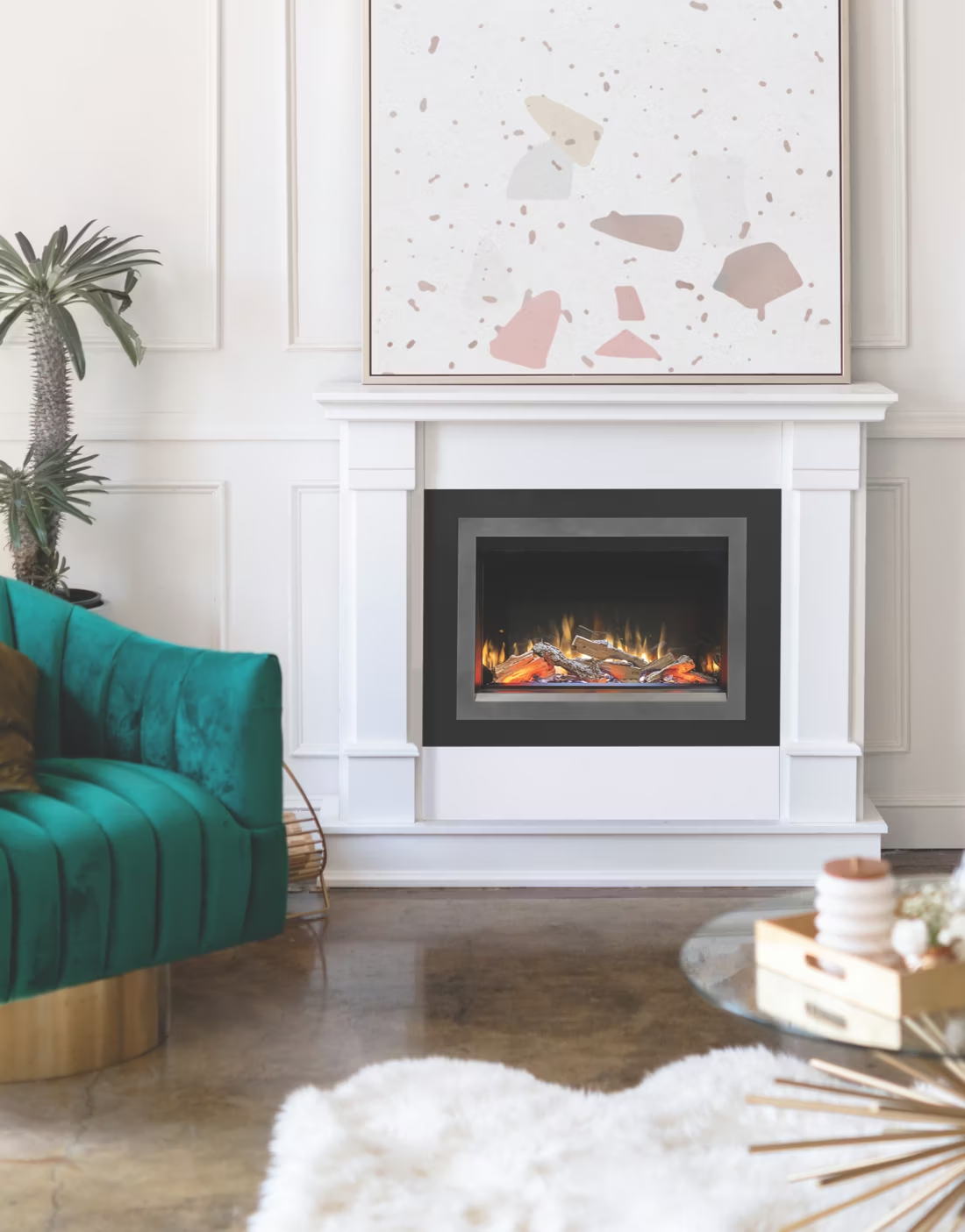
With winter lows averaging 31°F and a mild winter heating load overall, Sugar Hill doesn't need a cordwood pile or a chimney to stay comfortable. I'll match you with a trusted local dealer who can spec the right electric unit for your room and your utility.
Every Project Starts From One of These Five Situations
A short heating season built for zone heat, not wood smoke.
Sugar Hill sits in climate zone 3A at just over 1,000 feet, and the numbers explain why so few homes here burn wood: winter lows average 31°F, and the overall winter heating load comes in at a fraction of what a place like Bozeman or Duluth sees in a single season—and there's no meaningful air quality concern driving people toward cleaner-burning alternatives. Wood stoves and pellet stoves are genuinely uncommon here; the handful that exist tend to be decorative units in older farmhouses rather than a real heating strategy. What Sugar Hill's newer subdivisions and downtown townhomes near The Bowl actually need is supplemental, on-demand heat for a family room or finished basement on the occasional cold snap—which is exactly what an electric fireplace is built for.
Electric service in Sugar Hill splits between Georgia Power and Sawnee Electric Membership Corporation, and the rate difference is real: Georgia Power residential customers pay around 15.49¢ per kWh, while Sawnee EMC's cooperative rate runs closer to 11.54¢. Either way, an electric fireplace or insert draws on a standard or dedicated 120V/240V circuit, needs no venting or chimney, and drops into an HOA-governed subdivision or a downtown townhome without the exterior modifications a gas line or masonry chase would require—a real advantage in a fast-growing city where a lot of the housing stock is under 20 years old.
Three steps. No salesperson until you're ready.
Tell us about your project
Your zip code, your situation, and the fuel you're leaning toward—or let the answers point you to one.
See what's actually available
The brands dealers within 100 miles genuinely carry—real options, never a catalog mirage.
Get your dealer & Project Guide
A trusted local dealer, plus the free Project Guide & Parts List that names every component of the job.
Frequently Asked Questions
How much does an electric fireplace installation cost in Sugar Hill?
Plug-in inserts and mantel packages that use an existing 120V outlet typically run $300 to $1,200 installed, since there's no venting, gas line, or masonry work involved—just placement and trim. A built-in linear electric fireplace wired to a dedicated 240V circuit, which is popular in newer Sugar Hill great rooms and basement remodels, runs higher, often $1,500 to $2,500, mostly for the electrician's time running a new circuit from the panel. A local dealer can tell you which category your room calls for once they see the space.
Built-in, insert, or freestanding—what's the difference?
A built-in electric fireplace is framed into a wall like a TV niche and is common in Sugar Hill's newer construction and remodels near the downtown core. An electric insert drops into an existing masonry or gas firebox—a good option if you've got an old wood-burning fireplace shell you'd rather not use for actual wood. A freestanding or mantel-package unit just needs floor space and a standard outlet, which makes it the fastest option for renters or homeowners who don't want to touch the wiring at all.
Does it matter whether I'm on Georgia Power or Sawnee EMC?
It affects your running cost more than your installation. Georgia Power customers pay roughly 15.49¢ per kWh, while Sawnee Electric Membership Corporation members pay closer to 11.54¢—on a 1,500-watt unit running a few hours a night, that's the difference between about 23 cents and 17 cents an hour. Sugar Hill has pockets of both providers depending on which subdivision you're in, so it's worth checking your bill before you budget for daily use, though it won't change which fireplace you can install.
Do I need a permit to install an electric fireplace in Sugar Hill?
A plug-in unit that uses an existing outlet typically doesn't require a permit. A built-in model wired to a new dedicated circuit does need an electrical permit, pulled through the City of Sugar Hill or Gwinnett County depending on your address, since it involves running new wiring from the panel. Most licensed electricians and hearth dealers who work in the area handle that paperwork as part of the installation.
What size electric fireplace do I need for a Sugar Hill home?
Because winters here rarely demand serious primary heat—average lows only dip to 31°F—most homeowners are sizing for ambiance and supplemental warmth in a single room rather than whole-home output. A standard 1,500-watt unit comfortably takes the chill off a 300-400 square foot family room or basement den, which covers the vast majority of installs in Sugar Hill's typical subdivision floor plans. Larger open-concept great rooms sometimes call for two heat zones or a wider linear unit, but true whole-house heating load isn't the design goal here the way it would be somewhere with a much longer heating season.
How much does it cost to run an electric fireplace here?
A typical 1,500-watt unit draws 1.5 kWh per hour. On Georgia Power's residential rate of about 15.49¢ per kWh, that's roughly 23 cents an hour; on Sawnee EMC's rate of about 11.54¢, it's closer to 17 cents. Running it three or four hours on a cool evening costs well under a dollar either way, which is part of why electric fireplaces are popular here as a supplemental heat source rather than something homeowners worry about budgeting for like a furnace.
Are electric fireplaces a good fit for Sugar Hill's newer townhomes and subdivisions?
Yes—it's one of the main reasons demand has grown alongside the city's population. Newer townhomes near downtown and The Bowl, along with the subdivisions built out over the last two decades, often don't have masonry chimneys at all, and HOA guidelines in many of these communities restrict exterior venting changes. An electric unit sidesteps both issues entirely: no chimney needed, no exterior penetration, and installation that a lot of HOAs don't even require approval for since nothing changes on the outside of the home.
How much maintenance does an electric fireplace need?
Very little compared to a wood or gas unit. There's no chimney to sweep and no burner or pilot to service—mainly occasional dusting of the heater vents and glass, and an LED light or heating element replacement every several years of regular use. That low-maintenance profile is a real selling point in Sugar Hill, where most buyers are looking for supplemental ambiance heat rather than signing up for annual inspections.
Electric vs. gas—which makes more sense for a Sugar Hill home?
Gas fireplaces put out more heat and can act as a genuine backup heat source during a winter storm outage, and natural gas service is available through parts of the city for homeowners who want that. But electric wins on installation simplicity and upfront cost—no gas line, no venting, and a fraction of the install price—which matches how most Sugar Hill homeowners actually use a fireplace: for ambiance and light supplemental warmth during a mild season, not as a primary heat source. Wood and pellet stoves, by contrast, are genuinely rare here; with a fairly light overall winter heating load and no air quality driver pushing people toward a stove, there just isn't the demand base that colder or more rural parts of Georgia see.
Can I put a TV above my fireplace?
Yes—with an asterisk. Fireplaces are hot and TVs don't like heat. Either put a mantel between them to deflect rising warmth, or choose a fireplace with heat-management technology that creates a cool zone on the wall above—the wall stays around 125 degrees, barely warm, while the room still gets full heat. If you like clean lines and don't want a mantel, heat management is the answer.
Do electric fireplaces actually produce heat?
Yes—most put out around 4,800–5,000 BTUs from a standard outlet, which comfortably warms a bedroom, office, or den as a comfort-zone heater. What they won't do is carry a whole house the way wood, gas, or pellet can. Think of electric as ambiance-first with honest supplemental heat: flames on with no heat in July, flames plus warmth in January.
What is an in-home preview and do I need one?
It's a visit where a hearth professional measures your space, confirms the model you picked actually works in your home, and walks the specs—framing, gas line, venting, finish work—before anything is ordered. Some details you just can't know until you see the house. Never make a down payment without one; it's the single most-skipped step that burns buyers.
Does a fireplace add value to my home?
On average, a fireplace adds back to the home about the same amount you spent installing it. Add the monthly savings from heating the rooms you actually use instead of the whole house—often hundreds of dollars a year—and the value case is strong before you even count what a fire does for how your family uses the room.
Nearby Dealers
Hearth shops serving Sugar Hill and the surrounding area.
Gas Equipment Company - Lawrenceville
Electric Service in Sugar Hill
An electric fireplace's heater draws about 1,500 watts—pennies per hour at local rates.
Georgia Power Co
Sawnee Electric Membership Corporation
Get your free Project Guide & Parts List for an electric fireplace in Sugar Hill.
Tell me about your room and whether you're on Georgia Power or Sawnee EMC, and I'll match you with a trusted local dealer and send a free Project Guide & Parts List sized to your space, with the exact unit and circuit needs specified.
Find Your Fireplace →