
Find a pellet stove built for Heard County's short, mild winters.
Thermostat-controlled, hands-off heat for the cool nights along the Chattahoochee—from Franklin to the unincorporated stretches of the county. I'll match you with a trusted local dealer who can size and install the right unit.
Every Project Starts From One of These Five Situations
Steady, hands-off heat for a mild-winter county.
Heard County sits in Climate Zone 3A—humid, hot summers and winters that are genuinely mild by national standards, but not without real cold snaps that push into the teens and 20s a handful of nights each year. With a population around 2,000 spread across Franklin and the surrounding rural stretches near the Chattahoochee River, most homes here don't need—or want—a heating system sized for the coldest week in the Upper Midwest. A pellet stove fits that reality well: it's a controllable, set-it-and-walk-away heat source that can run hard on a cold January night and idle down the rest of the season without you tending a fire.
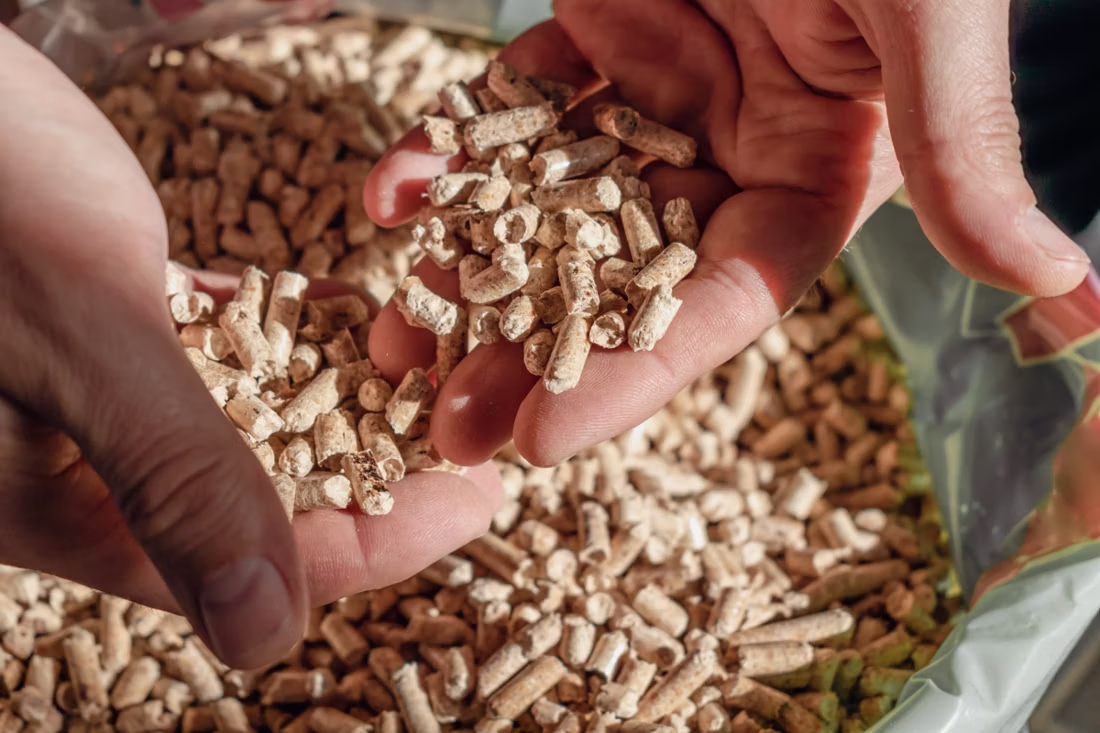
Feedstock isn't a concern in this part of Georgia—oak, pine, and hickory are the dominant species in the county's forests, and regional producers like Lignetics, Hamer Pellet Fuel, and Greenway Renewable Energy manufacture hardwood pellets from exactly that kind of Southeastern timber. There's no non-attainment designation or winter inversion issue here, so there's no curtailment period to plan around—you can run a pellet stove on the coldest morning of the year without checking an air quality advisory first. For a lot of Heard County households, that combination of clean-burning convenience and local pellet supply makes a pellet stove a practical second heat source for a den, a mobile home addition, or a guest space that the central system doesn't quite reach.
Three steps. No salesperson until you're ready.
Tell us about your project
Your zip code, your situation, and the fuel you're leaning toward—or let the answers point you to one.
See what's actually available
The brands dealers within 100 miles genuinely carry—real options, never a catalog mirage.
Get your dealer & Project Guide
A trusted local dealer, plus the free Project Guide & Parts List that names every component of the job.
Frequently Asked Questions
How much does a pellet stove installation cost in Heard County?
Pellet stove and insert installations typically run in the $2,500 to $5,500 range depending on the unit, whether it's a freestanding stove or an insert going into an existing fireplace, and whether venting needs to be run through an exterior wall. Because pellet stoves vent horizontally through a small-diameter pipe rather than requiring a full masonry chimney, installs are generally simpler and less expensive than wood stove installs in the same home. A local dealer will give you a firm number after seeing your fireplace or the room where the stove will go.
Do I need a pellet stove for primary heat or just supplemental heat in Heard County?
Given Heard County's Zone 3A climate, most homeowners here use a pellet stove as supplemental or zone heat rather than a whole-home primary system—the heating season is short enough that a central system usually handles the baseline, with the pellet stove covering the occasional hard freeze and taking the load off the furnace in the den or living room. A small-to-medium unit (rated for 1,000-1,800 sq ft) is plenty for most Heard County homes; you rarely need the largest units sold, which are built for much colder Northern winters.
Where can I find a pellet stove dealer near Heard County?
With a population around 2,000, Heard County itself doesn't support a dedicated hearth showroom, so most residents end up working with dealers based in nearby Carrollton, Newnan, or LaGrange who service the county as part of their regular install territory. That's normal for a rural county this size—the key is making sure whoever installs your stove is familiar with manufactured and older stick-built homes typical of the area, and can size the vent run correctly for your specific wall or fireplace opening.
What's the difference between a pellet stove and a pellet insert?
A pellet stove is a freestanding unit that sits on a hearth pad and vents through a wall or existing chimney—it can go almost anywhere in a room with the right clearances. A pellet insert is built to slide into an existing masonry fireplace opening, turning an old wood-burning fireplace into a thermostat-controlled heat source without tearing anything out. For Heard County homes with an existing brick fireplace that rarely gets used, an insert is usually the more cost-effective route since it reuses the chimney chase you already have.
Do I need a permit to install a pellet stove in Heard County?
Most pellet stove and insert installations require a building permit through the Heard County Building Department in Franklin, since the work involves running a vent through an exterior wall or existing chimney. Most local installers handle the permit paperwork as part of the job, so it's rarely something you have to manage yourself. Unlike a wood stove, there's no EPA certification requirement to worry about for burn-season compliance—pellet units are exempt from air quality curtailment rules in states that have them, though Heard County doesn't have air quality restrictions to begin with.
What's the best pellet stove for a mild Georgia winter?
For Heard County's climate, you don't need the largest-BTU units built for Northern winters—a mid-size stove from a mainstream manufacturer like Harman, Englander, or US Stove will comfortably heat a living area or open den without running at full output constantly, which is easier on the auger motor and the hopper feed over the life of the unit. Look for one with a reliable auto-ignition system and a thermostat input, since that's what lets the stove idle efficiently on the county's many 40-50 degree winter days and ramp up only when a real cold front comes through.
Where do I buy pellets in or near Heard County?
Hardwood pellets from producers like Lignetics, Hamer Pellet Fuel, and Greenway Renewable Energy are widely stocked at farm supply and feed stores throughout west Georgia, and most are made from the same oak, pine, and hickory that grows across Heard County's own timberland. A ton of pellets (roughly 50 forty-pound bags) typically lasts a full heating season for supplemental use in this climate. Buying a full ton or more at a time in early fall, before cold weather hits, is the usual way to avoid picked-over shelves later in winter.
Will my pellet stove work if the power goes out?
No—pellet stoves rely on an electric auger to feed fuel and a blower to distribute heat, so a power outage shuts the stove down unless you have a battery backup or small generator wired in. For rural parts of Heard County where outages can run longer during ice storms or severe weather, some homeowners pair a pellet stove with a small UPS battery unit rated for the stove's draw, or keep a generator on hand. If uninterrupted heat during outages is a priority, a wood stove that doesn't depend on electricity is worth discussing with your dealer alongside pellet options.
Pellet stove vs. wood stove—which makes more sense for Heard County?
Wood is abundant and inexpensive in Heard County—oak, pine, and hickory cover much of the county's land, and plenty of residents already have access to a woodlot or a neighbor who does. Wood stoves also keep working during a power outage, which matters for the county's more rural stretches. Pellet stoves trade that self-sufficiency for convenience: load the hopper, set the thermostat, and walk away, with a cleaner burn and far less ash than cordwood. For a household that wants set-and-forget supplemental heat and doesn't mind buying fuel by the ton instead of cutting it, pellet is usually the easier fit; for households prioritizing outage-proof heat and free or cheap firewood, wood still wins.
Why is my open fireplace making my house colder?
Open fireplaces suck—literally. As the fire burns, it consumes air your furnace already paid to heat and pulls it out through the chimney, so the house is actually colder after the fire goes out than before you lit it. An insert fixes this: it seals the chimney, puts fixed glass across the front, and turns that hole in your house into a real heat source.
How often does a pellet stove need cleaning?
A clean pellet stove is a happy pellet stove. Plan on cleaning the burn pot about once a week when you're burning regularly—ash and clinkers gum up the air holes just like a pellet barbecue. Most pellet stove problems trace back to skipped cleaning that nobody explained up front. Some designs make it easy with a trapdoor burn pot: pull a lever and the gunk drops into the ash pan.
Does a fireplace add value to my home?
On average, a fireplace adds back to the home about the same amount you spent installing it. Add the monthly savings from heating the rooms you actually use instead of the whole house—often hundreds of dollars a year—and the value case is strong before you even count what a fire does for how your family uses the room.
Can I install a fireplace myself?
If you're putting a fire in your house on purpose, it's best to work with an expert. Unless you're genuinely experienced in framing, gas line, vent pipe, and the national code on clearances to combustibles, have a professional do it—and ideally the same company that sells you the fireplace, so warranty, service, and liability all live under one roof.
Pellet Brands Stocked Around Heard County
Manufacturers will point you to the nearest stocking dealer.
Get your Heard County pellet stove Project Guide & Parts List.
Tell me a bit about your home and I'll put together a free Project Guide & Parts List—the exact parts, vent kit, and a matched local dealer for your pellet stove or insert project in Heard County.
Find Your Fireplace →