
Clean, instant heat for Fulton County's mild winters.
With winter lows averaging 34°F and only a short, mild heating season, Fulton County doesn't need a wood-burning setup to stay warm—it needs a gas fireplace that turns on with a switch. Find the right unit for your home, from Buckhead to Alpharetta, and connect with a trusted local dealer.
Every Project Starts From One of These Five Situations
A short heating season, but the right kind of warmth still matters.
Fulton County runs nearly 70 miles from the skyline of downtown Atlanta down to the rolling pastureland around Chattahoochee Hills, and its Climate Zone 3A winters are mild by national standards—a short, mild heating season and average lows in the mid-30s. Wood heat, common a few hundred miles north, is largely absent here; most of the older housing stock that once burned oak, pine, and hickory in open masonry fireplaces around neighborhoods like Grant Park and Inman Park now leans on central HVAC for daily heat and a fireplace for ambiance and the occasional cold snap. That's exactly the gap a gas fireplace fills.
Atlanta Gas Light (AGL) delivers natural gas across virtually all of Fulton County's incorporated cities—Atlanta, Sandy Springs, Roswell, Alpharetta, Johns Creek, Milton—with homeowners choosing their own retail gas marketer under Georgia's deregulated system. That infrastructure makes a direct-vent gas insert a straightforward retrofit into an existing masonry fireplace, and a built-in gas unit an easy addition for new construction or a remodel. It also means that when an ice storm knocks out power for a few days, as has happened more than once across metro Atlanta, a gas fireplace with battery-backed ignition keeps at least one room warm and lit without a generator.
Three steps. No salesperson until you're ready.
Tell us about your project
Your zip code, your situation, and the fuel you're leaning toward—or let the answers point you to one.
See what's actually available
The brands dealers within 100 miles genuinely carry—real options, never a catalog mirage.
Get your dealer & Project Guide
A trusted local dealer, plus the free Project Guide & Parts List that names every component of the job.
Frequently Asked Questions
How much does a gas fireplace installation cost in Fulton County?
A typical gas fireplace installation in Fulton County runs between $3,800 and $10,500, depending on the unit, the venting path, and whether new gas line work is needed. A direct-vent insert dropped into an existing masonry fireplace with gas already run to the hearth sits on the lower end—common in older Buckhead, Virginia-Highland, and Grant Park homes. A new built-in direct-vent fireplace for a remodel or new-construction home in Alpharetta or Milton, requiring framing and a fresh gas line, lands in the middle to upper range. Condo and high-rise installations in Midtown or Buckhead sometimes carry added cost due to building HOA approval and venting constraints. Local retailers provide a firm quote after an in-home consultation.
Can I convert my existing wood fireplace to gas?
Yes, and it's one of the most common projects local hearth dealers handle in Fulton County. Many of the county's older homes—the kind that once burned oak and hickory in an open masonry firebox—still have a functioning chimney that a stainless liner can adapt for a gas insert. The conversion typically runs $4,000 to $8,500 depending on whether the home already has a gas line nearby (common in areas served by Atlanta Gas Light) or needs a new run from the meter. The result keeps the original mantel and masonry look while replacing the smoke, ash, and open-flame maintenance with an on-demand flame.
Do I need natural gas, or is propane more common in Fulton County?
Natural gas is the standard here. Atlanta Gas Light's distribution network covers nearly all of Fulton County's incorporated areas, so most homeowners in Atlanta, Sandy Springs, Roswell, and Alpharetta already have a gas meter to tie into. Propane shows up mainly in newer developments or unincorporated pockets toward Chattahoochee Hills and south Fulton that haven't been reached by gas mains yet. If you're unsure which you have, check your water heater or range—if it's gas-fired, you already have the infrastructure a fireplace installer needs.
Will my gas fireplace work during a power outage?
Most modern gas fireplaces will, which matters more in Fulton County than you might expect given how often ice storms and summer thunderstorms knock out Georgia Power service across the metro area. Units with IPI (intermittent pilot ignition) run on a AA battery backup that kicks in automatically when the power drops, so the fireplace lights on demand just like normal. Valor units go a step further—their pilot's thermocouple generates the small amount of electricity the fireplace needs, so there are no batteries to remember at all. Either way, ask your local dealer about the ignition system before you buy if outage backup matters to you.
What's the difference between a gas fireplace, gas insert, and gas stove?
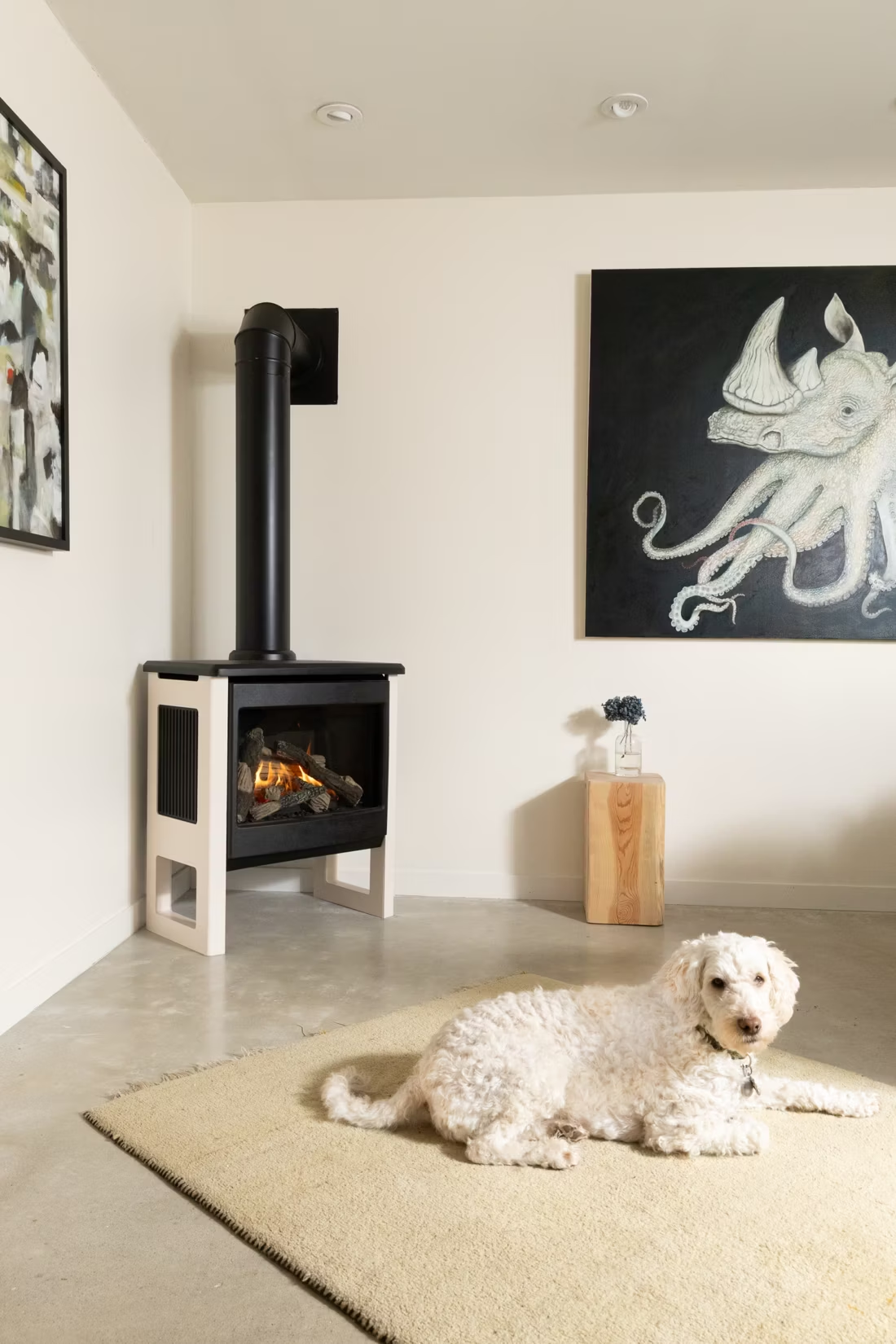
A gas fireplace is a fully built-in unit framed into a wall—the standard choice for new construction in Alpharetta or Milton or a full remodel anywhere in the county. A gas insert is built to slide into an existing masonry firebox, which makes it the natural fit for Fulton County's many older homes with a chimney but no working fire. A gas stove is a freestanding cast-iron or steel unit that sits on the floor and vents like a wood stove but burns gas—a good option for a sunroom or converted garage where there's no existing masonry to work with. Local dealers can walk through which fits your specific layout.
Do I need a permit to install a gas fireplace in Fulton County?
Yes, and where you file depends on which part of Fulton County you're in. Inside city limits, permits go through that city's own office—the City of Atlanta Office of Buildings, Sandy Springs Permits & Inspections, or Roswell's Community Development Department, among others. In unincorporated Fulton County, permits are handled through the Fulton County Department of Planning & Community Services. Every jurisdiction requires a licensed gas-fitter for the gas line work itself, which is why most homeowners let their hearth dealer coordinate permitting, gas line, and venting together rather than juggling separate trades and inspections.
What's the difference between vented and vent-free gas fireplaces?
Vented gas fireplaces—direct-vent or B-vent—pull combustion air from outside and exhaust it back outside through a sealed flue. Vent-free units burn directly into the room with no external venting, which makes them appealing in Buckhead and Midtown condos where running a vent to the exterior isn't practical. Georgia permits vent-free installations, but they come with strict room-size minimums and oxygen depletion sensors, and they release some water vapor and combustion byproducts into the living space. For most single-family homes in Fulton County, a direct-vent unit is the more common recommendation—it delivers real heat output without any indoor air quality tradeoff. Vent-free stays the practical option for condos and tight urban units where venting to the outside simply isn't possible.
How often should my gas fireplace be serviced?
Plan on an annual inspection, ideally before the first cold snap hits in November. A certified technician checks the burner, pilot assembly, venting, and gas connections, and cleans the glass and interior—a much shorter visit than a wood chimney sweep, but just as important for safety. Given how mild Fulton County winters run, some homeowners only fire their fireplace a handful of times a season, which actually makes the annual check more valuable—infrequent use can let dust or debris settle in venting that would otherwise get burned off. Local gas appliance service providers typically charge $150 to $250 for the visit.
Gas vs. wood—which is right for my Fulton County home?
For nearly every Fulton County homeowner, gas is the more practical answer. With Climate Zone 3A winters and only a short, mild heating season, wood isn't doing meaningful heavy-lifting heat duty here the way it does in colder states—and many HOAs and condo buildings across Atlanta and Sandy Springs restrict or prohibit open wood burning outright. A small number of homeowners with existing masonry fireplaces and a taste for cutting their own oak or hickory still choose to keep burning wood for ambiance, but it's the exception rather than the rule. Gas gives you instant on-off operation, no ash or smoke, and reliable performance whether you're using it three times a winter or every night in January.
Can I put a TV above my fireplace?
Yes—with an asterisk. Fireplaces are hot and TVs don't like heat. Either put a mantel between them to deflect rising warmth, or choose a fireplace with heat-management technology that creates a cool zone on the wall above—the wall stays around 125 degrees, barely warm, while the room still gets full heat. If you like clean lines and don't want a mantel, heat management is the answer.
Is my gas fireplace wasting gas?
If it was installed more than 15 years ago, probably. Older gas fireplaces keep a standing pilot light burning all the time, and that little flame can cost a couple hundred dollars a year. Newer models use pilot-on-demand ignition—the pilot lights only when you use the fireplace and goes out when you turn it off.
What is an in-home preview and do I need one?
It's a visit where a hearth professional measures your space, confirms the model you picked actually works in your home, and walks the specs—framing, gas line, venting, finish work—before anything is ordered. Some details you just can't know until you see the house. Never make a down payment without one; it's the single most-skipped step that burns buyers.
Should the dealer who sells my fireplace also install it?
Ideally, yes. A fireplace project involves vent pipe, gas line, electrical, and often tile or stone. Hire three or four separate trades and you own the liability and the game of telephone between them. One company selling and installing means one accountable party, start to finish—ask about factory training, on-time completion records, and what happens if an inspection fails.
Stove and Fireplace Dealers in Fulton County
Listings include WhyFire partner dealers, dealers we have verified as authorized for the brands we recommend, and established local businesses that carry hearth products. Every listing shows which one it is. The ones marked Preferred run on WhyFire's software, so they can show you real pricing and book your appointment right here. No manufacturer pays for placement. How we verify dealers →
North Atlanta Fireplace Grill & Patio
Cr Design Center - Westside
Authenteak
Atlanta Chimney Worx
Construction Resources - Decatur
The Man Cave Store
Builder Specialties, Inc.
L&W Insulation And Fireplaces
Blossman Gas And Appliance
Old Hat Chimney
Fireplace Depot
Alley-Cassetty
EarthCore Industries
The Mad Hatter
Find your gas fireplace in Fulton County.
Tell us a bit about your home and we'll match you with a trusted local dealer and send over a free Project Guide & Parts List—the exact fireplace or insert, venting, and parts your Fulton County installation needs.
Find Your Fireplace →