
Electric warmth built for Early County's short, mild winters.
With winter lows averaging just 38°F and a light, short winter heating season overall, most Early County homes only need real heat on the coldest nights. An electric fireplace delivers it instantly—no chimney, no gas line, no venting—and I'll connect you with a local dealer who can size it right.
Every Project Starts From One of These Five Situations
A fireplace that fits your climate, not fights it.
Early County sits in climate zone 3A, southwest Georgia's mixed-humid belt, where winter lows average a mild 38°F and the county has a light, short winter heating season overall. Compare that to a place like Duluth, Minnesota, which faces a winter heating load more than five times as heavy—Early County's cold season is short, and it rarely demands the kind of round-the-clock, whole-house heat that drives homeowners in true cold-climate counties toward high-output wood or gas systems. Many homes here, from older farmhouses around Blakely to the manufactured and mobile homes common throughout the county's rural population of under 6,000, are already heated by a central heat pump or window units that handle most of the season fine on their own.
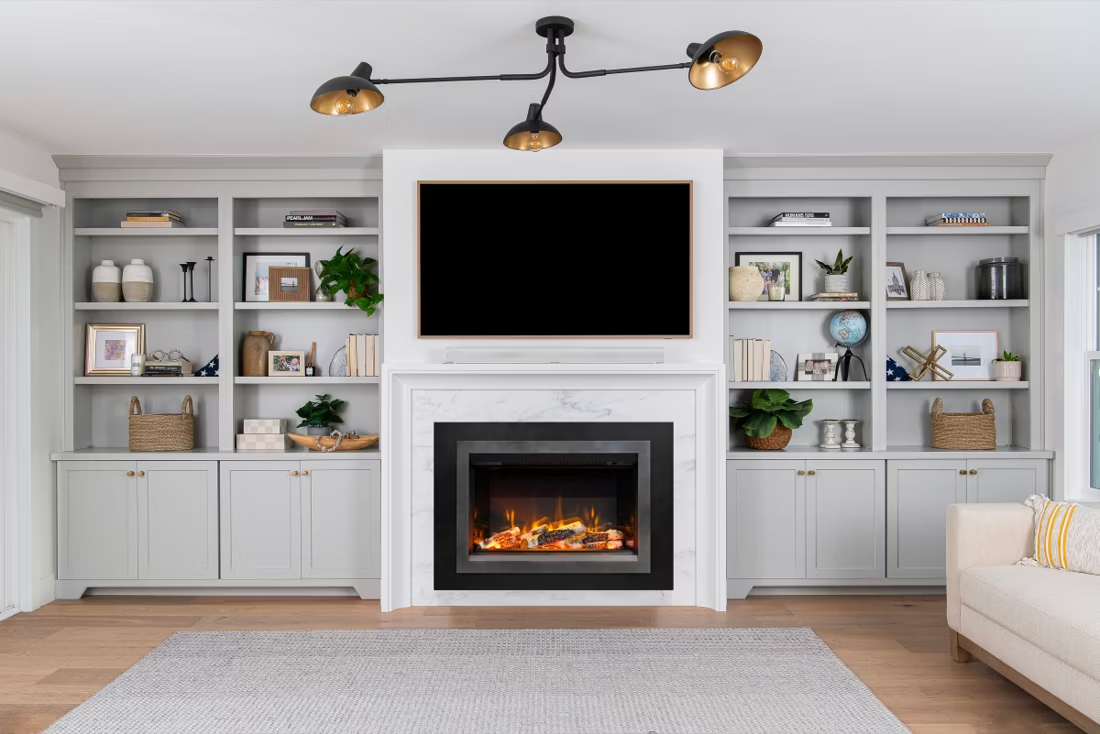
That's exactly the situation an electric fireplace or insert is built for. There's no chimney to build, no gas line to run, and no venting to plan around—a licensed electrician can typically wire a dedicated circuit and set the unit in an afternoon. For the handful of nights each winter when it actually gets cold, an electric unit gives you real supplemental heat right where you're sitting, plus the ambiance of a fire, without the cost or maintenance of a wood-burning setup. It's also a practical fit for renters, older homeowners, and manufactured homes where an open flame or masonry chimney isn't an option.
Three steps. No salesperson until you're ready.
Tell us about your project
Your zip code, your situation, and the fuel you're leaning toward—or let the answers point you to one.
See what's actually available
The brands dealers within 100 miles genuinely carry—real options, never a catalog mirage.
Get your dealer & Project Guide
A trusted local dealer, plus the free Project Guide & Parts List that names every component of the job.
Frequently Asked Questions
How much does an electric fireplace installation cost in Early County?
Because there's no venting, chimney, or gas line involved, electric fireplace installs are typically the least expensive hearth option available. A plug-in unit that slides into an existing space can run as little as a few hundred dollars for the appliance itself. A built-in or wall-mounted electric fireplace that requires a dedicated 240-volt circuit run by a licensed electrician usually lands between $500 and $2,500 total, depending on the unit and how far the electrical panel is from the install location. Compare that to a wood stove or gas insert, which often run $4,000 or more once venting and chimney work are factored in—electric is the budget-friendly path for most Early County homes.
What size electric fireplace do I need for my home?
Since Early County's climate rarely calls for whole-home heating from a single unit, most homeowners here are sizing for zone heat rather than a primary heat source. A compact unit rated around 1,000-1,500 watts comfortably takes the chill off a single bedroom or den. A larger 1,500-watt unit with a bigger heater fan can cover an open living or great room, especially in older Early County farmhouses with higher ceilings and less insulation than newer construction. Because the cold season here is short, oversizing isn't the concern it is in colder climates—the bigger question is placement, so the unit actually reaches the room where you spend your evenings.
Do I need a permit or an electrician to install an electric fireplace?
A simple plug-in electric fireplace on a standard outlet typically doesn't require a permit. A built-in electric fireplace or insert that needs its own dedicated circuit does require licensed electrical work, and most jurisdictions in Early County will want that wiring inspected as part of routine electrical permitting. A local hearth dealer or electrician handling the install will usually pull whatever permit applies and schedule the inspection, so you're not left navigating the county building department on your own.
Will an electric fireplace work in a manufactured or mobile home?
Yes, and it's one of the more common installs in a rural county like Early, where manufactured and mobile homes make up a meaningful share of the housing stock. Electric units are UL-listed for manufactured housing far more often than wood or gas appliances, since there's no combustion, no floor penetration for venting, and no clearance-to-combustibles concerns tied to a chimney chase. A local dealer can confirm which specific models are rated for manufactured home installation and handle the electrical work correctly for that construction type.
Electric vs. wood—which makes more sense for my Early County home?
Early County has plenty of oak, pine, and hickory available for wood burning, and wood remains a genuine option for homeowners who want real heat output during a cold snap or enjoy tending a fire. But with average winter lows only around 38°F and a short heating season, many homeowners find the ongoing cost and effort of firewood, chimney maintenance, and clearance requirements aren't worth it for the handful of truly cold nights each year. Electric fireplaces trade some heat output and the authentic fire experience for near-zero maintenance, instant on-off convenience, and a much lower upfront cost—a trade that fits the county's mild climate well for anyone using it as supplemental rather than primary heat.
How much does it cost to run an electric fireplace in Early County?
Most electric fireplaces draw around 1,500 watts on the heater setting, which costs roughly 15-20 cents per hour to run at typical Georgia Power residential electric rates—and less if you're served by a local rural electric co-op. Given that Early County's mild winters mean the heater setting is only really needed on a limited number of cold nights each year, annual running costs stay modest compared to counties with a much longer, colder heating season. Running the flame effect alone, without heat, uses only a few watts and costs pennies a day, which is why many homeowners use the unit for ambiance most of the winter and switch on the heater only when temperatures actually drop.
How much maintenance does an electric fireplace need?
Very little, which is part of the appeal. There's no chimney to sweep, no creosote to worry about, and no annual gas line inspection. Maintenance is mostly limited to occasionally cleaning dust off the heating element and fan, and replacing the LED light source if a model uses one, which is rare and infrequent. This low-maintenance profile is a real advantage for older Early County residents or absentee/vacation homeowners who don't want to schedule annual service visits the way a wood or gas system requires.
What electric fireplace brands are available through local dealers?
Local hearth dealers serving Early County typically carry mainstream electric fireplace brands like Dimplex, Napoleon, and Amantii, ranging from simple wall-mounted units to full mantel packages and inserts designed to slide into an existing masonry firebox. Availability varies by dealer, and not every brand stocks every model locally, which is exactly why matching with a dealer who knows what's actually in stock and installable in southwest Georgia matters more than browsing a national catalog online.
Can I convert an existing wood-burning fireplace to electric?
Yes—this is a common project in Early County's older brick and masonry homes around Blakely and the surrounding rural areas. An electric insert slides into the existing firebox opening, uses the mantel and surround you already have, and simply plugs in or connects to a nearby outlet or dedicated circuit. There's no need to line, cap, or otherwise modify the existing chimney, since the electric insert doesn't produce any combustion byproducts to vent. It's often the fastest and least expensive way to bring a dormant or drafty old fireplace back into regular use.
Can I put a TV above my fireplace?
Yes—with an asterisk. Fireplaces are hot and TVs don't like heat. Either put a mantel between them to deflect rising warmth, or choose a fireplace with heat-management technology that creates a cool zone on the wall above—the wall stays around 125 degrees, barely warm, while the room still gets full heat. If you like clean lines and don't want a mantel, heat management is the answer.
What fireplace styles should I know before shopping?
Four cover most of the market: screen-front traditional (mesh front, open feel, fits craftsman homes), traditional door set (the classic look you grew up with), modern linear (wide, low, the statement piece for entertaining), and clean face contemporary (no trim—your tile or stone runs right to the fire's edge). Walk in knowing those four terms and you're ahead of most buyers.
What is an in-home preview and do I need one?
It's a visit where a hearth professional measures your space, confirms the model you picked actually works in your home, and walks the specs—framing, gas line, venting, finish work—before anything is ordered. Some details you just can't know until you see the house. Never make a down payment without one; it's the single most-skipped step that burns buyers.
Can a fireplace actually lower my heating bill?
Yes—by creating a comfort zone. A furnace heats every square foot of the house just to warm the one room you're in; a gas fireplace on low burns roughly a sixth of the gas a typical furnace does. Set the furnace around 55–60 degrees as a baseline, then heat the rooms your family actually uses. Families who heat this way commonly save $20–$60 a month.
Find your electric fireplace in Early County.
Tell me a bit about your home and heating needs, and I'll match you with a trusted local dealer and send over a free Project Guide & Parts List—the exact parts and recommended installer for your Early County electric fireplace project.
Find Your Fireplace →