
Keep Your Family Warm and Safe—No Matter What
With winter lows averaging 53°F and one of the mildest winters around, Westchase rarely needs supplemental heat—but a real wood fire still has a place in some homes. Here's an honest look at what that looks like locally.
Every Project Starts From One of These Five Situations
A fireplace for ambiance, not survival.
Westchase sits in USDA climate zone 2A within Hillsborough County, at just 18 feet of elevation a few miles northwest of Tampa. The area has one of the shortest, mildest heating seasons around—for comparison, a cold-climate city like Duluth, Minnesota needs heat nearly all year round. Winter lows here average 53°F, and hard freezes are rare enough that most homes have never needed supplemental heat of any kind. Wood-burning fireplaces exist in Westchase, but they're not doing the same job they do in northern climates—they're not keeping anyone warm through a January cold snap because there generally isn't one.
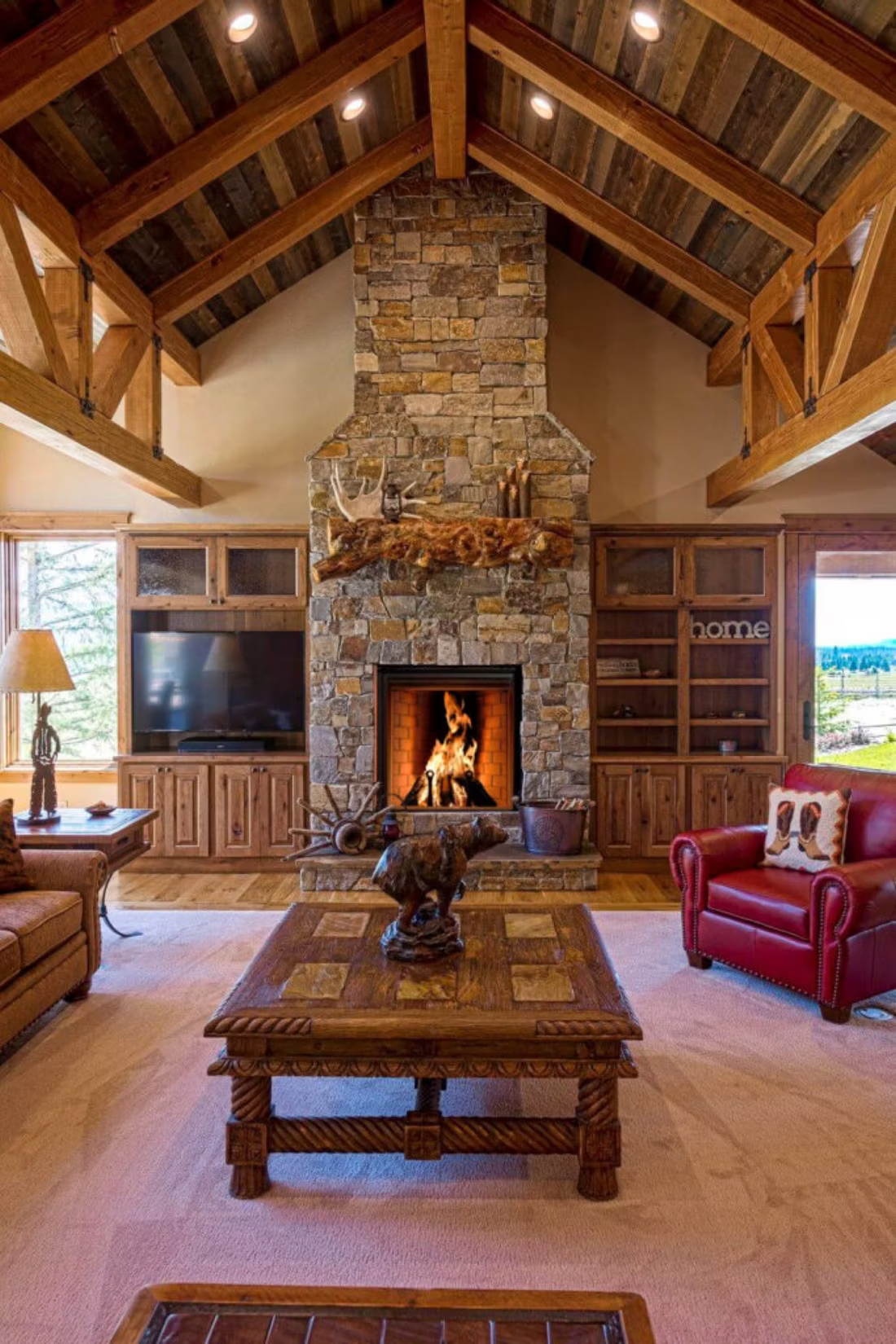
That doesn't mean wood fireplaces are absent from Westchase. Builders in some of the community's subdivisions still frame in a wood-burning masonry fireplace as a design feature—the crackle and smell of a real fire on one of the handful of nights each winter that dip into the 30s and 40s. Local hardwoods like oak burn longest and cleanest once properly seasoned, though Florida's humidity means firewood needs more drying time than it would in a drier climate. Because there's no national forest or public land nearby for cutting permits, most Westchase wood-burners buy seasoned oak, pine, or mahogany by the bundle or pallet from local firewood dealers rather than harvesting their own.
Three steps. No salesperson until you're ready.
Tell us about your project
Your zip code, your situation, and the fuel you're leaning toward—or let the answers point you to one.
See what's actually available
The brands dealers within 100 miles genuinely carry—real options, never a catalog mirage.
Get your dealer & Project Guide
A trusted local dealer, plus the free Project Guide & Parts List that names every component of the job.
Frequently Asked Questions
Does a wood-burning fireplace make sense in Westchase's climate?
Westchase sits in climate zone 2A with an average winter low of 53°F and one of the lightest heating needs of any market in the continental U.S. A wood-burning fireplace here isn't doing the work it would in a cold climate; it's used a handful of evenings a year, mostly for atmosphere during rare cold snaps into the 30s and 40s. If your goal is supplemental heat rather than ambiance, a gas or electric fireplace is usually the more practical choice for Hillsborough County homes.
What does it cost to install a wood-burning fireplace in Westchase?
Costs vary a lot depending on what you're building. A factory-built, zero-clearance wood-burning fireplace with a metal chimney is the most common and affordable option for Westchase homes, while a full masonry fireplace and chimney built from the ground up costs significantly more once you factor in the foundation, masonry, and roof penetration work. Because so few Hillsborough County installers handle full wood-burning builds compared to gas or electric work, it's worth getting quotes from more than one local contractor before committing.
Do I need a permit to install a wood fireplace in Westchase?
Yes. Any new masonry or factory-built wood-burning fireplace and chimney requires a building permit through Hillsborough County's Development Services Department, which covers unincorporated areas like Westchase. If your home sits in one of Westchase's HOA-governed sections, you'll likely also need architectural review approval for any exterior chimney work before the county permit is finalized.
Where can I buy firewood in Westchase?
There's no national forest or public land near Westchase to pull a cutting permit from, so almost everyone buying firewood locally is buying it pre-cut—from firewood dealers, garden centers, or grocery stores that stock bundled oak or pine, especially around the holidays. Oak is the preferred species for a longer, hotter burn; pine is common for kindling but throws more creosote if burned regularly. Given Tampa Bay's humidity, ask your supplier how long the wood has been seasoned—underseasoned wood is a common complaint in this climate.
Which wood species work best for a Westchase fireplace?
Oak is the standard choice—dense, slow-burning, and widely available from Hillsborough County firewood suppliers. Mahogany shows up occasionally, often as a byproduct of local tree removal, and burns hot but isn't a dedicated firewood crop the way oak is. Pine is easy to find and lights fast, but it's resinous and better used for kindling than for the bulk of a fire, especially given how infrequently local chimneys get used and cleaned compared to cold-climate homes.
Will a wood fireplace help during a power outage in Westchase?
It can provide light and a bit of warmth, but heat usually isn't the issue during a Westchase power outage—hurricane season outages are far more likely to be an air-conditioning problem than a heating one. Tampa Electric and Duke Energy Florida both serve the area, and outages tend to be storm-driven rather than winter-driven. A wood fireplace is a nice backup for light and ambiance during an outage, but it's not the reason most Westchase homeowners install one.
Wood vs. gas fireplace—which fits Westchase better?
For most Westchase homes, gas is the more practical everyday choice: it lights instantly on the rare cool evening, doesn't require firewood storage in a humid climate, and pairs well with a direct-vent install in a newer home. Wood is chosen by homeowners who want the specific look, smell, and sound of a real fire and don't mind that it'll only get used a handful of nights each year. Some Westchase homes split the difference—a wood-burning fireplace in a formal living area and a gas unit or electric insert for more regular use.
How often should a wood fireplace be inspected in a climate like Westchase's?
Once a year, even with light use. The CSIA recommends an annual inspection for any wood-burning appliance regardless of how often it's fired, and in Westchase that matters for a different reason than it does up north—long stretches of disuse in a humid climate invite moisture buildup, pests, and bird or insect nesting inside the flue. An annual check before the cool season catches those issues before you strike the first match of the year.
Are there any restrictions on burning wood in Westchase?
No—Hillsborough County has no winter air inversion or non-attainment issues like you'd find in mountain or wildfire-prone regions, so there are no seasonal burn bans tied to air quality here. That said, Westchase is a densely built, HOA-managed community with homes close together, so it's worth being mindful of smoke drifting toward a neighbor's patio or pool, even without a regulatory requirement to do so.
Why is my open fireplace making my house colder?
Open fireplaces suck—literally. As the fire burns, it consumes air your furnace already paid to heat and pulls it out through the chimney, so the house is actually colder after the fire goes out than before you lit it. An insert fixes this: it seals the chimney, puts fixed glass across the front, and turns that hole in your house into a real heat source.
Why won't my new wood stove get going like my old one?
New wood stoves are 70%+ efficient, so far less heat goes up the flue—which also means less draft to get a fire established. The rule: build a genuinely hot fire for about 45 minutes before you choke it down. Skip that and you get smoke in the room, creosote in the chimney, and a fire that never takes off. Most performance complaints trace straight back to this.
Does a fireplace add value to my home?
On average, a fireplace adds back to the home about the same amount you spent installing it. Add the monthly savings from heating the rooms you actually use instead of the whole house—often hundreds of dollars a year—and the value case is strong before you even count what a fire does for how your family uses the room.
Can I install a fireplace myself?
If you're putting a fire in your house on purpose, it's best to work with an expert. Unless you're genuinely experienced in framing, gas line, vent pipe, and the national code on clearances to combustibles, have a professional do it—and ideally the same company that sells you the fireplace, so warranty, service, and liability all live under one roof.
Nearby Dealers
Hearth shops serving Westchase and the surrounding area.
Find your wood fireplace in Westchase.
Tell us about your home and we'll match you with a trusted local Hillsborough County dealer and send over a free Project Guide & Parts List—the exact parts, vent kit, and dealer recommendation for your wood fireplace project in Westchase.
Find Your Fireplace →