
Pellet Stoves in Palm Harbor: A Niche Fit for the Gulf Coast.
With a light overall winter heating load and winter lows averaging 51°F, Palm Harbor rarely needs supplemental heat—but if you still want a pellet stove, we'll connect you with a dealer who can tell you honestly whether it makes sense for your home.
Every Project Starts From One of These Five Situations
A climate that rarely calls for supplemental heat.
Palm Harbor sits at 72 feet above sea level in climate zone 2A, where winter lows average 51°F and the entire heating season is short and mild, adding up to a light winter heating load overall. For comparison, a city like Duluth, Minnesota has a winter heating load roughly 17 times heavier—the kind of sustained cold that makes a pellet stove's steady, thermostat-controlled burn genuinely useful. In Pinellas County, most winters bring a handful of nights in the 30s and 40s, not weeks of sustained cold, which is exactly why pellet fuel is flagged as not applicable for this market rather than standard.
That doesn't mean nobody installs one. A small number of Palm Harbor homeowners—often transplants from colder states, or people who simply like the look and low-maintenance burn of a pellet appliance—add a freestanding pellet stove or insert for ambiance and the occasional cold front. If you're one of them, it's worth knowing upfront that pellet stoves rely on an electric auger and blower to run, so they won't function during the power outages that sometimes follow Gulf Coast storms—something Duke Energy Florida customers, who pay around 16.6 cents per kWh, should factor in before choosing pellet over a fuel that burns without electricity.
Three steps. No salesperson until you're ready.
Tell us about your project
Your zip code, your situation, and the fuel you're leaning toward—or let the answers point you to one.
See what's actually available
The brands dealers within 100 miles genuinely carry—real options, never a catalog mirage.
Get your dealer & Project Guide
A trusted local dealer, plus the free Project Guide & Parts List that names every component of the job.
Frequently Asked Questions
Are pellet stoves actually a good fit for Palm Harbor's climate?
Honestly, not usually. With a light overall winter heating load and winter lows averaging 51°F, most Palm Harbor homes don't have enough sustained cold to justify a heating appliance designed for climates like the upper Midwest. Pellet stoves are built to run for hours at a steady, thermostat-controlled output—useful when it's below freezing for weeks, less useful when your coldest stretch is a few nights in the high 30s in January. If you're drawn to a pellet stove, it's more likely to serve as a supplemental or ambiance feature than a real heating investment here.
Why would anyone install a pellet stove in a place that barely gets cold?
The homeowners who do it in Palm Harbor tend to fall into a couple of categories: people who moved down from a colder state and miss the look and feel of a real burning appliance, owners of a second home up north who want the same aesthetic here, or folks who just like having a heat source with real flame for the occasional cold front or power blip. It's a lifestyle choice more than a heating necessity in Pinellas County—and any dealer worth working with will tell you that plainly before selling you one.
How much does a pellet stove installation cost in Palm Harbor?
There isn't a well-established local price benchmark for pellet installs here the way there is in colder states, simply because so few get installed. Nationally, a pellet stove or insert installation typically runs $3,000 to $6,000 depending on the unit and venting work required. In Palm Harbor, expect quotes toward the higher end of that range, since units and parts sometimes need to be special-ordered from regional suppliers like Lignetics or Greenway Renewable Energy rather than pulled from local stock.
What pellet brands are actually available near Palm Harbor?
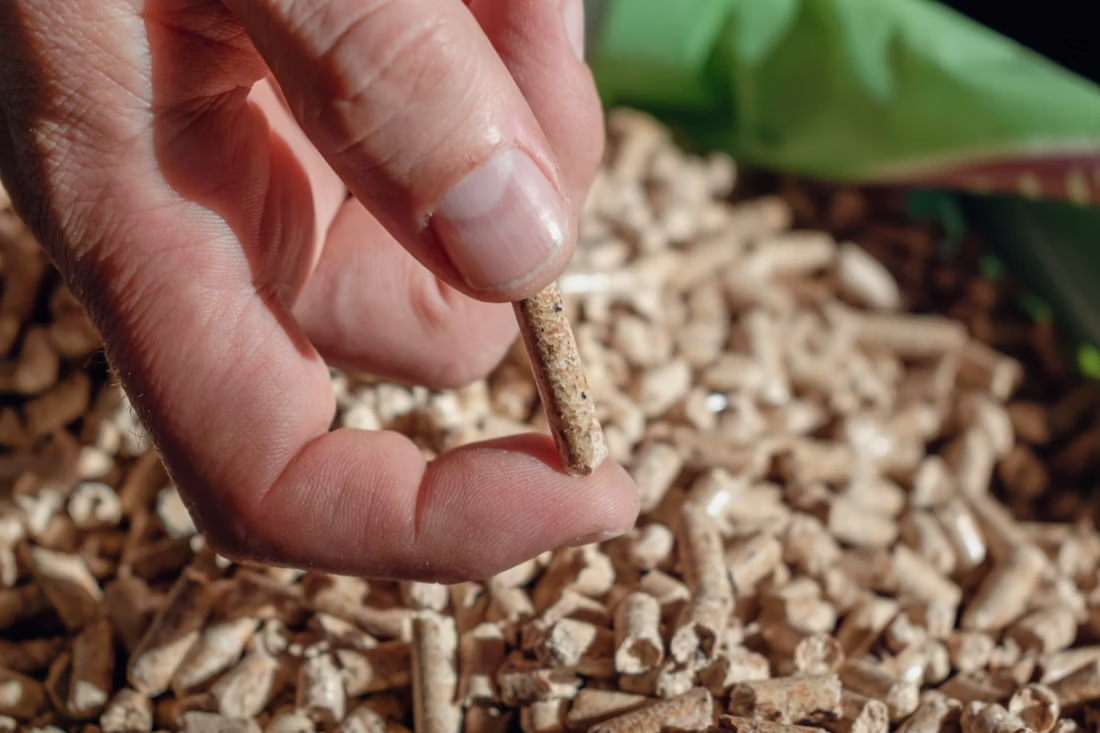
Regional pellet fuel brands like Lignetics, Hamer Pellet Fuel, and Greenway Renewable Energy do circulate through the Southeast, but they're not on every home center shelf in Pinellas County the way they'd be in a place with real heating demand. If you install a pellet stove here, plan on ordering fuel a few bags or a pallet at a time rather than picking it up on impulse—and ask your dealer which brand they can reliably restock through the winter.
Do I need a permit to install a pellet stove in Palm Harbor?
Palm Harbor is unincorporated, so building permits go through Pinellas County Building Services rather than a city office. Any vented, fuel-burning appliance—including a pellet stove—typically requires a permit and inspection to confirm the venting and clearances meet code. Because so few installers here handle pellet units regularly, it's worth confirming your installer has actually pulled a pellet-stove permit before, not just a gas or electric one.
Will a pellet stove work during a hurricane power outage?
No—and this is the biggest practical drawback for Palm Harbor buyers. Pellet stoves rely on an electric auger to feed fuel and a blower to distribute heat, so when Duke Energy Florida power drops during a storm, the stove drops with it, even with a full hopper of pellets. A battery backup or small generator can keep a pellet stove running through a short outage, but if backup heat during hurricane season is your goal, a vented gas appliance or a wood-burning unit will serve you better than pellet.
What's the difference between a pellet stove and a pellet insert?
A pellet stove is a freestanding unit that sits on its own hearth pad and vents out through a wall or roof—it doesn't need an existing fireplace. A pellet insert fits into an existing masonry firebox, which matters less in Palm Harbor than it would up north, since most homes here were built without a wood-burning fireplace or chimney in the first place. For the rare local buyer with an older home that does have a masonry fireplace, an insert can repurpose it; everyone else is looking at a freestanding stove with new venting.
Pellet vs. gas—which makes more sense for a Palm Harbor home?
For most homeowners here, gas is the more practical choice. Gas fireplaces and inserts run on propane in the many Palm Harbor neighborhoods without piped natural gas, light instantly, need no fuel storage or hopper refilling, and don't stop working the moment the power goes out (with a battery-backup or millivolt model). Pellet appliances make sense mainly if you specifically want the look and smell of a real wood-pellet flame and you're not relying on the unit for backup heat. Gas fuel relevance is rated standard for Palm Harbor for good reason—it's simply a better match for the climate and the housing stock.
Where can I get pellet fuel once I have a stove installed?
Because pellet heating isn't mainstream in Pinellas County, don't count on finding bags stacked at every hardware store in the winter the way you would in a northern state. Regional brands like Lignetics, Hamer Pellet Fuel, and Greenway Renewable Energy are the most likely to show up through specialty hearth dealers or by special order, often shipped down from mills further north or west. Buying a season's worth of pellets in one order, rather than restocking bag by bag, is the more reliable approach for Palm Harbor owners.
Why is a fireplace insert so efficient?
An insert does two things: it seals the chimney completely, so you stop losing air you already paid to heat, and it radiates warmth into the room through the firebox and glass. Most add a heat-exchange fan that pulls cool room air underneath, wraps it around the hot firebox, and pushes it back out warm. Your home is more efficient before you've even lit the first fire.
Why is my open fireplace making my house colder?
Open fireplaces suck—literally. As the fire burns, it consumes air your furnace already paid to heat and pulls it out through the chimney, so the house is actually colder after the fire goes out than before you lit it. An insert fixes this: it seals the chimney, puts fixed glass across the front, and turns that hole in your house into a real heat source.
Can I install a fireplace myself?
If you're putting a fire in your house on purpose, it's best to work with an expert. Unless you're genuinely experienced in framing, gas line, vent pipe, and the national code on clearances to combustibles, have a professional do it—and ideally the same company that sells you the fireplace, so warranty, service, and liability all live under one roof.
How much should I budget for a fireplace?
For an average home—covering the fireplace, the vent pipe, and basic installation—a budget between $3,900 and $5,500 gives you a lot of options across wood, gas, and pellet. By the time you add finish work, gas line, and electrical, the average complete installation lands between $5,000 and $12,000 all-in. In a remodel or new build, a good rule is to put about 2.5% of the total project cost toward the fireplace.
Nearby Dealers
Hearth shops serving Palm Harbor and the surrounding area.
Urban Concepts Modern Hearth & Outdoor
Urban Concepts Modern Patio And Fireplace
Pellet Brands Stocked Around Palm Harbor
Manufacturers will point you to the nearest stocking dealer.
Find your pellet stove in Palm Harbor.
Tell us about your home and your reasons for wanting a pellet stove, and we'll give you a straight answer—plus a free Project Guide & Parts List and a match with a local dealer who can tell you what's realistic to install in Palm Harbor.
Find Your Fireplace →