
Find your electric fireplace in Palm Coast.
With winter lows averaging 49°F and only a light winter heating load overall, electric is the fireplace fuel that actually fits Palm Coast. I'll match you with a local dealer and a free plan for your install.
Every Project Starts From One of These Five Situations
Palm Coast doesn't need a furnace—it needs ambiance with the option of warmth.
Palm Coast sits at just 32 feet of elevation on Florida's Atlantic coast, in climate zone 2A, where the heating season is short and mild. With an average winter low of 49°F and a winter heating load that's a fraction of what a place like Duluth, MN or Burlington, VT racks up in a single month, this is not a region where families are counting on a fireplace to survive January. Wood and pellet appliances are essentially absent here, and even gas is rare outside a handful of propane installs, since Flagler County has no significant natural gas distribution network.
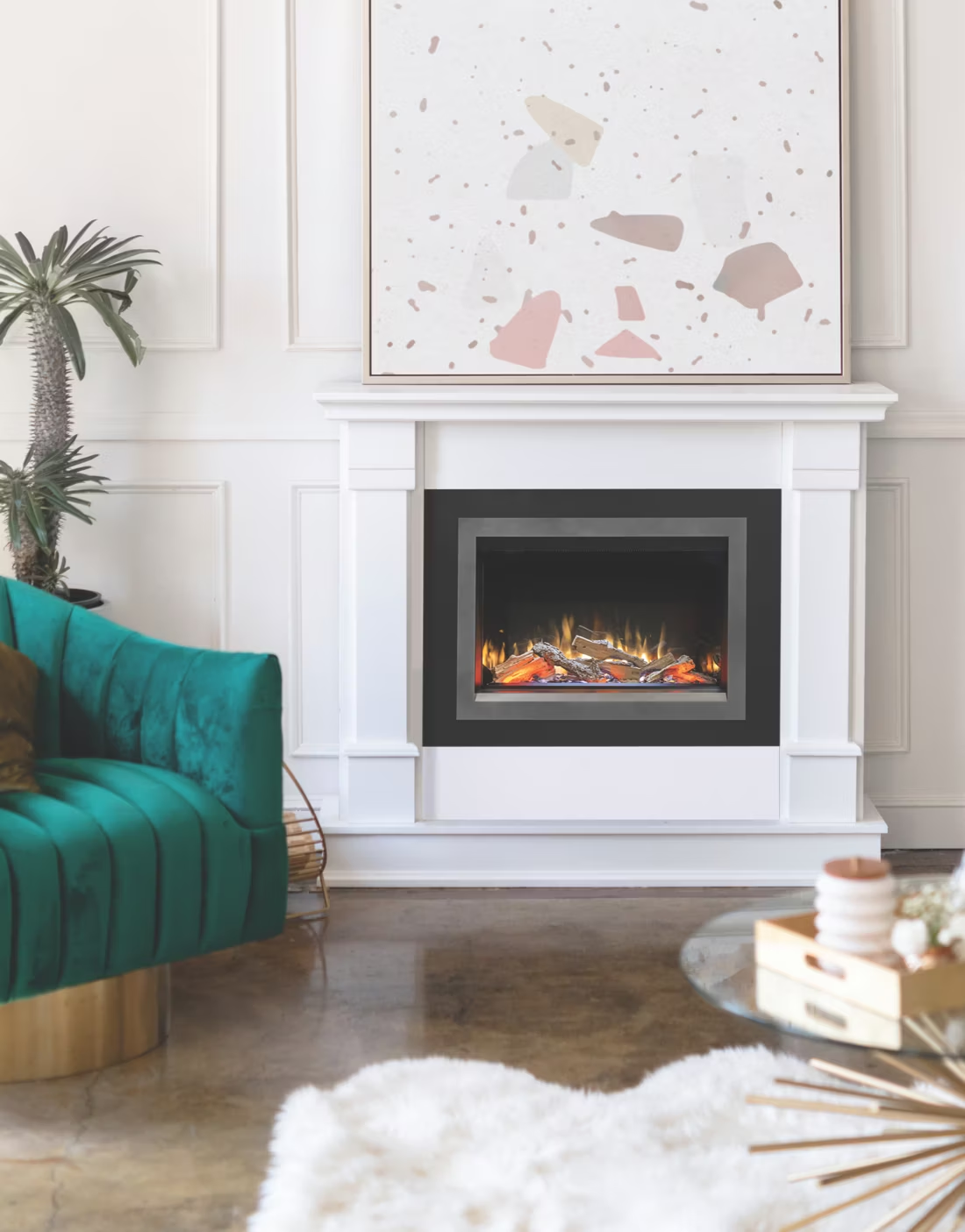
Electric is the fuel that actually matches how people in Palm Coast use a fireplace: for the look and feel of a hearth in a living room, primary bedroom, or lanai, with real supplemental heat available on the occasional 30-degree morning. Both Florida Power & Light and Duke Energy Florida serve homes in the area, and residential rates run roughly 13.7¢ to 16.6¢ per kWh—inexpensive enough that running a 1,500-watt electric insert for a few evening hours costs pennies, not dollars. No venting, no chimney, no permit headaches typical of wood or gas—just a unit that plugs in or hardwires to a dedicated circuit.
Three steps. No salesperson until you're ready.
Tell us about your project
Your zip code, your situation, and the fuel you're leaning toward—or let the answers point you to one.
See what's actually available
The brands dealers within 100 miles genuinely carry—real options, never a catalog mirage.
Get your dealer & Project Guide
A trusted local dealer, plus the free Project Guide & Parts List that names every component of the job.
Frequently Asked Questions
How much does an electric fireplace installation cost in Palm Coast?
Most electric fireplace and insert installs in Palm Coast run between $400 and $1,200, which is dramatically less than wood or gas because there's no venting, chimney, or gas line involved. A plug-in insert dropped into an existing masonry fireplace opening sits at the low end. A built-in wall unit or a linear electric fireplace requiring a dedicated 20-amp circuit and some drywall or framing work lands at the higher end. Given Palm Coast's mild climate, most homeowners are choosing based on look and living-room layout rather than heating capacity—a local dealer can walk you through both.
Is an electric fireplace actually worth it in a climate this mild?
For most Palm Coast homes, yes—but for ambiance and occasional supplemental warmth, not as a primary heat source. With winter lows averaging 49°F and only a light winter heating load overall, central HVAC easily covers the handful of genuinely cold mornings each winter. What an electric fireplace adds is the visual and emotional presence of a hearth—a focal point in the living room or primary suite—plus real, on-demand heat for the rare cold front that pushes overnight temperatures into the 30s. It's a lifestyle purchase here more than a heating necessity, and that's fine.
Do I need a permit to install an electric fireplace in Palm Coast?
Plug-in electric inserts that use an existing outlet typically don't require a permit. Built-in or wall-mounted units that need a new dedicated circuit do require an electrical permit through the City of Palm Coast Building Division or Flagler County Building Services, depending on where the property sits. A licensed electrician pulling the permit as part of the install is the norm, and most local hearth dealers coordinate this for you rather than leaving you to schedule a separate electrician.
What's the difference between a plug-in electric insert and a built-in electric fireplace?
A plug-in insert drops into an existing fireplace opening or a piece of furniture and runs off a standard 120V outlet—no electrician needed in most cases, and it's the fastest, cheapest option. A built-in electric fireplace is recessed into a wall or custom surround, often wired to a dedicated circuit for higher wattage output, and gives a more seamless, architectural look. For a Palm Coast condo or a room without an existing fireplace, a built-in linear unit above a media wall is a popular choice; for a homeowner converting an old masonry fireplace, a plug-in or hardwired insert is usually the simpler path.
Will an electric fireplace actually heat my house during a rare cold snap?
An electric insert or built-in unit will comfortably heat a single room—typically 400 to 1,000 square feet depending on the model—which is plenty for the occasional Palm Coast cold front that drops overnight lows into the 30s. It's not designed to replace central HVAC for the whole house, and given how few genuinely cold days this area sees each winter, most homeowners don't need it to. Think zone heating for the room you're actually sitting in, not whole-home backup.
Which electric utility serves Palm Coast, and does that affect my choice of fireplace?
Palm Coast is served by both Florida Power & Light and Duke Energy Florida depending on your specific neighborhood, with residential rates running roughly 13.7¢ to 16.6¢ per kWh. That's low enough nationally that running a 1,500-watt electric fireplace for a few hours most evenings costs well under a dollar a night. Because rates and service areas vary slightly by zip code (32164, 32137, 32135, 32142, and 32143 aren't all on the same provider), it's worth confirming your utility before sizing a higher-wattage built-in unit.
Why don't more Palm Coast homes have wood or pellet stoves?
Wood and pellet stoves are essentially not a fit for this climate—with such a light winter heating load overall and winter lows rarely dipping below the high 40s, there simply isn't enough sustained cold to justify a wood-burning appliance the way there would be in a place like Bozeman, MT or Fargo, ND. A small number of Flagler County homeowners with rural acreage do keep an outdoor fire pit or occasional wood-burning unit for ambiance, but it's the exception, not the norm, and most local hearth dealers stock little to no wood-burning inventory as a result.
Is gas a better option than electric in Palm Coast?
Gas is genuinely rare here—Flagler County has no significant natural gas distribution network, so any gas fireplace would run on propane with its own tank, which adds cost and maintenance that most Palm Coast homeowners skip entirely. Between the lack of piped gas infrastructure and a climate that doesn't demand serious heat output, electric wins on cost, simplicity, and install speed for the vast majority of homes here. Gas remains an option for buyers who specifically want a live flame look and are willing to manage a propane tank, but it's a minority choice locally.
How do I choose the right size and style of electric fireplace for my home?
Start with the room, not the climate—since heating capacity is rarely the deciding factor in Palm Coast, most homeowners choose based on where the unit will sit (existing fireplace opening, media wall, bedroom) and the look they want, from a traditional mantel-style insert to a modern linear wall unit. A trusted local dealer can measure your space, confirm whether you need a dedicated circuit, and show you options in person rather than guessing from online photos alone. That in-home look is where sizing mistakes get caught before installation, not after.
Can I put a TV above my fireplace?
Yes—with an asterisk. Fireplaces are hot and TVs don't like heat. Either put a mantel between them to deflect rising warmth, or choose a fireplace with heat-management technology that creates a cool zone on the wall above—the wall stays around 125 degrees, barely warm, while the room still gets full heat. If you like clean lines and don't want a mantel, heat management is the answer.
Do electric fireplaces actually produce heat?
Yes—most put out around 4,800–5,000 BTUs from a standard outlet, which comfortably warms a bedroom, office, or den as a comfort-zone heater. What they won't do is carry a whole house the way wood, gas, or pellet can. Think of electric as ambiance-first with honest supplemental heat: flames on with no heat in July, flames plus warmth in January.
Does a fireplace add value to my home?
On average, a fireplace adds back to the home about the same amount you spent installing it. Add the monthly savings from heating the rooms you actually use instead of the whole house—often hundreds of dollars a year—and the value case is strong before you even count what a fire does for how your family uses the room.
What is an in-home preview and do I need one?
It's a visit where a hearth professional measures your space, confirms the model you picked actually works in your home, and walks the specs—framing, gas line, venting, finish work—before anything is ordered. Some details you just can't know until you see the house. Never make a down payment without one; it's the single most-skipped step that burns buyers.
Nearby Dealers
Hearth shops serving Palm Coast and the surrounding area.
Electric Service in Palm Coast
An electric fireplace's heater draws about 1,500 watts—pennies per hour at local rates.
Florida Power & Light Co
Duke Energy Florida, LLC
Get your Palm Coast electric fireplace Project Guide & Parts List.
Tell me a bit about your home and I'll match you with a trusted local Palm Coast dealer and send a free Project Guide & Parts List—the exact parts, wiring notes, and a dealer recommendation for your electric fireplace project.
Find Your Fireplace →