
Find your fireplace in Flagler County, Florida.
With one of the shortest, mildest heating seasons in the country and winter lows averaging 49°F, gas and electric fireplaces do the real work in Flagler County—from Palm Coast to Flagler Beach. Find a vetted local dealer and see what's actually worth installing here.
Every Project Starts From One of These Five Situations
Mild winters, real cold fronts—heating in Flagler County, Florida.
Flagler County sits along Florida's northeast Atlantic coast between St. Augustine and Daytona Beach—home to Palm Coast, Bunnell, Flagler Beach, and the barrier-island community of Beverly Beach. This is climate zone 2A: an average winter low of 49°F and one of the shortest, mildest heating seasons in the country, a fraction of what a place like Duluth, Minnesota logs in a single January cold snap. Wood heat, in the traditional sense, isn't part of daily life here—nobody is keeping a stove running through six months of subzero mornings. When the local oaks, pines, and occasional mahogany drop limbs, most of that wood goes to yard debris pickup rather than a woodpile, though a handful of homeowners still burn oak or pine for the ambiance of an open masonry fireplace on the rare 30-degree night.
What you'll find on this hub: gas and electric fireplace retailers, installers, and service technicians covering every community in the county—from Palm Coast's newer subdivisions to the fishing-village feel of Flagler Beach and inland Bunnell. Wood-burning and pellet appliances are uncommon enough here that we don't run dedicated county + fuel directories for them; if you're set on wood, a local retailer can still tell you what's realistic for your home and any HOA rules. For everyone else, gas and electric are where the real local market is—pick your fuel below to see dealers, typical costs, and the county's town-by-town directory.
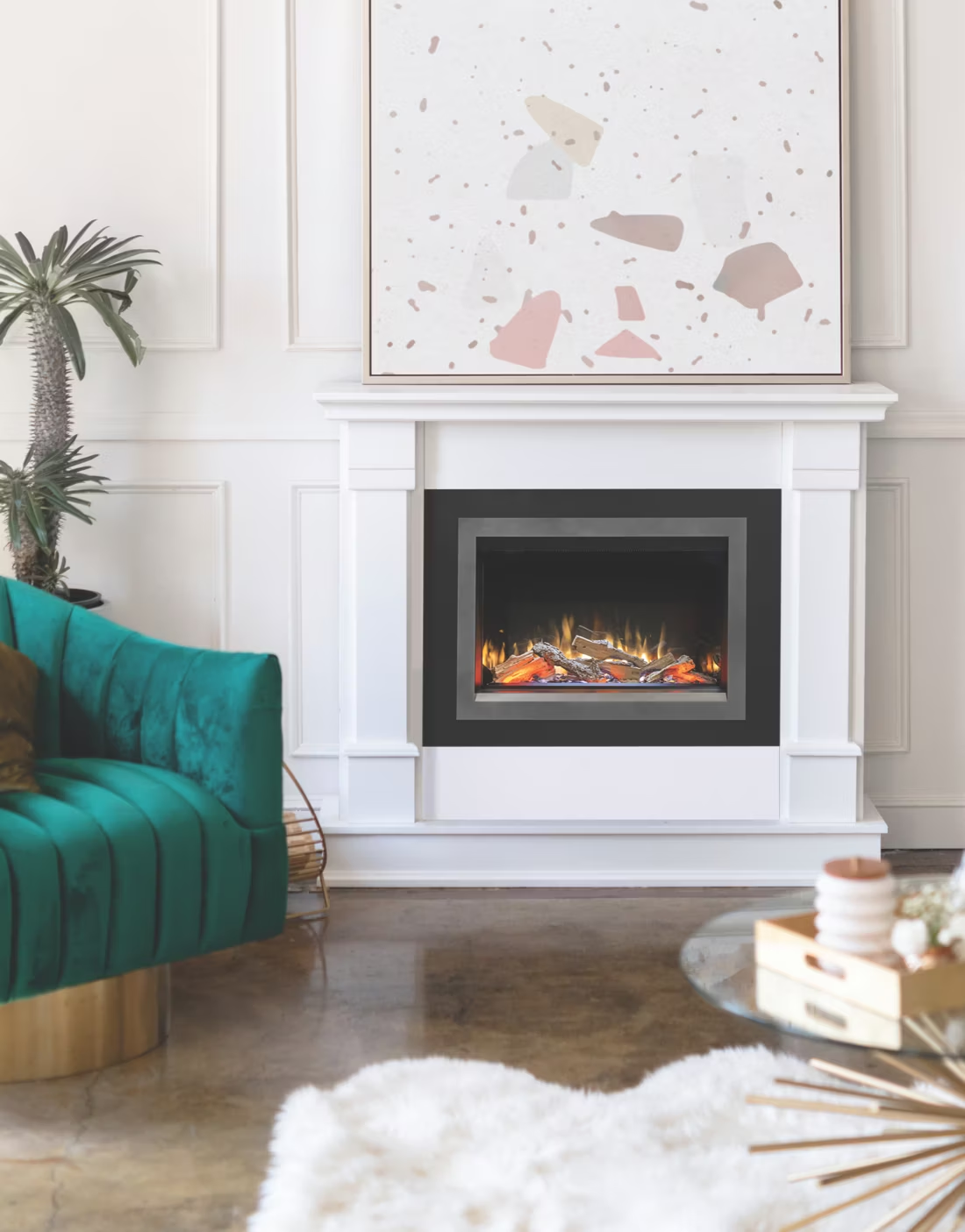
Four fuels. One honest answer for Flagler County.
Three steps. No salesperson until you're ready.
Tell us about your project
Your zip code, your situation, and the fuel you're leaning toward—or let the answers point you to one.
See what's actually available
The brands dealers within 100 miles genuinely carry—real options, never a catalog mirage.
Get your dealer & Project Guide
A trusted local dealer, plus the free Project Guide & Parts List that names every component of the job.
Frequently Asked Questions
Which fuel works best in Flagler County?
In a climate this mild, the question isn't which fuel keeps a house warm all winter—it's which fuel gives you ambiance and real heat on the handful of nights each year when a cold front drops temperatures into the 30s. Gas is the practical choice: propane-fed fireplaces and inserts fire up instantly, need no fuel storage beyond a tank, and work in Palm Coast's newer builds and Flagler Beach's older coastal cottages alike. Electric fireplaces are the low-commitment option—no venting, no gas line, just a plug and an outlet—which makes them popular in condos and rentals along A1A. Wood-burning fireplaces exist in some older homes, and a few residents still enjoy an oak or pine fire on a cold December night, but with one of the shortest, mildest heating seasons in the country, nobody here is buying a stove to survive winter. Pellet stoves are essentially absent as a heating appliance—local pellet suppliers like Lignetics, Hamer Pellet Fuel, and Greenway Renewable Energy mostly serve grills and smokers, not home heating.
Do I need a permit to install a fireplace in Flagler County?
Yes, in most cases. Gas fireplace and insert installations require a building permit plus a licensed gas contractor for the propane or natural gas line connection—this applies whether you're in unincorporated Flagler County, Palm Coast, Bunnell, or Flagler Beach; permits are typically issued by the relevant city or by the Flagler County Building Department for unincorporated areas. Electric fireplaces are usually permit-free if they're a plug-in freestanding unit, but built-in electric fireplaces requiring new wiring or a dedicated circuit do need an electrical permit. If you're one of the few homeowners installing a wood-burning appliance, that also requires a permit and inspection, same as anywhere else in Florida. Most local retailers handle the permitting as part of the installation quote.
Are there air quality restrictions on burning in Flagler County?
No—Flagler County doesn't have the wildfire smoke, winter inversions, or non-attainment status that drive burn curtailments in places like the Pacific Northwest or the Klamath Basin. Coastal Atlantic breezes keep the air moving, and with so few wood fires being lit in the first place, smoke complaints and curtailment days simply aren't part of the local conversation. The county does regulate outdoor burning—yard debris, brush piles—separately from fireplace use, but that's a fire-safety and drought-risk concern, not an air-quality issue tied to home heating.
Are wood-burning fireplaces common in Flagler County?
Not really, and it's worth being honest about that. With an average winter low of 49°F and a heating season measured in weeks rather than months, wood-burning fireplaces are more of a legacy feature in older Flagler Beach and Bunnell homes than something anyone installs new. When they are used, it's for ambiance on the occasional cold front—burning local oak or pine rather than any hauled-in hardwood—not for supplemental heat. If your home already has a masonry wood fireplace, a local retailer can still service or reline it; we just don't see much new-build demand for wood in this county the way we would in a colder climate.
How does fireplace service work in a coastal, humid climate like Flagler County's?
Salt air and humidity are the bigger service concern here, more than heavy fireplace use. Gas fireplace pilot assemblies and burner components can corrode faster near the coast—Flagler Beach and Beverly Beach homes in particular benefit from annual gas fireplace service to catch corrosion or igniter issues before they fail. Electric fireplace service is mostly about checking the heating element and fan after months of AC-heavy, humid indoor air. If you're one of the households with an older wood-burning fireplace, a chimney sweep should still check the flue every year or two even with light use, since infrequent fires can let moisture and debris build up unnoticed.
What's the typical cost range for fireplace installation across fuel types in Flagler County?
Gas fireplace, insert, or stove: roughly $4,000–$9,000 installed, depending on whether you're tying into existing natural gas service or running a new propane line and tank. Electric fireplace: $200–$2,500 for the unit itself, plus $300–$900 in labor for anything beyond a plug-and-play freestanding model—built-ins with new wiring run higher. Wood-burning fireplace or insert: uncommon enough that pricing varies widely, but expect $3,500–$7,000 for a retrofit into an existing masonry fireplace. Pellet stoves aren't really part of the local installed-cost conversation—with heating this mild, Flagler County hasn't generated enough demand to establish a typical price.
Can a fireplace actually lower my heating bill?
Yes—by creating a comfort zone. A furnace heats every square foot of the house just to warm the one room you're in; a gas fireplace on low burns roughly a sixth of the gas a typical furnace does. Set the furnace around 55–60 degrees as a baseline, then heat the rooms your family actually uses. Families who heat this way commonly save $20–$60 a month.
Wood, gas, pellet, or electric—how do I choose?
Match the fuel to your life, not the other way around. Wood: lowest fuel cost and total power-outage independence, but you're hauling and stacking. Gas: press a button, set a thermostat, no maintenance to speak of. Pellet: wood economics with automatic feeding, in exchange for weekly cleaning and a need for electricity. Electric: plugs in anywhere with honest supplemental heat. Nobody regrets the fuel that fits how they actually live.
I know I want a fireplace—where do I actually start?
Do two things today: snap a photo of the wall or fireplace you want to transform, and take a tape measure to the space—width, height, depth. Those two artifacts answer most of a hearth professional's first questions. Then settle fuel (wood, gas, pellet, or electric) and set a realistic budget: $3,900–$5,500 covers fireplace, vent, and basic install for most homes.
Does a fireplace add value to my home?
On average, a fireplace adds back to the home about the same amount you spent installing it. Add the monthly savings from heating the rooms you actually use instead of the whole house—often hundreds of dollars a year—and the value case is strong before you even count what a fire does for how your family uses the room.
Stove and Fireplace Dealers in Flagler County
Listings include WhyFire partner dealers, dealers we have verified as authorized for the brands we recommend, and established local businesses that carry hearth products. Every listing shows which one it is. The ones marked Preferred run on WhyFire's software, so they can show you real pricing and book your appointment right here. No manufacturer pays for placement. How we verify dealers →
Terrence Miner Remodeling & Construction
Daytona Gas & Grill
John's Appliance City
Find your fireplace in Flagler County.
Tell us about your home and we'll match you with a trusted local gas or electric fireplace dealer and send a free Project Guide & Parts List—the exact parts, vent kit, and recommended installer for your Flagler County project.
Find Your Fireplace →