
Find your pellet stove in South Central Connecticut.
Automated, thermostat-controlled heat for the coastal-to-inland towns of South Central Connecticut—from Milford and West Haven to Wallingford and Meriden. Find the right stove or insert, and connect with a trusted local dealer.
Every Project Starts From One of These Five Situations
Consistent, thermostat-controlled heat without the woodpile.
South Central Connecticut stretches from the Long Island Sound shoreline in Milford, West Haven, and Branford up through the inland hills of Cheshire, Wallingford, and Meriden, with New Haven and Hamden anchoring the dense suburban core. Winters here average a low of 23°F with a heating season on par with a typical mid-Atlantic winter—noticeably milder than places like Burlington, VT, but still cold enough that a supplemental heat source pays for itself most winters, especially in the region's older housing stock of colonials, capes, and postwar ranches that predate modern insulation standards.
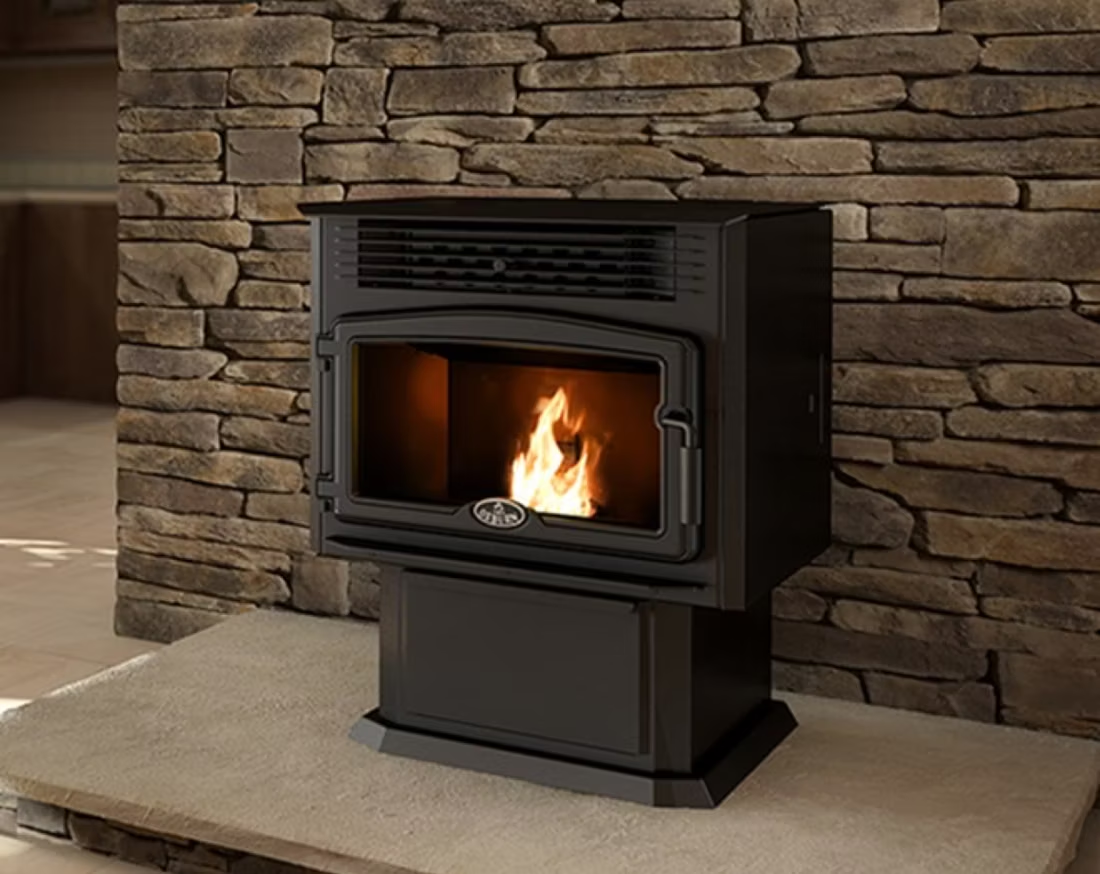
Pellet stoves and inserts have become a popular fit here for a simple reason: most South Central Connecticut lots are small and suburban, without room for a woodpile or the time for splitting and stacking cordwood. A hopper-fed pellet stove runs on regionally available bagged pellets—brands like Lignetics, New England Wood Pellet, and Maine Woods Pellet Co are stocked at hearth shops and hardware stores throughout the area—and holds a steady thermostat-set temperature for 24 to 60 hours per hopper load depending on the unit. With no air quality non-attainment restrictions in the region, pellet appliances burn clean enough that they're rarely a concern for tight-lot neighbors, which matters in denser New Haven-area neighborhoods where houses sit close together.
Three steps. No salesperson until you're ready.
Tell us about your project
Your zip code, your situation, and the fuel you're leaning toward—or let the answers point you to one.
See what's actually available
The brands dealers within 100 miles genuinely carry—real options, never a catalog mirage.
Get your dealer & Project Guide
A trusted local dealer, plus the free Project Guide & Parts List that names every component of the job.
Frequently Asked Questions
How much does a pellet stove installation cost in South Central Connecticut?
Most pellet stove installations in South Central Connecticut run $3,000 to $6,500, and pellet inserts into an existing masonry fireplace typically run $4,000 to $8,000. The biggest cost drivers are the venting path—pellet stoves vent through a wall with PL (pellet-listed) pipe rather than a full chimney, which keeps costs down compared to wood—and whether you need a dedicated electrical outlet run for the auger and blower motor. Homes in denser neighborhoods around New Haven and Hamden with limited exterior wall access sometimes see costs creep toward the higher end; standalone homes on larger lots in towns like Guilford or Madison are usually more straightforward.
Do I need a permit to install a pellet stove in South Central Connecticut?
Yes. Connecticut permits are issued at the town level, not the county level, so you'll go through the building department in whichever town you're in—New Haven, Milford, Hamden, Meriden, Wallingford, or any of the other towns across the region. All installations must meet the Connecticut State Building Code, and because pellet stoves require a dedicated electrical circuit for the auger and blower, most towns also require an electrical permit and inspection alongside the mechanical permit. Local hearth dealers who install regularly in the area typically handle both permits as part of the job.
Where can I buy pellets in South Central Connecticut?
Hearth shops, hardware stores, and farm-supply retailers throughout the region stock bagged pellets, with regional brands like Lignetics, New England Wood Pellet, and Maine Woods Pellet Co widely available. Buying by the ton (roughly 50 forty-pound bags) in late summer or early fall, before demand and prices climb during the first cold snap, is the standard move for anyone burning pellets as a primary or heavy supplemental heat source. Premium softwood pellets from northeastern mills tend to burn cleaner and leave less ash than lower-grade blends, which matters for stoves that get daily use through a full Connecticut winter.
Will my pellet stove work during a power outage?
Not without a backup power source—pellet stoves rely on electricity to run the auger that feeds fuel and the blower that pushes heat into the room, so a standard unit goes dark the moment the power does. South Central Connecticut sees its share of Nor'easters and occasional tropical storm remnants that knock out power for United Illuminating and Eversource customers alike, sometimes for days. Homeowners who want pellet heat as a real outage backup typically pair the stove with a small battery backup unit or a portable generator sized to run the stove's electrical draw (usually under 5 amps). If outage-proof heat without any backup equipment is the priority, a wood stove is worth considering instead, since it needs no electricity to operate.
What size pellet stove do I need for my home?
Sizing depends on square footage, ceiling height, and how open your floor plan is. As a general guide for South Central Connecticut's housing stock: small pellet stoves (rated for up to 1,000–1,200 sq ft) suit a single large room or an open-concept ranch; medium stoves (1,200–2,000 sq ft) handle most colonials and capes common throughout New Haven, Hamden, and Wallingford; larger units (2,000+ sq ft) can serve as a home's primary heat source in well-insulated newer construction. Older homes with less insulation—common in New Haven's historic neighborhoods—often need a size up from what square footage alone would suggest. A local dealer will size your space during an in-home visit, which is worth doing before you buy rather than guessing from a box-store chart.
What pellet stove brands are available through local dealers?
Local hearth dealers across South Central Connecticut typically carry established pellet stove and insert manufacturers such as Harman, Quadra-Fire, and Lopi, alongside the regional pellet fuel brands you'll burn in them—Lignetics, New England Wood Pellet, and Maine Woods Pellet Co among them. Features worth comparing include hopper capacity (bigger hoppers mean fewer refills on cold nights), auto-ignition (lights the fire with the push of a button rather than a manual starter), and thermostat compatibility if you want the stove to modulate output automatically. A local dealer can walk you through which models they service directly, which matters for parts availability and warranty support down the road.
How much maintenance does a pellet stove need?
Pellet stoves need more frequent light maintenance than wood stoves but far less heavy cleaning. Plan on emptying the ash pan every few days to weekly during regular use, wiping the glass as needed, and vacuuming the burn pot and hopper area every few weeks. Once a year—ideally at the end of burning season or before the next one starts—the venting, exhaust fan, and internal components should get a full professional cleaning and inspection. Several hearth service companies across the New Haven area offer this as an annual service call, and it's worth keeping up with since a clogged burn pot or vent is the most common cause of a pellet stove running poorly.
Pellet stove vs. wood stove—which is right for my South Central Connecticut home?
Wood stoves burn cordwood from local species like oak, maple, birch, and ash, work without electricity, and offer the lowest fuel cost if you're willing to source, split, and stack your own wood—but they need more hands-on tending and a place to store several cords. Pellet stoves run on bagged fuel, hold a steady thermostat-set temperature with far less daily attention, and produce noticeably less ash and mess—but they need electricity to operate and won't help during a power outage without a backup power source. For the smaller suburban lots common across South Central Connecticut, where woodpile storage is often tight, pellet tends to be the more practical everyday choice. For rural properties with wood-lot access or homeowners who want heat that works no matter what the grid is doing, wood remains the better fit.
Are there any burn restrictions or air quality rules for pellet stoves in South Central Connecticut?
No—South Central Connecticut doesn't carry any air quality non-attainment designations that trigger burn bans or curtailment periods, unlike some western regions dealing with winter inversion smoke. Pellet appliances also burn cleaner than cordwood by design, with lower particulate output, so they're rarely a source of neighbor complaints even in the tighter-lot neighborhoods around New Haven, West Haven, and Hamden. That said, all pellet stoves sold and installed in Connecticut must be EPA-certified, and your local dealer can confirm a given model's emissions rating if you want to compare options before buying.
What's the difference between an insert and a zero-clearance fireplace?
An insert is a fireplace that slides into a pre-existing wood-burning fireplace—if you don't have one, there's nothing to insert it into. A zero-clearance fireplace is built into a framed wall, which makes it the answer for remodels and new construction. Simple test: existing masonry fireplace means insert; blank or framed wall means zero-clearance.
Why is my open fireplace making my house colder?
Open fireplaces suck—literally. As the fire burns, it consumes air your furnace already paid to heat and pulls it out through the chimney, so the house is actually colder after the fire goes out than before you lit it. An insert fixes this: it seals the chimney, puts fixed glass across the front, and turns that hole in your house into a real heat source.
Can I install a fireplace myself?
If you're putting a fire in your house on purpose, it's best to work with an expert. Unless you're genuinely experienced in framing, gas line, vent pipe, and the national code on clearances to combustibles, have a professional do it—and ideally the same company that sells you the fireplace, so warranty, service, and liability all live under one roof.
Does a fireplace add value to my home?
On average, a fireplace adds back to the home about the same amount you spent installing it. Add the monthly savings from heating the rooms you actually use instead of the whole house—often hundreds of dollars a year—and the value case is strong before you even count what a fire does for how your family uses the room.
Stove and Fireplace Dealers in South Central Connecticut County
Listings include WhyFire partner dealers, dealers we have verified as authorized for the brands we recommend, and established local businesses that carry hearth products. Every listing shows which one it is. The ones marked Preferred run on WhyFire's software, so they can show you real pricing and book your appointment right here. No manufacturer pays for placement. How we verify dealers →
Neighborhood Chimney Service
New Haven Masonry
Fireplace Surplus
Jj Sullivan Inc.
Tani’s Masonry Supply, LLC
Fireworks Hearth And Home LLC
Best In Backyards
Spotless Chimney Sweeping & Solutions
Pellet Brands Stocked Around South Central Connecticut County
Manufacturers will point you to the nearest stocking dealer.
Find your pellet stove in South Central Connecticut.
Tell us a bit about your home and we'll match you with the right pellet stove or insert, plus a free Project Guide & Parts List—the exact venting and parts you'll need and a trusted local dealer who can install it right.
Find Your Fireplace →