
Pellet Heat That Works When the Air Doesn't.
Clean-burning heat for Sonoma County's mild winters and difficult wildfire-smoke seasons—from Santa Rosa to Sonoma to the rural ridgelines in between. Find the right unit and connect with a trusted local dealer.
Every Project Starts From One of These Five Situations
Clean heat for a county that's watching its air quality closely.
Sonoma County's climate is mild by national standards—Climate Zone 3C, a winter low average around 38°F, and roughly 2,627 heating degree days a year, a fraction of what a place like Duluth, MN sees in a single winter. Most homes here don't need heat running around the clock, which is exactly why pellet stoves fit so well: efficient, thermostat-controlled zone heat for the cool months without the labor of splitting and stacking cordwood, and without the smoke that draws attention in a county already dealing with air quality challenges.
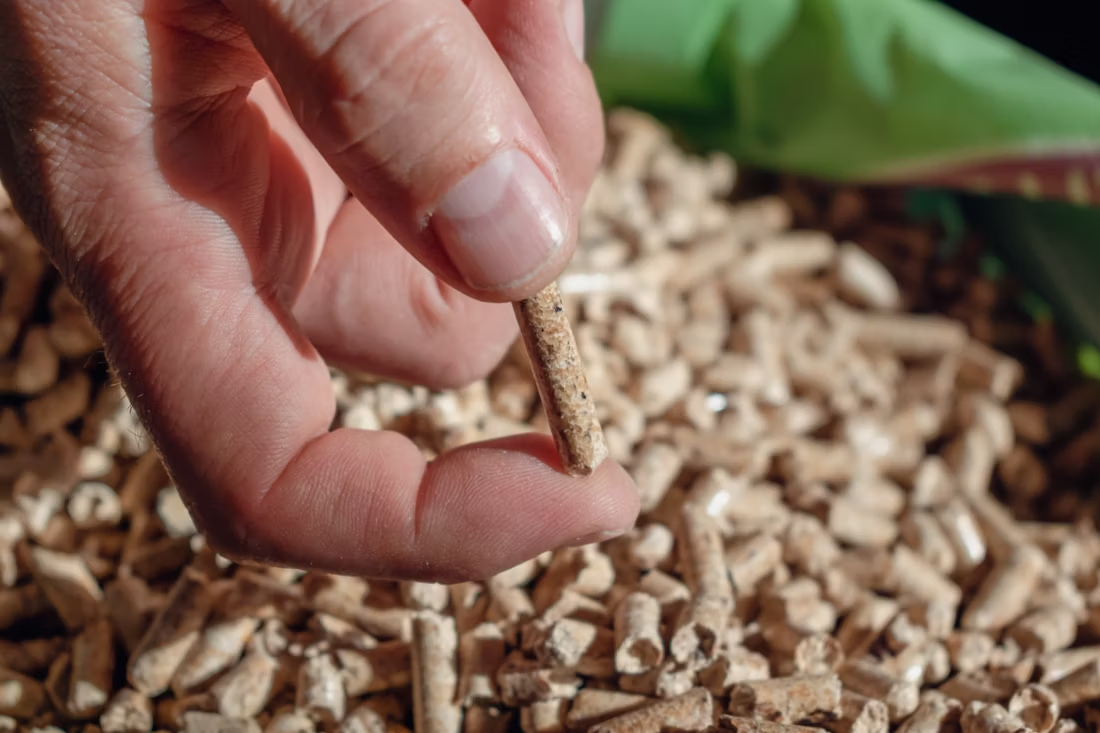
Sonoma County is a designated non-attainment area, and winter wood smoke plus recurring wildfire smoke from fires like Tubbs, Kincade, and Glass have made local air quality a real point of scrutiny. Bay Area Air Quality Management District Winter Spare the Air alerts restrict open wood burning on high-pollution days, but EPA-certified pellet stoves are typically exempt from those curtailment periods—meaning a pellet insert can keep running on nights when a neighbor's wood stove has to stay cold. Regional brands like Bear Mountain, Lignetics, and Pacific Pellet supply the fuel; local dealers handle sizing, venting, and Permit Sonoma paperwork.
Three steps. No salesperson until you're ready.
Tell us about your project
Your zip code, your situation, and the fuel you're leaning toward—or let the answers point you to one.
See what's actually available
The brands dealers within 100 miles genuinely carry—real options, never a catalog mirage.
Get your dealer & Project Guide
A trusted local dealer, plus the free Project Guide & Parts List that names every component of the job.
Frequently Asked Questions
How much does a pellet stove installation cost in Sonoma County?
Most pellet stove and insert installations in Sonoma County run in the $3,000 to $6,500 range, depending on whether you're installing a freestanding stove with new venting or an insert into an existing masonry fireplace using the flue that's already there. Inserts into an existing fireplace tend to sit at the lower end since the chimney does most of the venting work already. Homes without an existing hearth—new construction, additions, or garages converted to living space—run higher once wall penetration and vent-kit materials are added. A local dealer will give you a firm number after seeing your fireplace or wall setup in person.
How much do pellets cost, and where do I buy them in Sonoma County?
Bagged pellets from regional brands like Bear Mountain, Lignetics, and Pacific Pellet typically run in the $300 to $400 per ton range across Northern California, sold by the 40-pound bag at hearth shops, farm supply stores, and some hardware chains throughout the county. A ton is roughly 50 bags and covers a typical Sonoma County home for a full mild winter given the county's modest 2,627 heating degree days—considerably less fuel than a colder-climate home would burn. Buying a season's supply in late summer, before demand picks up, is the usual way to avoid shortages during a hard winter.
Will my pellet stove work during a PG&E power shutoff?
Not without backup power, and this is the single biggest thing to plan for in Sonoma County. Pellet stoves rely on an electric auger to feed fuel and a blower to distribute heat, so they go dark the moment the power does—which matters here given how often PG&E Public Safety Power Shutoffs hit the county during high fire-risk periods, sometimes for multiple days. A small battery backup or inverter generator sized for the stove's low wattage draw (usually under 100 watts) is enough to keep most units running through an outage. If backup power during wildfire season is a priority for your household, ask your local dealer which models draw the least power and pair best with a battery system.
What size pellet stove do I need for my Sonoma County home?
Because Sonoma County's winters are mild—average lows around 38°F and roughly 2,627 heating degree days a year—most homes here use pellet stoves as zone heat for a living room, family room, or open-concept main floor rather than as whole-house primary heat. Small to mid-size units (40,000–50,000 BTU) comfortably handle 1,000 to 1,800 square feet of open living space in this climate, which covers most Santa Rosa, Petaluma, and Sonoma Valley homes. Larger, well-insulated homes or those in the cooler hill country toward Guerneville or the Mayacamas may want to size up. A local dealer will look at your square footage, ceiling height, and insulation before recommending a model.
Do I need a permit to install a pellet stove in Sonoma County?
Yes—a building permit is required for new pellet stove and insert installations, issued through Permit Sonoma for unincorporated areas or through the relevant city building department if you're inside Santa Rosa, Petaluma, Healdsburg, Rohnert Park, or another incorporated city. The permit confirms the vent-kit run and clearances meet code. Most established hearth retailers handle the permit application as part of the installation, so it's rarely something homeowners have to navigate solo. Unlike open wood burning, pellet stove operation itself isn't restricted by Spare the Air winter curtailment days, since EPA-certified pellet appliances burn clean enough to be exempt.
Are pellet stoves exempt from Sonoma County's wood-burning restrictions?
Generally yes. Sonoma County sits within a designated non-attainment area, and the Bay Area Air Quality Management District issues mandatory Winter Spare the Air alerts that prohibit burning in uncertified wood stoves and open fireplaces on high-pollution days. EPA-certified pellet stoves are typically exempt from those curtailment periods because they burn far more efficiently and produce a fraction of the particulate matter. That exemption is one of the practical reasons pellet inserts have become popular here—you get real heat on the exact nights a wood-burning neighbor has to let their fire go cold, without the wildfire-smoke guilt during an already smoky season.
What's the difference between a pellet stove and a pellet insert?
A pellet stove is a freestanding, self-contained unit that sits on the floor and vents through a wall or existing chimney—it can go almost anywhere with a clear path to the outside. A pellet insert is built to slide into an existing masonry fireplace opening, using your current chimney as the vent path with a liner, and it's the more common choice in older Sonoma County homes with a wood fireplace they no longer want to feed by hand. If you already have a working fireplace, an insert is usually the simpler, less invasive upgrade; if you don't have a fireplace at all, a freestanding stove is the way to go.
How often does a pellet stove need to be cleaned and serviced?
Plan on cleaning the burn pot and ash drawer every few days during regular use, a deeper cleaning of the exhaust fan and heat exchanger monthly, and a full professional service annually—typically before the burning season starts in fall. Because pellet stoves burn manufactured fuel rather than raw cordwood, they produce far less creosote than wood stoves, which means less risk and a shorter service visit, but the mechanical components (auger motor, igniter, blower) still need periodic attention. Local hearth retailers who sell pellet stoves in Sonoma County generally offer this service directly or can point you to a certified technician.
Pellet stove vs. wood stove—which makes more sense in Sonoma County?
Wood stoves burn free or low-cost fuel if you're willing to cut your own—BLM California State Office permits run about $10 per cord for cutting on public land between April and October—and they work without electricity, which matters during a PG&E power shutoff. But open wood burning is the fuel most affected by Spare the Air winter curtailment days given the county's non-attainment status, and hauling, splitting, and stacking oak, madrone, or Douglas fir is real work. Pellet stoves cost more per BTU in fuel but burn cleaner, run on a thermostat, and are generally exempt from burn-day restrictions—the tradeoff is that they need electricity to operate, so they're not a fallback during an outage unless you've set up battery or generator backup. Many Sonoma County homeowners end up choosing pellet for daily convenience and clean-air compliance, with a battery system as insurance against outages.
What's the difference between an insert and a zero-clearance fireplace?
An insert is a fireplace that slides into a pre-existing wood-burning fireplace—if you don't have one, there's nothing to insert it into. A zero-clearance fireplace is built into a framed wall, which makes it the answer for remodels and new construction. Simple test: existing masonry fireplace means insert; blank or framed wall means zero-clearance.
How often does a pellet stove need cleaning?
A clean pellet stove is a happy pellet stove. Plan on cleaning the burn pot about once a week when you're burning regularly—ash and clinkers gum up the air holes just like a pellet barbecue. Most pellet stove problems trace back to skipped cleaning that nobody explained up front. Some designs make it easy with a trapdoor burn pot: pull a lever and the gunk drops into the ash pan.
Does a fireplace add value to my home?
On average, a fireplace adds back to the home about the same amount you spent installing it. Add the monthly savings from heating the rooms you actually use instead of the whole house—often hundreds of dollars a year—and the value case is strong before you even count what a fire does for how your family uses the room.
What is an in-home preview and do I need one?
It's a visit where a hearth professional measures your space, confirms the model you picked actually works in your home, and walks the specs—framing, gas line, venting, finish work—before anything is ordered. Some details you just can't know until you see the house. Never make a down payment without one; it's the single most-skipped step that burns buyers.
Stove and Fireplace Dealers in Sonoma County
Pellet Brands Stocked Around Sonoma County
Manufacturers will point you to the nearest stocking dealer.
Find your pellet stove in Sonoma County.
Tell us a bit about your home and we'll put together a free Project Guide & Parts List—the exact stove or insert, vent kit, and parts your project needs—and match you with a trusted local dealer in Sonoma County who can install it right.
Find Your Fireplace →