
Find the Right Fireplace for Sonoma County's Wine Country Homes.
Wood, gas, pellet, and electric fireplace resources for every city in Sonoma County—from Santa Rosa and Petaluma to Guerneville and Cloverdale. Find the right unit for mild coastal winters, wildfire-season power outages, and connect with a trusted local hearth retailer.
Every Project Starts From One of These Five Situations
Mild winters, wildfire risk, and wine country heating.
Sonoma County stretches from the fog-cooled Russian River estuary at Jenner to inland valleys near Cloverdale, spanning climate zone 3C with a mild, marine-influenced Mediterranean climate. Winter lows average around 38°F and the county's winter heating load is modest—a fraction of what a Duluth, Minnesota household sees, and heating season here is more about damp chill and morning fog than sub-zero survival. That said, wood heat remains a fixture: oak, madrone, and Douglas fir are abundant from vineyard-edge woodlands and forest thinning projects, and a well-built oak fire holds heat through a cool, foggy evening in Santa Rosa or Sebastopol. For many households, the fireplace is less about staying alive through winter and more about ambiance, backup heat, and a hedge against PG&E's wildfire-season Public Safety Power Shutoffs (PSPS), when the grid goes dark and a wood or gas unit becomes the only heat source in the house.
This hub covers hearth retailers, service technicians, and fuel suppliers across the whole county—Santa Rosa and Petaluma down through Sonoma, Rohnert Park, and Cotati, west to Sebastopol, Guerneville, and the Russian River communities, and north to Healdsburg, Windsor, and Cloverdale. Pick your fuel below to see local dealers, typical installation costs, and permit specifics tied to Sonoma County's building codes and the Bay Area Air Quality Management District's rules. Whether you're rebuilding after wildfire, retrofitting an older ranch house, or adding backup heat for the next PSPS event, this is the starting point.
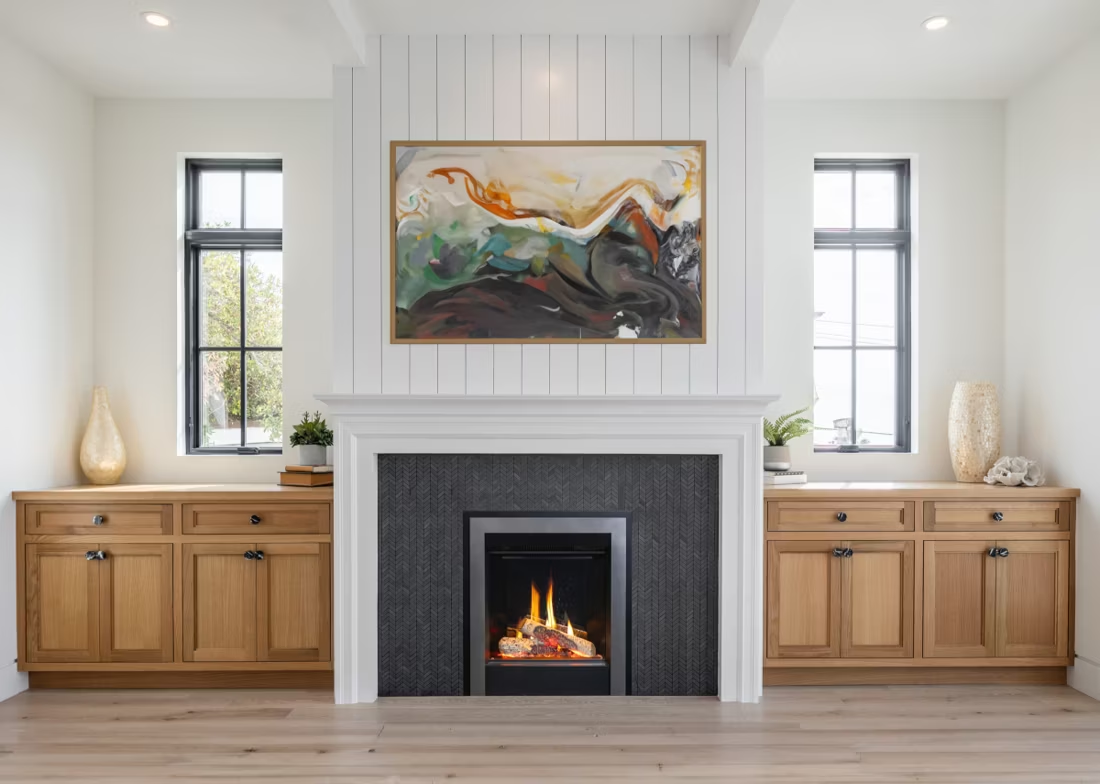
Four fuels. One honest answer for Sonoma County.
Three steps. No salesperson until you're ready.
Tell us about your project
Your zip code, your situation, and the fuel you're leaning toward—or let the answers point you to one.
See what's actually available
The brands dealers within 100 miles genuinely carry—real options, never a catalog mirage.
Get your dealer & Project Guide
A trusted local dealer, plus the free Project Guide & Parts List that names every component of the job.
Frequently Asked Questions
Which fuel works best in Sonoma County?
It depends on the home and what you're solving for. Wood remains popular for ambiance and as backup heat—oak, madrone, and Douglas fir are locally abundant, and a wood stove or fireplace keeps working when PG&E cuts power during a Public Safety Power Shutoff, which happens most falls during high wildfire-risk conditions. Gas is the convenience choice in Santa Rosa, Petaluma, and other PG&E-served areas with natural gas lines—instant heat with no wood handling, though standard gas units still need grid power for the igniter and blower unless you choose a battery-backup or millivolt system. Pellet is the middle ground—cleaner-burning than open wood but still needs electricity to run the auger and fan, which is a real drawback during outages. Electric is supplemental—good for a guest room or apartment, but not a serious heat source and useless in a PSPS blackout. Given how mild Sonoma County winters are (winter lows average around 38°F), many households treat the fireplace as backup and ambiance first, primary heat second.
Do I need a permit to install a fireplace in Sonoma County?
Yes, in most cases. New wood stoves, wood inserts, gas fireplaces, gas inserts, gas stoves, and pellet stoves all require a building permit through Permit Sonoma, the county's permitting and resource management department (or through the relevant city building department if you're within Santa Rosa, Petaluma, Sonoma, Healdsburg, or another incorporated city). Wood-burning appliances must meet current EPA emissions standards to be installed new. Gas installations also need a gas-line permit and licensed gas-fitter for the connection. Electric fireplaces usually skip the permit process unless you're hardwiring a built-in unit into a new circuit. Most local hearth retailers pull the permit as part of the installation, so you're rarely filing the paperwork yourself.
Are there air quality restrictions on wood burning in Sonoma County?
Yes. Sonoma County falls under the Bay Area Air Quality Management District (BAAQMD), which runs a Winter Spare the Air program from November through February. On days when PM2.5 forecasts exceed the threshold, BAAQMD can declare a mandatory no-burn day—it becomes illegal to use a wood-burning fireplace or stove that day, even a certified one, unless it's your home's sole source of heat and you've registered for the exemption. This runs alongside the county's wildfire-smoke reality: Sonoma County is a non-attainment area, and after fires like the 2017 Tubbs Fire and 2019 Kincade Fire, air quality concerns here span both winter wood smoke and fall wildfire smoke. Check BAAQMD's Spare the Air status before lighting a fire on a still winter night.
Can one local hearth retailer handle all four fuel types?
Many can, but coverage varies. Larger multi-fuel dealers around Santa Rosa and Petaluma typically carry wood, gas, and pellet units with working showroom displays, and most also stock at least a few electric fireplace lines. Smaller shops in Sonoma Valley or the Russian River area sometimes specialize—a wood-and-pellet focus for rural properties, or a gas-heavy lineup for tract homes in Rohnert Park and Cotati. If you're cross-shopping fuels, ask upfront which lines a dealer actually stocks and installs rather than assuming a showroom carries everything; the county + fuel pages above list which local retailers cover which fuel.
How does service work in rural parts of Sonoma County?
Most service technicians are based in Santa Rosa or Petaluma and travel out to the Russian River communities (Guerneville, Monte Rio, Duncans Mills), west county (Occidental, Bodega Bay), and the Mayacamas foothills near Kenwood and Glen Ellen. Expect a modest travel fee for the farther calls. Fall is the busiest season locally—homeowners rush to get wood stoves and inserts serviced before the PSPS-and-wildfire-smoke stretch of September through November, so booking a sweep or inspection in summer avoids the backlog. If your property is off the grid or on well power, ask your technician about millivolt or battery-backup ignition systems that keep working during a shutoff.
What's the typical cost range for fireplace installation across all fuel types in Sonoma County?
Ranges run somewhat higher than the national average given Bay Area labor costs. Wood stove or insert installation: roughly $5,000–$10,000 for a typical retrofit, more for new construction requiring a full masonry chimney. Gas fireplace, insert, or stove: about $5,000–$12,000 depending on gas line routing and venting, with conversions on the low end if gas service already reaches the room. Pellet stove or insert: around $5,000–$8,500 installed. Electric fireplace: $300–$3,500 for the unit itself, plus $400–$1,200 in labor for anything beyond a plug-in model—most wall-mount and insert units fall in that range. See the county + fuel pages above for cost detail tied to specific local retailers.
Can I install a fireplace myself?
If you're putting a fire in your house on purpose, it's best to work with an expert. Unless you're genuinely experienced in framing, gas line, vent pipe, and the national code on clearances to combustibles, have a professional do it—and ideally the same company that sells you the fireplace, so warranty, service, and liability all live under one roof.
Can a fireplace actually lower my heating bill?
Yes—by creating a comfort zone. A furnace heats every square foot of the house just to warm the one room you're in; a gas fireplace on low burns roughly a sixth of the gas a typical furnace does. Set the furnace around 55–60 degrees as a baseline, then heat the rooms your family actually uses. Families who heat this way commonly save $20–$60 a month.
Does a fireplace add value to my home?
On average, a fireplace adds back to the home about the same amount you spent installing it. Add the monthly savings from heating the rooms you actually use instead of the whole house—often hundreds of dollars a year—and the value case is strong before you even count what a fire does for how your family uses the room.
I know I want a fireplace—where do I actually start?
Do two things today: snap a photo of the wall or fireplace you want to transform, and take a tape measure to the space—width, height, depth. Those two artifacts answer most of a hearth professional's first questions. Then settle fuel (wood, gas, pellet, or electric) and set a realistic budget: $3,900–$5,500 covers fireplace, vent, and basic install for most homes.
Stove and Fireplace Dealers in Sonoma County
Listings include WhyFire partner dealers, dealers we have verified as authorized for the brands we recommend, and established local businesses that carry hearth products. Every listing shows which one it is. The ones marked Preferred run on WhyFire's software, so they can show you real pricing and book your appointment right here. No manufacturer pays for placement. How we verify dealers →
Sonoma Backyard
Buck Stoves Pools & Spas
Outdora Exceptional Outdoor Living
Villa Terrazza Patio & Home
Green Fireplace Solutions
Napa Valley Hot Tubs
Find your fireplace in Sonoma County.
Pick your fuel below and we'll match you with a trusted local hearth retailer and send a free Project Guide & Parts List—the exact parts, vent kit, and installer recommendation for your Sonoma County home.
Find Your Fireplace →