
Real flame look, zero smoke, for San Rafael homes.
Marin's mild winters and strict air rules make electric an easy, code-simple choice. Find the right unit and get matched with a trusted local dealer.
Every Project Starts From One of These Five Situations
Mild winters, tight air rules, and a natural fit for electric.
San Rafael sits at 481 feet in coastal Marin County, where winter lows average 43°F and the whole heating season is short and mild, with only a light overall heating load. Compare that to Duluth, MN, which has a heating load nearly four times as heavy over a single winter—San Rafael homes simply don't need a serious combustion appliance to stay warm. What most homeowners here actually want is the look and ambiance of a fireplace on the handful of genuinely cold nights, without adding a heating burden to a house that rarely needs one.
Marin County falls under the Bay Area Air Quality Management District, a designated non-attainment area with wildfire smoke concerns most summers and fall. BAAQMD Regulation 6, Rule 3 restricts new wood-burning fireplace installations, and Spare the Air alerts bring mandatory no-burn days most winters—which is a big part of why wood isn't a realistic option for a new install here. Electric sidesteps all of that: no chimney, no venting, no gas line, and no burn-day restrictions. The tradeoff is Pacific Gas & Electric's residential rate, currently around $0.317 per kWh, one of the higher rates in the country—worth knowing before you assume electric heat is automatically cheap to run.
Three steps. No salesperson until you're ready.
Tell us about your project
Your zip code, your situation, and the fuel you're leaning toward—or let the answers point you to one.
See what's actually available
The brands dealers within 100 miles genuinely carry—real options, never a catalog mirage.
Get your dealer & Project Guide
A trusted local dealer, plus the free Project Guide & Parts List that names every component of the job.
Frequently Asked Questions
How much does an electric fireplace installation cost in San Rafael?
Plug-in electric inserts that slide into an existing masonry fireplace opening typically run $600 to $1,800 installed, since there's no venting or gas line to run—just fitting the unit and confirming the outlet or circuit can handle the draw. Built-in wall units or full mantel packages for a remodel run higher, often $1,800 to $4,500, mostly driven by carpentry and any new dedicated 20-amp circuit an electrician needs to add. Either way, it's meaningfully less than a comparable gas conversion in a Marin home, since there's no gas permit or venting inspection involved.
Do I need a permit to install an electric fireplace in San Rafael?
Often not. A plug-in insert that uses an existing outlet typically doesn't trigger a permit. If your installer adds a new dedicated electrical circuit or does any wall modification for a built-in unit, that electrical work falls under the City of San Rafael Building Division, and a licensed electrician should pull the permit as part of the job. There's no combustion appliance inspection, no chimney sign-off, and none of the Spare the Air burn-day paperwork that comes with wood—which is one of the reasons electric is the simplest fireplace project to permit in Marin.
Why don't people just install a wood-burning fireplace in San Rafael?
Marin County sits inside the Bay Area Air Quality Management District's non-attainment area, and BAAQMD Regulation 6, Rule 3 prohibits installing new wood-burning fireplaces or stoves in new construction and most remodels—existing wood fireplaces are grandfathered but face mandatory no-burn days during winter Spare the Air alerts. Combine that with regular wildfire smoke advisories in late summer and fall, and wood simply isn't a practical or, in many cases, legal choice for a new installation here. Homeowners who want the visual of a real fireplace almost always land on electric or a direct-vent gas unit instead.
What does it cost to run an electric fireplace in San Rafael?
Most electric fireplace inserts draw around 1,500 watts on the heat setting. At PG&E's residential rate of roughly $0.317 per kWh, running one for three hours a night costs about $1.42, or roughly $40 a month if used nightly through the cooler months. Since San Rafael's mild climate—winter lows averaging 43°F—means most people use these units for ambiance and occasional supplemental warmth rather than as a primary heat source, actual monthly costs tend to land well below that ceiling for most households.
Electric vs. gas fireplace—which is right for my San Rafael home?
Gas is a standard, well-supported option in San Rafael and delivers more actual heat output if you want a unit that can genuinely warm a room on a cold, foggy Marin evening. Electric costs less to install, requires no gas line or venting, and gives you full control over flame effect independent of heat output—useful in a mild climate where you might want the visual on a warm evening without cranking on a heater. For homes without existing gas service or where a simple retrofit into an old masonry opening is the goal, electric is usually the more straightforward path. For primary supplemental heat in a larger room, gas edges ahead.
What's the best electric fireplace for an existing masonry fireplace in San Rafael?
Insert-style electric units from brands like Dimplex and Napoleon are built specifically to slide into a standard masonry firebox opening, which is common in San Rafael's older Mediterranean and mid-century homes. These units typically include a blower for supplemental heat and LED flame effects that can run independently of the heater. A local dealer can measure your firebox opening and confirm the right insert size—most standard fireplace openings accommodate the common 28-inch to 36-inch insert sizes without any masonry modification.
Can an electric fireplace heat my whole room, or is it just for looks?
Most electric inserts and built-ins are rated to supplement heat in a single room of 400 to 1,000 square feet, not to replace central heating. Given San Rafael's mild climate—average winter lows of 43°F and a short, light heating season overall—that supplemental range covers most living rooms and dens comfortably on cold nights without leaning on the whole-house furnace. If you're hoping to heat a larger open-concept space as a primary source, you'll want to size up or look at a gas alternative instead.
Where can I buy and install an electric fireplace in San Rafael?
I match San Rafael homeowners with a trusted local dealer rather than pointing you toward a big-box store, because the right insert size for your specific firebox opening and the right electrical setup for your home aren't guesswork a warehouse associate can size correctly. A local hearth dealer will confirm firebox dimensions, check whether your existing outlet or circuit can handle the load, and install accordingly—details that matter more than they might seem for a fit that looks right and doesn't trip a breaker.
What about pellet stoves—are those an option in San Rafael?
Not really, and I'll say that plainly: pellet stoves are uncommon in San Rafael's mild coastal climate, and the same BAAQMD air quality restrictions that limit new wood-burning installations make pellet appliances a niche choice at best here. With winter lows averaging 43°F and minimal heating demand, there's little practical case for a combustion pellet appliance when electric delivers the same ambiance without permitting, venting, or Spare the Air complications. If you're drawn to a stove-style look specifically, an electric stove-style unit gives you that aesthetic without the fuel logistics.
Can I put a TV above my fireplace?
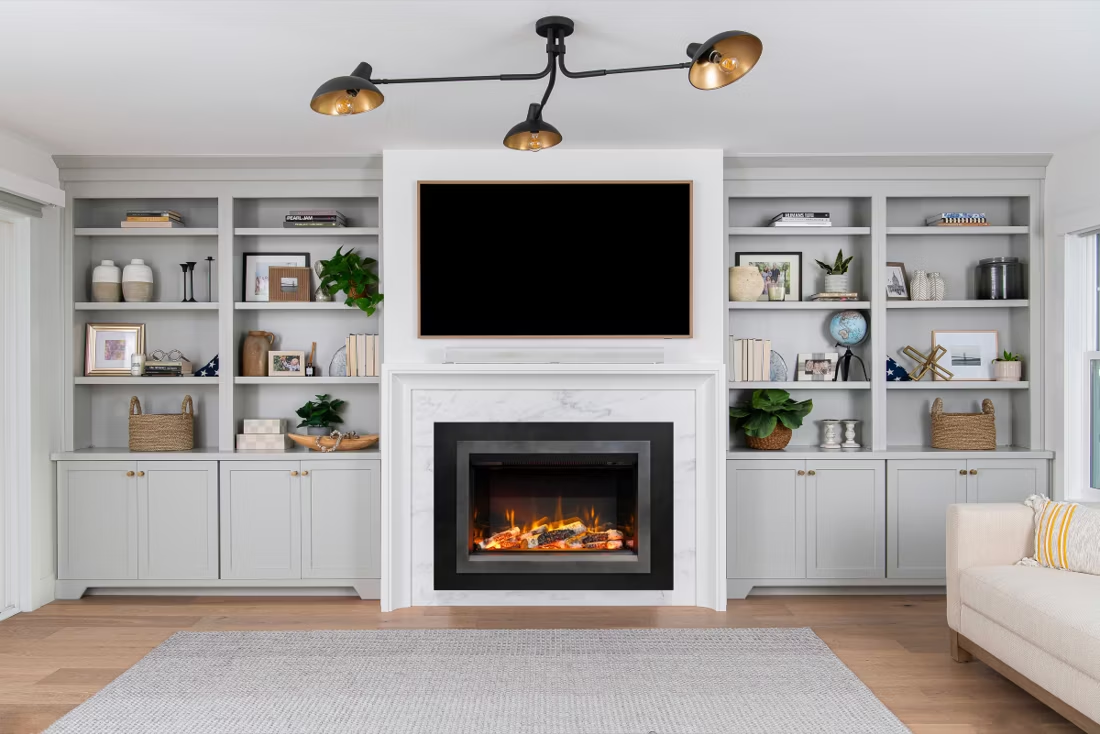
Yes—with an asterisk. Fireplaces are hot and TVs don't like heat. Either put a mantel between them to deflect rising warmth, or choose a fireplace with heat-management technology that creates a cool zone on the wall above—the wall stays around 125 degrees, barely warm, while the room still gets full heat. If you like clean lines and don't want a mantel, heat management is the answer.
Does an electric fireplace need a vent or chimney?
No—that's its superpower. An electric fireplace needs a wall and an outlet, period. No vent pipe, no gas line, no clearances to design around, which is why it works in bedrooms, offices, apartments, and walls where venting a gas or wood unit would be impractical or impossible. Installation is typically the simplest and least expensive of any fireplace type.
Can a fireplace actually lower my heating bill?
Yes—by creating a comfort zone. A furnace heats every square foot of the house just to warm the one room you're in; a gas fireplace on low burns roughly a sixth of the gas a typical furnace does. Set the furnace around 55–60 degrees as a baseline, then heat the rooms your family actually uses. Families who heat this way commonly save $20–$60 a month.
Does a fireplace add value to my home?
On average, a fireplace adds back to the home about the same amount you spent installing it. Add the monthly savings from heating the rooms you actually use instead of the whole house—often hundreds of dollars a year—and the value case is strong before you even count what a fire does for how your family uses the room.
Nearby Dealers
Hearth shops serving San Rafael and the surrounding area.
Electric Service in San Rafael
An electric fireplace's heater draws about 1,500 watts—pennies per hour at local rates.
Pacific Gas & Electric Co.
Find your electric fireplace in San Rafael.
Tell us a bit about your home and we'll send a free Project Guide & Parts List for your San Rafael electric fireplace project—plus a match with a trusted local dealer who can install it right.
Find Your Fireplace →