
Find the right pellet stove for Little River County.
Consistent, low-maintenance heat for the mild winters around Ashdown and Foreman—matched with a trusted local dealer who handles sizing, venting, and permits.
Every Project Starts From One of These Five Situations
Steady warmth, without the woodpile.
Little River County sits in southwest Arkansas' Climate Zone 3A, where winters are short and mild by national standards—an average winter low around 32°F and roughly 2,853 heating degree days per year. That's a fraction of what a place like Bismarck, ND deals with, and it means most homes here don't need a heating appliance running around the clock. A pellet stove fits that reality well: it's a thermostat-controlled, set-it-and-forget-it heat source that can run efficiently on the cool nights and occasional cold snaps common to Ashdown, Foreman, and Wilton without demanding constant attention.
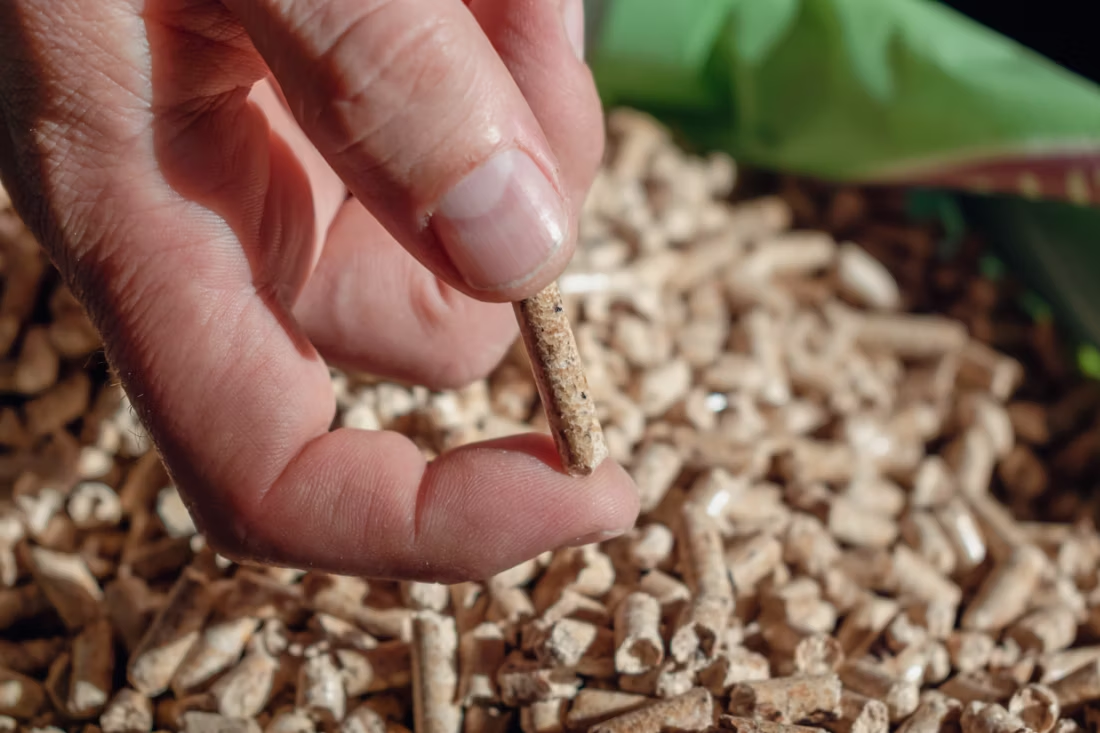
Homeowners in Little River County typically choose pellet over wood for the convenience—no splitting, no stacking, no daily ash hauling—and pellet bags are widely available through regional suppliers like Lignetics and Indeck Energy Services rather than relying on self-cut firewood from local oak, hickory, and pine stands. Because the county has no listed air quality non-attainment concerns, there's no curtailment period to plan around, and a pellet stove's low-emission burn makes it an easy addition to a den, sunroom, or main living area for supplemental heat during the county's shorter, milder heating season.
Three steps. No salesperson until you're ready.
Tell us about your project
Your zip code, your situation, and the fuel you're leaning toward—or let the answers point you to one.
See what's actually available
The brands dealers within 100 miles genuinely carry—real options, never a catalog mirage.
Get your dealer & Project Guide
A trusted local dealer, plus the free Project Guide & Parts List that names every component of the job.
Frequently Asked Questions
How much does a pellet stove installation cost in Little River County?
Pellet stove and insert installations in Little River County typically run in the range most Arkansas hearth dealers quote for standard setups—expect the bulk of your cost to come from the unit itself, with additional charges for venting through an exterior wall (pellet stoves vent horizontally, unlike wood stoves) and any electrical work needed to power the hopper motor and blower. Given the county's mild 3A climate, most homeowners here are sizing for supplemental or zone heat rather than whole-home primary heat, which tends to keep unit size—and cost—on the smaller end compared to colder climates. A local dealer can give you a firm number after seeing your room and existing venting options.
Do I need a chimney for a pellet stove, or can I install one without one?
You don't need an existing chimney. Pellet stoves vent through a small-diameter pipe that typically runs horizontally through an exterior wall, which makes them a good fit for Little River County homes that don't have masonry fireplaces—common in newer construction around Ashdown and Foreman. This also makes pellet a practical option for sunrooms, additions, or garages where running a full chimney isn't feasible. A local dealer will confirm the best wall location and clearance requirements for your specific home.
Will a pellet stove work if the power goes out?
No—pellet stoves rely on electricity to run the hopper auger, ignition, and blower, so they will not operate during a power outage unless you add a battery backup system. This is worth knowing in Little River County, where occasional severe weather can knock out power for a stretch. If backup heat during outages is a priority for your household, a wood stove is the better standalone choice, or you can pair a pellet stove with a small backup generator or battery system sized for its low wattage draw.
What size pellet stove do I need for my home?
Given Little River County's mild winter lows—averaging around 32°F—most homes here do well with a small to medium pellet stove rated for supplemental or zone heating rather than a large whole-home unit. A stove sized for 1,000-1,500 square feet is typically enough to comfortably heat a main living area or den, with central HVAC or existing heating handling the rest of the house. Oversizing is a common mistake in a climate this mild—a stove sized for a much colder region will cycle on and off more than run steadily, which is harder on the igniter and auger over time. A local dealer can size the unit correctly based on your room layout and insulation.
Where can I buy pellets in Little River County?
Pellet fuel is typically sold in 40-pound bags through farm supply stores, hardware stores, and hearth dealers, with regional brands like Lignetics and Indeck Energy Services commonly stocked in this part of Arkansas. Because Little River County's heating season is shorter than colder climates, most homeowners here don't need to stockpile a full winter's supply of pellets in advance—buying a few bags at a time as needed is common. Your local hearth dealer can point you toward the closest reliable supplier and let you know about any seasonal availability issues.
Do I need a permit to install a pellet stove in Little River County?
Most jurisdictions require a building permit for a new pellet stove installation, particularly when it involves cutting a new vent opening through an exterior wall or adding electrical circuits for the unit. Requirements can vary between incorporated areas like Ashdown and unincorporated parts of the county, so it's worth confirming with your local building department before work begins. In practice, most local dealers handle the permitting as part of a full installation, so it's rarely something homeowners have to manage themselves.
How often does a pellet stove need to be cleaned or serviced?
Pellet stoves need more frequent light maintenance than wood stoves but far less heavy cleaning. Plan on emptying the ash pan every few days during regular use, cleaning the burn pot weekly to keep the igniter working properly, and scheduling a full professional cleaning and inspection of the venting and internal components once a year—typically before the start of the heating season. Because Little River County's season is shorter, a single annual service visit is usually sufficient rather than the mid-season cleanings sometimes needed in colder, heavier-use climates.
Pellet stove vs. wood stove—which makes more sense in Little River County?
Wood stoves offer real fire ambiance, work without electricity, and let you take advantage of local oak, hickory, and pine if you have access to a woodlot or want to self-supply fuel. Pellet stoves offer more consistent, thermostat-controlled heat, less daily mess, and easier venting without a masonry chimney—a real advantage for homes without one. Given Little River County's mild 2,853 heating degree days, either fuel can comfortably serve as supplemental heat; the choice usually comes down to whether you value the lower-maintenance convenience of pellets or the self-sufficiency and no-power-needed reliability of wood. Local dealers carry both and can walk you through the tradeoffs for your specific home.
Is a pellet stove worth it in a mild climate like Little River County's?
Yes, for the right use case. With winter lows averaging around 32°F and a shorter heating season than most of the country, a pellet stove in Little River County is best thought of as efficient supplemental or zone heat rather than a full furnace replacement—a way to take the edge off cool mornings in a den or living room without running central heat harder than needed. The thermostat control and clean burn make it a low-hassle option for homeowners who want reliable warmth on the county's colder nights without the daily upkeep of wood. It's a smaller-scale investment than in a place with Duluth-level winters, and dealers here typically size units accordingly.
How often does a pellet stove need cleaning?
A clean pellet stove is a happy pellet stove. Plan on cleaning the burn pot about once a week when you're burning regularly—ash and clinkers gum up the air holes just like a pellet barbecue. Most pellet stove problems trace back to skipped cleaning that nobody explained up front. Some designs make it easy with a trapdoor burn pot: pull a lever and the gunk drops into the ash pan.
Why is my open fireplace making my house colder?
Open fireplaces suck—literally. As the fire burns, it consumes air your furnace already paid to heat and pulls it out through the chimney, so the house is actually colder after the fire goes out than before you lit it. An insert fixes this: it seals the chimney, puts fixed glass across the front, and turns that hole in your house into a real heat source.
What is an in-home preview and do I need one?
It's a visit where a hearth professional measures your space, confirms the model you picked actually works in your home, and walks the specs—framing, gas line, venting, finish work—before anything is ordered. Some details you just can't know until you see the house. Never make a down payment without one; it's the single most-skipped step that burns buyers.
Does a fireplace add value to my home?
On average, a fireplace adds back to the home about the same amount you spent installing it. Add the monthly savings from heating the rooms you actually use instead of the whole house—often hundreds of dollars a year—and the value case is strong before you even count what a fire does for how your family uses the room.
Pellet Brands Stocked Around Little River County
Manufacturers will point you to the nearest stocking dealer.
Get your Little River County pellet stove Project Guide.
Tell us a bit about your home and we'll match you with a trusted local dealer and send over a free Project Guide & Parts List—sized right for Little River County's mild winters, with the vent kit and parts specified.
Find Your Fireplace →