
Bright, low-maintenance heat for Anchorage's dark winters.
With a long, brutal heating season and average winter lows near 6°F, Anchorage homes lean on gas furnaces for whole-house heat—electric fireplaces add zone warmth and light to bedrooms, basements, and condos where venting isn't practical. Find the right unit and connect with a trusted local dealer.
Every Project Starts From One of These Five Situations
Electric fits where wood and pellet don't.
Anchorage sits in climate zone 7—true subarctic—with a long, brutal heating season and winters that average 6°F. Wood is part of the region's history (birch, spruce, and cottonwood grow throughout the Chugach foothills, and Chugach National Forest permits are free for personal cutting from May through September), but wood stoves have fallen out of favor inside the bowl itself. Anchorage sits in a valley prone to winter inversions that trap wood smoke close to the ground, and the Municipality runs an active wood stove change-out program specifically to get older, uncertified stoves out of homes. That's why wood and pellet appliances are essentially off the table for most in-town installations, while electric and gas have become the default.
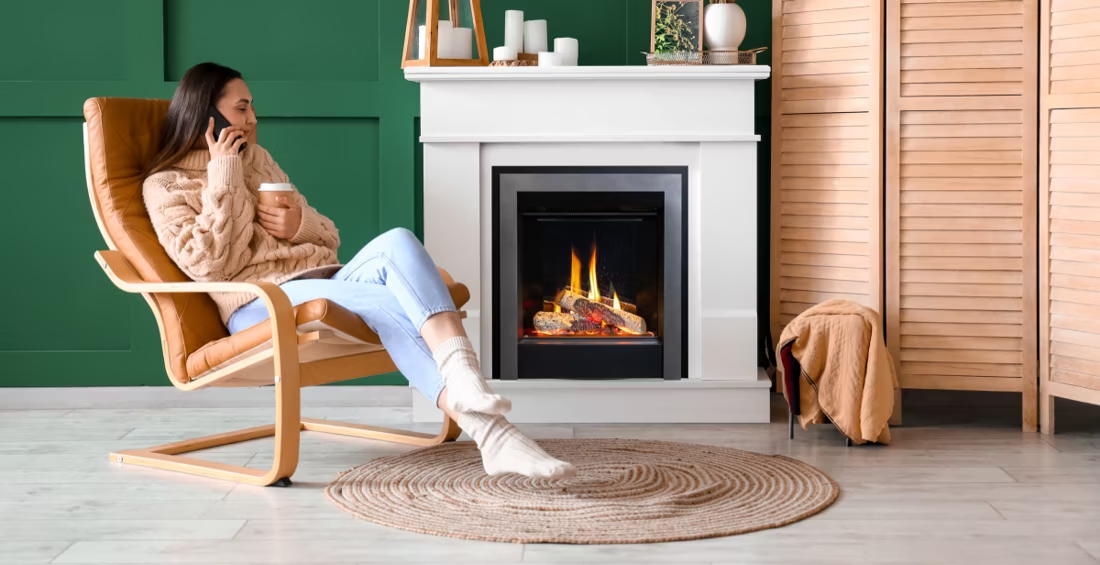
Most Anchorage homes heat primarily with natural gas furnaces served by ENSTAR Natural Gas, so an electric fireplace here typically isn't asked to carry the whole-house load—it's a supplemental or purely decorative addition to a room that already has central heat. That's exactly where electric shines: no chimney, no gas line, no venting through a roof buried in snow for six months. It's a common fit for condos in Midtown and downtown, rental units, basements, and the accessory dwelling units that have become more common as Anchorage's population has grown past 290,000. A $500–$1,400 install gets real, adjustable heat and flame effect without touching the building's combustion appliance permitting.
Three steps. No salesperson until you're ready.
Tell us about your project
Your zip code, your situation, and the fuel you're leaning toward—or let the answers point you to one.
See what's actually available
The brands dealers within 100 miles genuinely carry—real options, never a catalog mirage.
Get your dealer & Project Guide
A trusted local dealer, plus the free Project Guide & Parts List that names every component of the job.
Frequently Asked Questions
How much does an electric fireplace installation cost in Anchorage?
Most electric fireplace installations in Anchorage run $500 to $1,400. A plug-in insert or freestanding unit at the low end needs nothing more than a standard outlet. A built-in or wall-mounted unit that requires a dedicated 120V or 240V circuit run by an electrician sits toward the higher end, especially in older housing stock around Spenard or Mountain View where panel capacity can be limited. There's no venting, gas line, or chimney work involved, which is a big part of why electric costs so much less than the gas or wood options common elsewhere in the borough.
Can an electric fireplace be my main heat source in Anchorage's climate?
No—and any local dealer will tell you the same. With a long, brutal heating season and average winter lows around 6°F, electric fireplaces don't have the output to carry a home through an Anchorage winter. They're built for zone heat: warming a single room, taking the edge off a chilly bedroom, or adding ambiance to a living room that's already served by a gas furnace. The vast majority of Anchorage homes rely on natural gas forced-air heat through ENSTAR service for their primary heating load, with the electric unit doing supplemental duty.
Is an electric fireplace a good replacement for an old wood stove?
For many Anchorage homeowners, yes. The Municipality's wood stove change-out program exists partly because older, uncertified stoves contribute to the winter inversion smoke that settles over the bowl, and a lot of people participating in that program want to keep some kind of fire feature without adding back into the air quality problem. An electric insert can drop into the same fireplace opening a wood stove came out of, with none of the emissions, ash, or chimney maintenance—though it won't provide backup heat during a power outage the way a wood stove could.
Do I need a permit to install an electric fireplace in Anchorage?
It depends on the unit. A plug-in electric fireplace or insert that uses an existing outlet generally doesn't require a permit. A hardwired unit—anything needing a new dedicated circuit or panel work—needs an electrical permit through the Municipality of Anchorage Building Safety Division, and the wiring should be done by a licensed electrician. Most hearth retailers coordinate this as part of the install so you're not left tracking down the paperwork yourself.
Where do electric fireplaces work best in Anchorage housing?
Because there's no venting or gas line to run, electric units go almost anywhere: condos and apartments downtown and in Midtown, rental properties where landlords won't allow open-flame appliances, basements and daylight-basement additions common in South Anchorage, and the accessory dwelling units that have become more common as the municipality's population has grown past 290,000. They're also a frequent choice in military housing near JBER, where tenants want warmth and ambiance without altering the building's heating system.
What types of electric fireplaces are available?
Local dealers typically carry electric inserts (sized to drop into an existing fireplace opening), wall-mounted linear units, mantel-style freestanding fireplaces, and built-in models designed for new construction or remodels. Flame effect quality and heat output vary significantly between price points—the better units use LED-driven flame technology and separate the heater function from the flame display, so you can run the visual effect without the heat during Anchorage's brief but real summer.
Will my electric fireplace work during a power outage?
No. Electric fireplaces run entirely on household power, so they shut down the moment the grid does—a real consideration in Anchorage, where winter windstorms and heavy snow loads periodically knock out power for hours. If backup heat during an outage matters to you, a gas fireplace with battery-backed ignition or a generator plan for your furnace is a more reliable answer; the electric unit should be thought of as everyday ambiance and zone heat, not storm preparedness.
What should I look for in an electric fireplace for supplemental heat?
Look at rated heat output in BTUs (most units top out around 5,000 BTU, enough for a single room, not a whole floor), a thermostat with a built-in overheat shut-off, and—if you want to actually feel the heat rather than just see the flame—a model with a real fan-forced or infrared heater rather than a pure light-and-mirror display unit. In a climate as cold as Anchorage's, a fireplace that's flame-only with no meaningful heat output is really a decorative purchase, which is a fine choice too, but worth knowing going in.
Electric vs. gas fireplace—which is right for my Anchorage home?
Gas, served through ENSTAR's natural gas network, delivers real supplemental heat output, can run during a power outage on models with battery-backed ignition, and suits homes where you want a fireplace that can genuinely help with a heating bill. Electric costs far less to install, needs no venting or gas line, and works in condos and rentals where gas isn't an option or isn't allowed. For most Anchorage homes with existing gas furnace service, gas is the stronger choice for a primary living space, while electric is the practical answer for secondary rooms, rentals, and anywhere permitting or building rules rule out combustion appliances.
Can I put a TV above my fireplace?
Yes—with an asterisk. Fireplaces are hot and TVs don't like heat. Either put a mantel between them to deflect rising warmth, or choose a fireplace with heat-management technology that creates a cool zone on the wall above—the wall stays around 125 degrees, barely warm, while the room still gets full heat. If you like clean lines and don't want a mantel, heat management is the answer.
Do electric fireplaces actually produce heat?
Yes—most put out around 4,800–5,000 BTUs from a standard outlet, which comfortably warms a bedroom, office, or den as a comfort-zone heater. What they won't do is carry a whole house the way wood, gas, or pellet can. Think of electric as ambiance-first with honest supplemental heat: flames on with no heat in July, flames plus warmth in January.
How much should I budget for a fireplace?
For an average home—covering the fireplace, the vent pipe, and basic installation—a budget between $3,900 and $5,500 gives you a lot of options across wood, gas, and pellet. By the time you add finish work, gas line, and electrical, the average complete installation lands between $5,000 and $12,000 all-in. In a remodel or new build, a good rule is to put about 2.5% of the total project cost toward the fireplace.
What is an in-home preview and do I need one?
It's a visit where a hearth professional measures your space, confirms the model you picked actually works in your home, and walks the specs—framing, gas line, venting, finish work—before anything is ordered. Some details you just can't know until you see the house. Never make a down payment without one; it's the single most-skipped step that burns buyers.
Stove and Fireplace Dealers in Anchorage County
Listings include WhyFire partner dealers, dealers we have verified as authorized for the brands we recommend, and established local businesses that carry hearth products. Every listing shows which one it is. The ones marked Preferred run on WhyFire's software, so they can show you real pricing and book your appointment right here. No manufacturer pays for placement. How we verify dealers →
Moore Heating & Air Cond
Alaska Stove & Fireplace
Central Plumbing & Htng - Ak
Electric Service in Anchorage County
An electric fireplace's heater draws about 1,500 watts—pennies per hour at local rates.
Chugach Electric Association
Find your electric fireplace in Anchorage.
Tell us a bit about your home and we'll put together a free Project Guide & Parts List—the right electric fireplace or insert for your space, the exact parts list, and a trusted local Anchorage dealer to install it.
Find Your Fireplace →