
Pellet Stoves Play a Niche Role in La Crosse Homes.
In a river city built on natural gas and electric heat, pellet stoves serve a smaller but real purpose—supplemental warmth for additions, workshops, and homes without a chimney suited to a wood fire.
Every Project Starts From One of These Five Situations
In La Crosse, pellet heat is the exception, not the default.
La Crosse sits along the Mississippi River in Wisconsin's Driftless Region at just 636 feet of elevation, but its winters are anything but mild—average lows dip to 8°F and the city has a long, demanding heating season each year, placing it solidly in climate zone 6A. Despite cold like that, pellet stoves haven't caught on here the way they have in more rural pockets of the Upper Midwest. Most La Crosse homeowners heat with municipal natural gas or electric service from Northern States Power, and the city's dense mix of century-old bungalows, duplexes, and newer bluff-top subdivisions doesn't lend itself to solid-fuel retrofits the way freestanding farmhouses do.
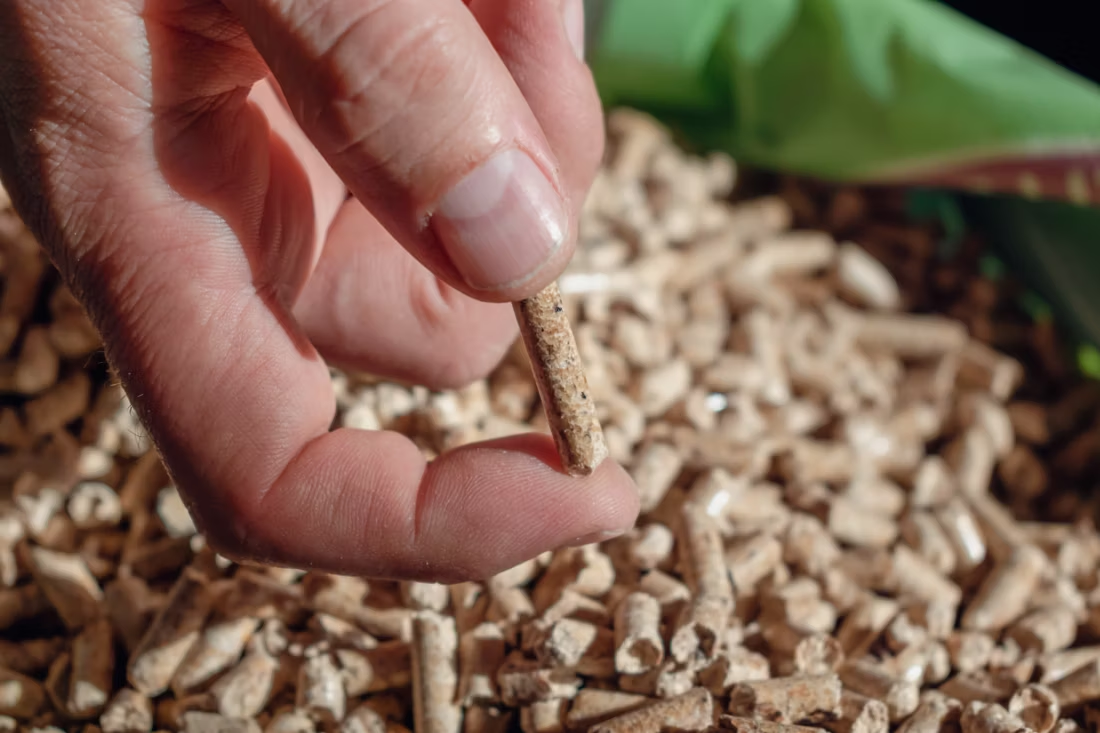
That doesn't mean pellet heat is off the table—it means it's a deliberate, supplemental choice rather than a default one. Homeowners who add a pellet stove in La Crosse are usually heating a three-season room, a finished basement, or a detached garage where extending ductwork isn't practical, or they simply prefer the auto-feed convenience and steady flame of a pellet appliance over hauling and stacking cordwood. Fuel supply isn't the obstacle: Wisconsin is pellet country, with producers like Somerset Pellet Fuel, Lignetics, and Indeck Energy Services all manufacturing within the region, so bagged pellets are easy to source even though the appliances themselves are a smaller slice of the local hearth market.
Three steps. No salesperson until you're ready.
Tell us about your project
Your zip code, your situation, and the fuel you're leaning toward—or let the answers point you to one.
See what's actually available
The brands dealers within 100 miles genuinely carry—real options, never a catalog mirage.
Get your dealer & Project Guide
A trusted local dealer, plus the free Project Guide & Parts List that names every component of the job.
Frequently Asked Questions
Are pellet stoves a common choice for La Crosse homes?
Not really—and that's worth saying plainly. Between the city's municipal natural gas service and Northern States Power's electric grid, most La Crosse homeowners solve their heating needs without ever considering a solid-fuel appliance. Pellet stoves show up in a minority of homes, typically as a deliberate supplemental-heat choice rather than a primary system. If you're drawn to the look and feel of a real flame with less daily maintenance than cordwood, a pellet stove can still be a smart fit—you'll just be part of a smaller group of local buyers than someone shopping for a gas insert.
Where do pellet stove owners in La Crosse actually source their fuel?
Wisconsin has real pellet manufacturing capacity nearby, which helps. Somerset Pellet Fuel produces bagged pellets out of western Wisconsin, Lignetics distributes nationally with strong Upper Midwest coverage, and Indeck Energy Services runs pellet operations serving the broader region. Farm supply stores and hardware retailers around La Crosse often stock pellets seasonally to serve the surrounding rural parts of La Crosse County, so even though pellet stoves are uncommon inside city limits, finding fuel for one isn't the hard part.
If pellet stoves aren't common here, why would I install one?
Usually it comes down to a specific need a gas or electric unit doesn't solve as well. A pellet stove gives you real, radiant combustion heat with an auto-feed hopper—no daily wood loading, but still a visible flame and genuine BTU output. That makes it a good match for a detached garage, a three-season porch, or an older La Crosse home with a masonry chimney that's structurally sound but not ideal for an open wood fire. Keep in mind pellet stoves need electricity to run the auger and blower, so unlike a wood stove, they won't function as backup heat during a power outage—an important tradeoff for a river town that does see occasional winter storm outages.
Is my La Crosse home a good candidate for a pellet stove?
It depends on the housing type. Many La Crosse neighborhoods near downtown and the river are built up with older duplexes and narrow-lot bungalows where exterior wall space and clearance can be tight—a pellet stove's smaller PL-vent pipe (typically 3 or 4 inches) actually works in its favor here compared to the full masonry chimney a wood stove would need. Homes on the bluffs and in newer subdivisions with more room around an exterior wall are usually the easiest retrofits. A local hearth dealer can walk your specific floor plan and tell you within minutes whether direct venting is straightforward or a bigger job.
How does a pellet stove compare to a wood stove for La Crosse's climate?
Cordwood availability isn't the issue—the Driftless Region surrounding La Crosse is heavy with oak, maple, birch, and aspen. But like pellet stoves, wood stoves aren't a mainstream choice inside La Crosse city limits; the same housing density and gas/electric infrastructure that push most homeowners toward conventional heat applies to both solid fuels. Where the two differ: a wood stove can run without electricity, which matters during outages, while a pellet stove offers a more consistent, hands-off burn without splitting or stacking cordwood. For most La Crosse homeowners weighing the two, the choice comes down to whether off-grid function or daily convenience matters more.
Do I need a permit to install a pellet stove in La Crosse?
Yes. Any new solid-fuel or pellet-burning appliance typically requires a permit through the City of La Crosse Building Inspection Division, which reviews vent clearances, hearth pad specifications, and manufacturer installation requirements before signing off. Because pellet installations are less common here than gas conversions, it's worth working with a dealer who's pulled pellet-specific permits in the city before—the inspection points differ slightly from what a typical gas installer deals with.
How does the cost of running a pellet stove compare to electric heat here?
Northern States Power bills La Crosse residential customers around 15.83 cents per kWh, a reasonably average Midwest rate—fine for zone heating with an electric fireplace but expensive if you tried to lean on electric resistance heat as a primary source through a full Wisconsin winter. Pellet fuel costs fluctuate with regional supply, but having producers like Somerset Pellet Fuel and Indeck Energy Services within the state helps buffer La Crosse buyers from the price spikes that hit areas that truck pellets in from farther away. A local dealer can give you current per-ton pricing and help you estimate seasonal fuel needs based on your square footage.
Should I choose pellet or gas for supplemental heat in La Crosse?
For most La Crosse homes already connected to municipal natural gas, a gas insert or freestanding gas stove is the simpler path—no fuel storage, no hopper to refill, and instant on-off operation. Pellet makes more sense if you want the look and radiant feel of an actual combustion flame, you're heating a space without an easy gas line run (a detached garage or an addition on the far side of the house), or you'd rather not add another gas appliance to the home. Both are legitimate supplemental-heat choices in La Crosse; gas is just the far more common one.
What should I expect when working with a local dealer on a pellet stove project?
Because pellet stoves are a smaller part of the La Crosse hearth market, it's worth confirming a dealer has actually installed and serviced them before—not every gas-focused retailer stocks pellet parts or knows the auger and igniter systems well. A good local dealer will size the unit to your specific space, confirm the vent path works with your exterior wall, pull the required City of La Crosse permit, and walk you through the maintenance routine—regular ash removal and an annual professional cleaning—that keeps a pellet stove running reliably through a full Wisconsin heating season.
Why is a fireplace insert so efficient?
An insert does two things: it seals the chimney completely, so you stop losing air you already paid to heat, and it radiates warmth into the room through the firebox and glass. Most add a heat-exchange fan that pulls cool room air underneath, wraps it around the hot firebox, and pushes it back out warm. Your home is more efficient before you've even lit the first fire.
How often does a pellet stove need cleaning?
A clean pellet stove is a happy pellet stove. Plan on cleaning the burn pot about once a week when you're burning regularly—ash and clinkers gum up the air holes just like a pellet barbecue. Most pellet stove problems trace back to skipped cleaning that nobody explained up front. Some designs make it easy with a trapdoor burn pot: pull a lever and the gunk drops into the ash pan.
How much should I budget for a fireplace?
For an average home—covering the fireplace, the vent pipe, and basic installation—a budget between $3,900 and $5,500 gives you a lot of options across wood, gas, and pellet. By the time you add finish work, gas line, and electrical, the average complete installation lands between $5,000 and $12,000 all-in. In a remodel or new build, a good rule is to put about 2.5% of the total project cost toward the fireplace.
Does a fireplace add value to my home?
On average, a fireplace adds back to the home about the same amount you spent installing it. Add the monthly savings from heating the rooms you actually use instead of the whole house—often hundreds of dollars a year—and the value case is strong before you even count what a fire does for how your family uses the room.
Nearby Dealers
Hearth shops serving La Crosse and the surrounding area.
Pellet Brands Stocked Around La Crosse
Manufacturers will point you to the nearest stocking dealer.
Find your pellet stove option in La Crosse.
Tell us about your space and we'll match you with a trusted local dealer experienced in pellet installations, plus a free Project Guide & Parts List with the exact parts—including the vent kit—your La Crosse project needs.
Find Your Fireplace →